Indica, Sativa, Hybrid: What Cannabis Labels Really Tell You in Chiang Mai
Walk into almost any dispensary in Chiang Mai and the menu will sort flower into three neat boxes: indica, sativa and hybrid. They are the first words most visitors learn, and they are also some of the most misunderstood. This guide explains where the labels come from, what they can usefully tell you, and where they fall short, so you can have a better conversation at the counter. It is written for adults aged 20 and over who are visiting or living in Thailand.
Where the Words Come From
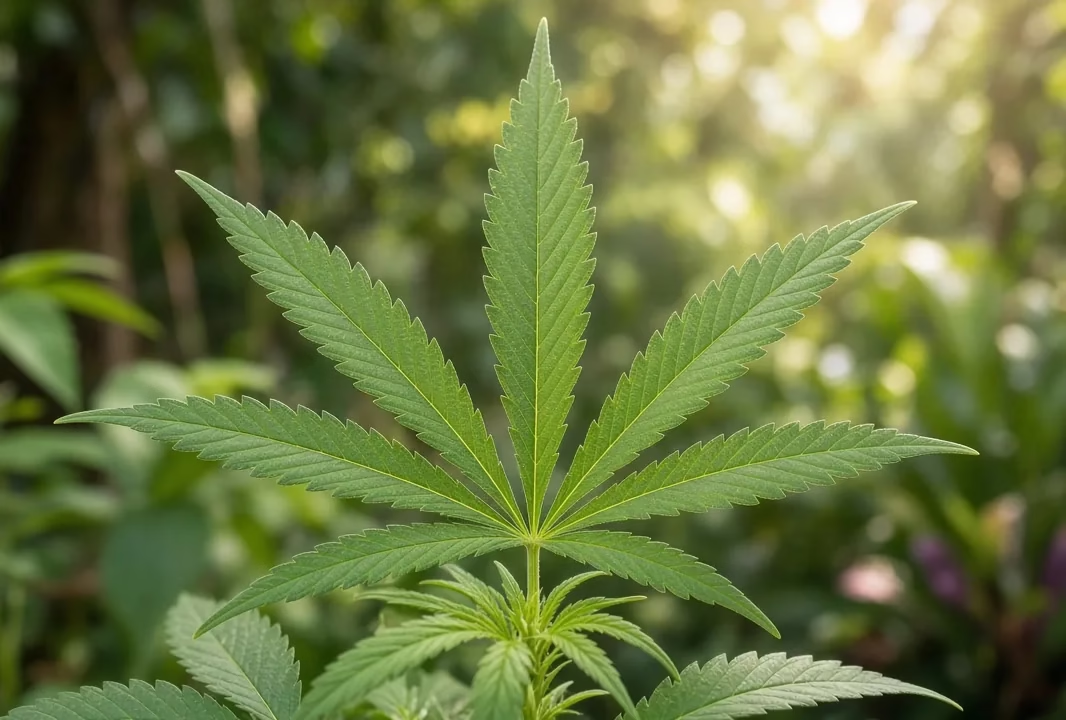
Narrow sativa-type and broad indica-type leaves: the terms began as botany, not effects.
“Indica” and “sativa” started as botanical terms. Eighteenth-century botanists used them to describe cannabis plants that looked different. Sativa plants were generally tall with narrow leaves, while indica plants were shorter and bushier, with broad leaves.
Those descriptions were about how the plant grows, not about how a product feels. Over decades of crossbreeding, almost every plant on a modern menu has mixed ancestry. That is why so much of what you see today is labelled “hybrid”, and why even a strain sold as pure indica or pure sativa usually has a family tree that includes both.
What the Labels Can Tell You
The labels are not useless. Used carefully, they give you a few real clues:
Lineage and growing style. A label hints at a strain’s family history and how the plant tends to grow, which matters to cultivators and to people who enjoy the botany.
Appearance. Indica-leaning flower is often described as dense and chunky, while sativa-leaning flower can look longer and airier. These are tendencies, not rules.
A shared vocabulary. The words give you and the budtender a starting point. If you liked something you tried before, telling staff its label and name helps them understand what you are describing.
What the Labels Don’t Tell You
This is where many visitors get caught out. You may hear the shorthand that indica means “relaxed” and sativa means “energetic”. It is a popular idea, but the label alone is not a reliable predictor of how any product will feel to you, and we don’t make promises about effects.
Things the label leaves out include:
Cannabinoid content. The amounts of THC, CBD and minor cannabinoids (see our guide to reading cannabinoid ratios on Thai menus) vary widely within each category. Two “sativas” can be completely different.
Terpenes. These aromatic compounds called terpenes give each strain its smell, whether that is citrus, pine, pepper or something sweet. They differ from batch to batch, and no label captures them.
Growing and handling. Freshness, curing and storage all change what ends up in the jar.
You. Tolerance, experience, what you ate, and how tired you are all play a part. That is why moderation matters more than any label.
Better Questions to Ask at the Counter
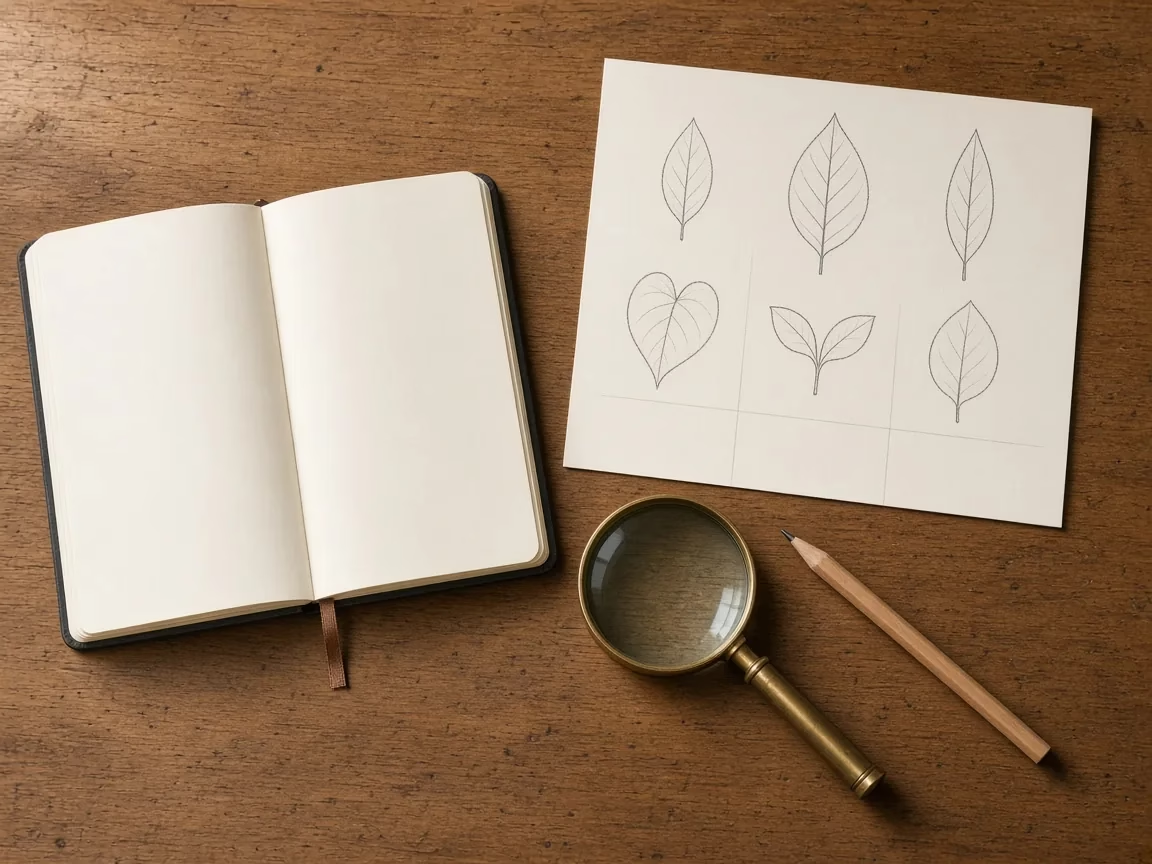
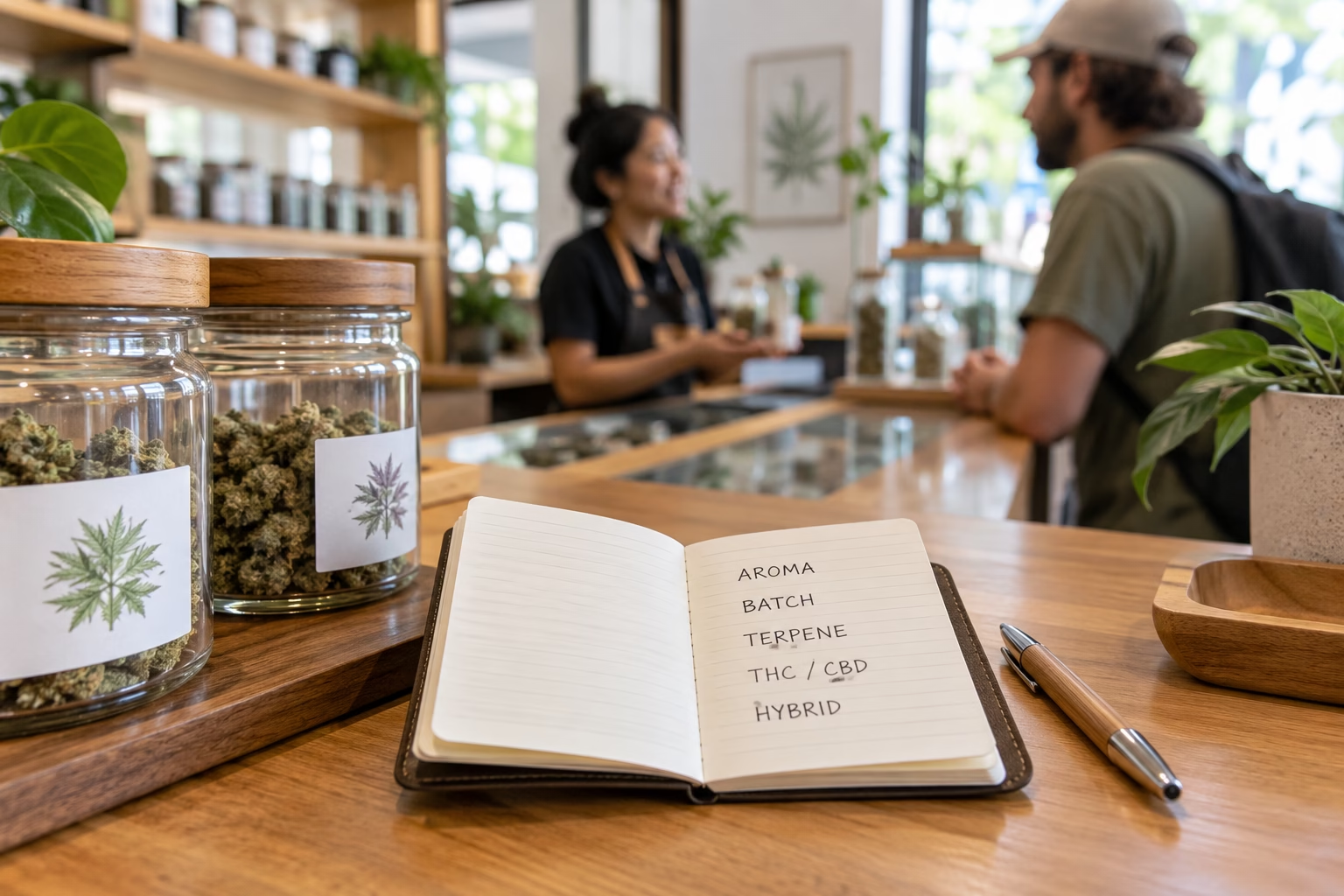
Take your questions with you: lineage, aroma and lab details matter more than one word on a label.
Instead of asking “Is this indica or sativa?”, try these:
Understanding labels is part of being a responsible visitor. So is knowing the basics:
Adults only. Cannabis shops in Thailand serve adults aged 20 and over. Bring identification, because staff may ask to see it.
Keep it private. Don’t smoke in public spaces, near temples, at markets or anywhere smoking would bother other people. Check your accommodation’s rules too, as many hotels don’t allow it.
Never ride or drive after use. Chiang Mai is a scooter city, but riding after using cannabis is dangerous and can get you into serious trouble. Walk, or book a car instead.
It stays in Thailand. Never try to take cannabis products out of the country, in your luggage or anywhere else. Taking cannabis across borders can carry severe penalties in Thailand and at your destination.
Rules in Thailand have changed over the past few years and may change again. If you are unsure about anything, ask our staff or check the current official guidance before you buy.
The Takeaway
Indica, sativa and hybrid are useful starting words, but they are not a menu of guaranteed experiences. Treat them as one clue among many, alongside aroma, lineage, lab information and honest advice from the person behind the counter. Above all, take it easy, especially if you are new.
The easiest way to learn is to talk to someone who handles these products every day. Drop in to a Haze Buds shop in Chiang Mai, at Sunday Walking Street, Chiang Mai Gate or the Night Bazaar, and ask our team to walk you through the menu. Bring your ID, take your time, and ask as many questions as you like. There is no pressure to buy.