How to Read Cannabinoid Ratios on Thai Dispensary Menus (2026)
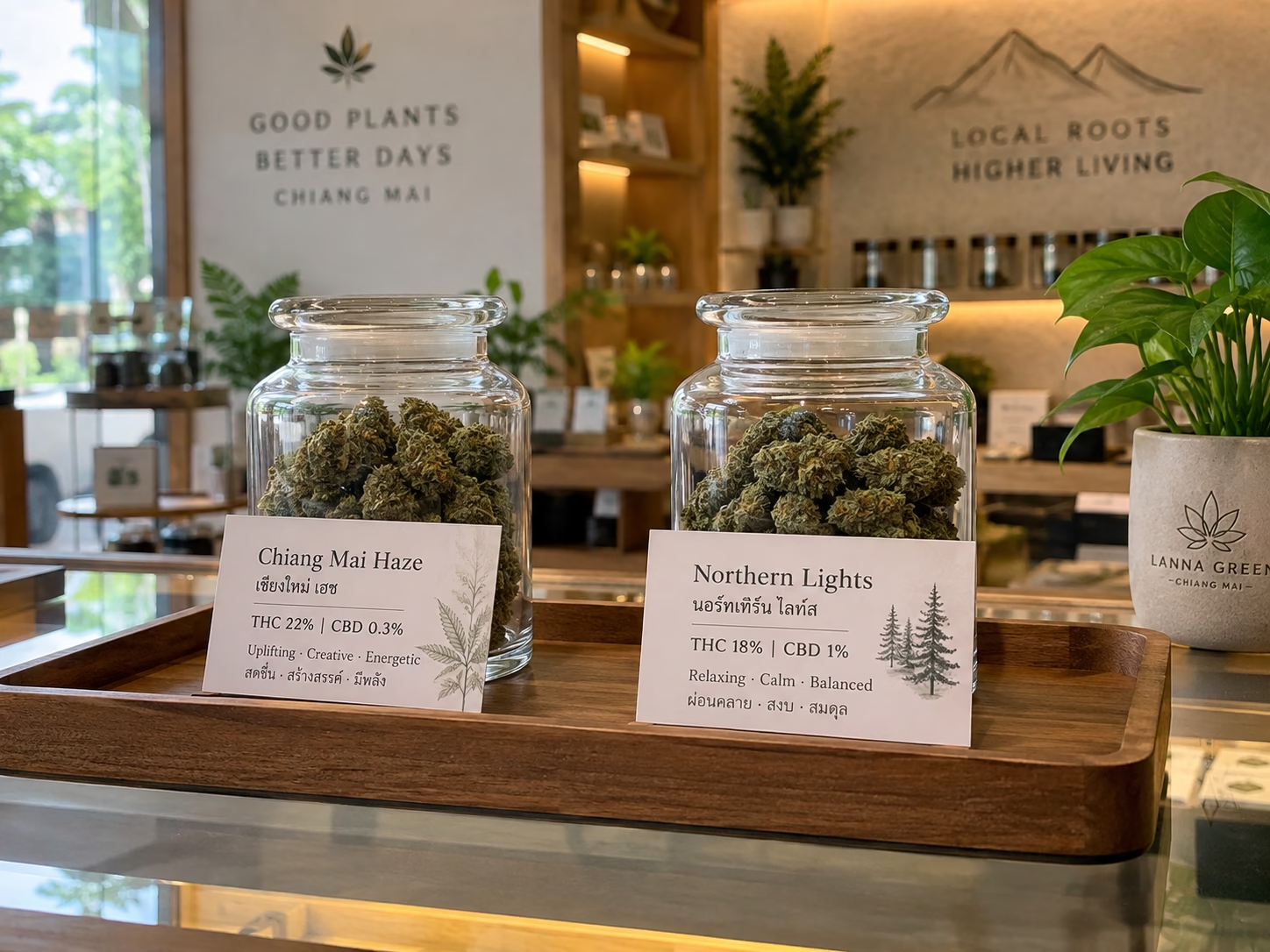
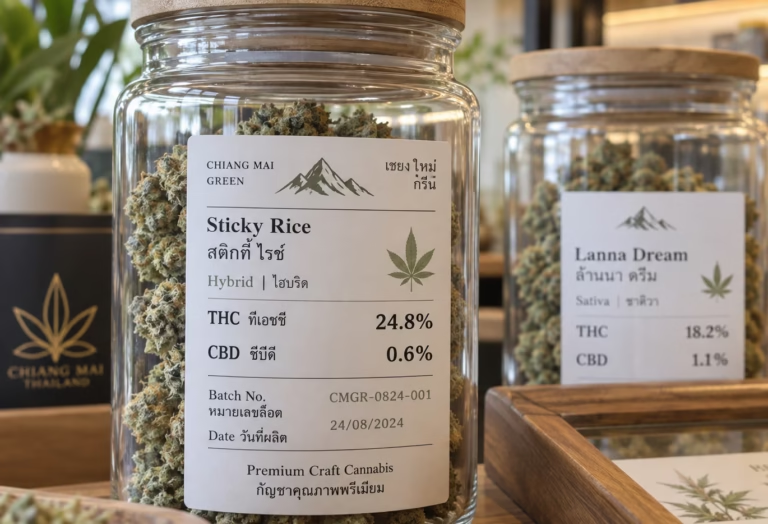
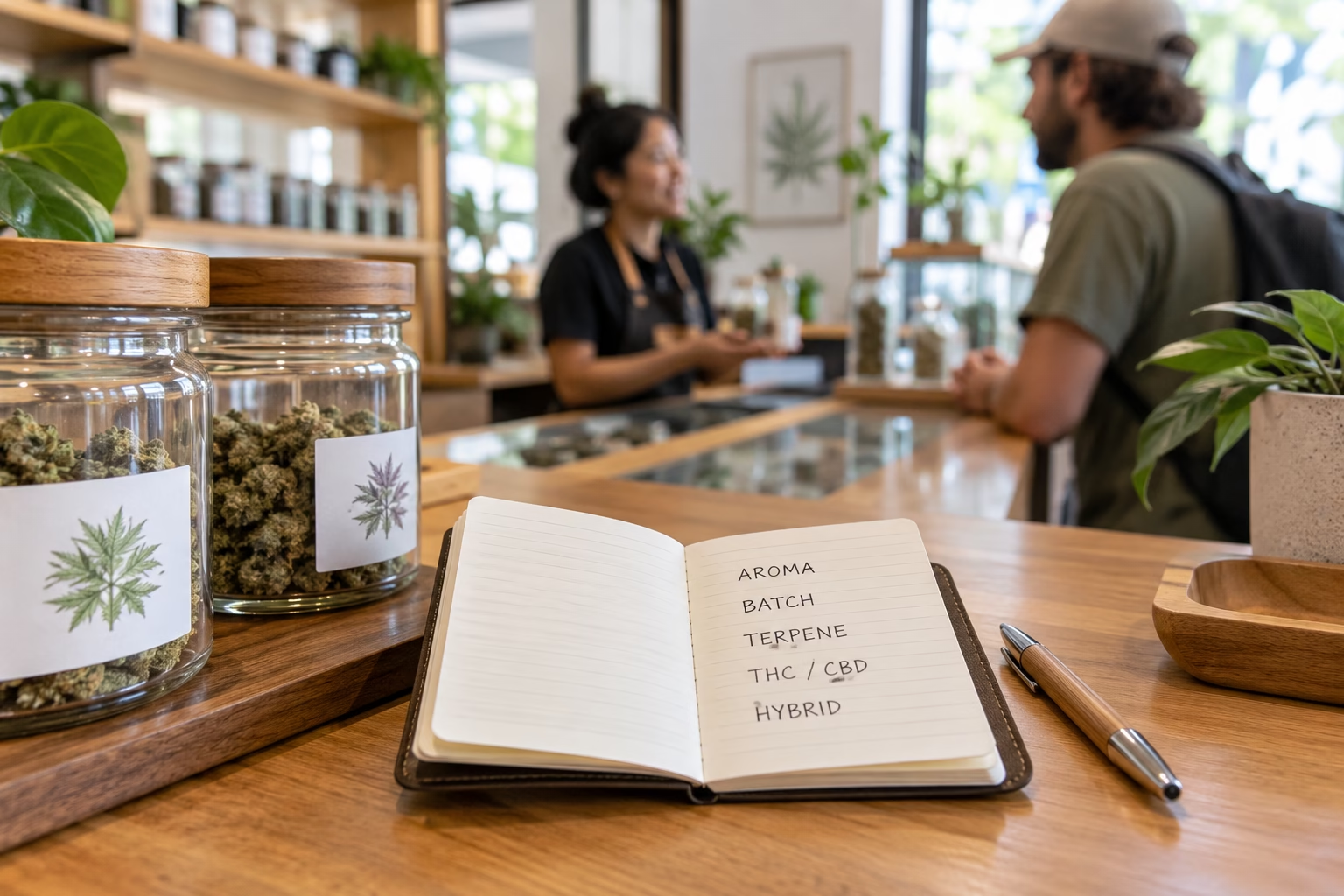
A Thai dispensary menu can look like a wine list written in code. Names change. Percentages sit next to each other. One jar says “THC 24% / CBD 0%.” Another says “THC 8% / CBD 8%.” A CBD bottle may list “THC < 0.2%.”
Those figures are cannabinoid ratios. They describe how much of the two best-known compounds is in that batch — not a promise of how you will feel, and not a substitute for a consultation.
This guide is for visitors reading a licensed menu in Chiang Mai. It explains the print on the jar, the three ratio patterns you will see most often, and what the numbers cannot tell you.
Important disclaimer: This article is educational only. It is not medical or legal advice. Under Thailand’s 2026 rules, cannabis flower and higher-THC products are sold only through licensed dispensaries to adults 20+ who hold a valid Thai-issued PT33 prescription. Effects vary. Start with a small amount, use only in private spaces your accommodation allows, and never drive after consumption.
Why ratios matter more than a strain nickname
Strain names are marketing shorthand. The same name can be grown by different farms and test at different strengths.
The ratio is batch data. It answers a narrower question: in this jar, how do THC and CBD sit next to each other?
That is useful when you are new to Thai menus, traveling for a short stay, or comparing two options that smell similar. It is not a personality test and it is not a treatment plan.
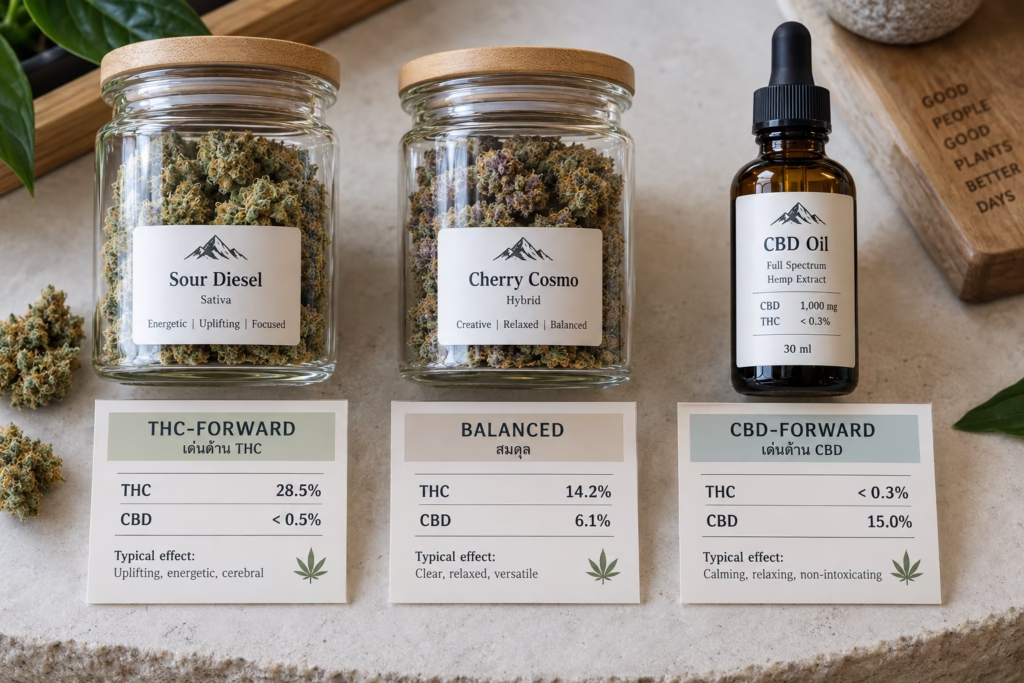
THC-forward (high THC, little or no CBD)
Typical print: a THC percentage in the mid-to-high teens or above, with CBD listed at 0% or as a trace.
These items are the ones most visitors notice first. The number does not mean “better.” It only means THC is the dominant listed cannabinoid in that test.
THC-forward flower and many high-THC products require a valid PT33 before purchase.
Balanced (THC and CBD both listed in meaningful amounts)
Typical print: both numbers are visible and neither is a token 0%. You might see pairings such as 1:1, or a modest THC figure next to a similar CBD figure.
Balanced labels are easy to miss if you only scan for the biggest THC digit. Read both columns.
CBD-forward (CBD is the main number; THC stays very low)
Typical print: a clear CBD milligram or percentage figure, with THC under Thailand’s 0.2% wellness threshold on many oils, balms, and some edibles.
Low-THC CBD products often sit in a different part of the shelf. Rules can differ from flower. Ask staff which items still need a PT33 and which do not.
How Thai menus usually print the numbers
Expect some mix of the following on a licensed counter:
THC % and CBD % on flower jars
mg per piece or mg per bottle on edibles and oils
A batch or test date next to the percentages
English, Thai, or both
Percentages on flower describe concentration in that tested sample. Milligrams on an edible describe the amount in a serving or in the whole pack. Do not treat “24%” and “24 mg” as the same thing.
If a number is missing, ask. A complete label is part of buying from a licensed shop.
What the numbers do not tell you
A ratio is not:
A guarantee of how strong the experience will feel for you
A medical indication or approved condition list
A freshness score (look at pack and test dates for that)
Permission to use the product in public, on transport, or before driving
Terpenes, your last meal, sleep, heat, and how the product is consumed all change the experience. Two people can read the same 1:1 label and report different effects. That is why “start low and go slow” is a timing rule, not a slogan.
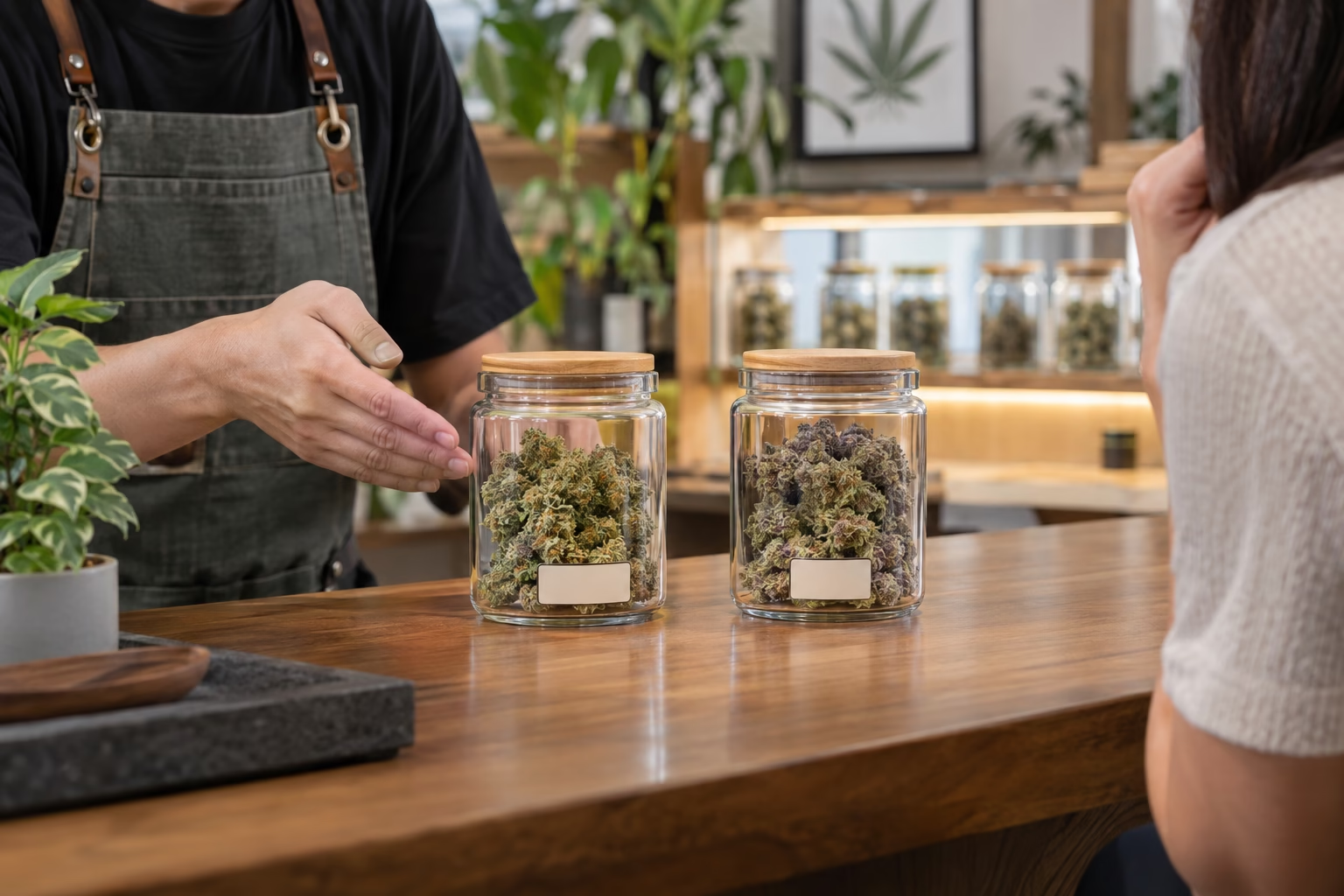
A simple way to read two jars side by side
When you are undecided:
Read THC and CBD on both labels, not only the larger font.
Check whether the second number is 0%, a trace, or a real counterpart.
Note the units — % on flower, mg on many processed products.
Look at the test or pack date.
Say out loud what you want from the visit (lighter, more noticeable, CBD-led). Staff can point to the matching ratio group without pushing the highest THC figure.
If the two options are both THC-forward and only two points apart, the ratio is not a useful tie-breaker. Smell, structure, and your prescribed amount matter more in that case.
Legal context for visitors in 2026
For flower and higher-THC products in Thailand you should expect:
Age 20 or over, passport as ID
A Thai-issued PT33 after a practitioner consultation
Purchase only at a licensed dispensary
A receipt kept with the prescription
Use only in private spaces the property allows
Home-country cannabis cards do not replace a PT33. Recreational sale without a prescription is not the legal path.
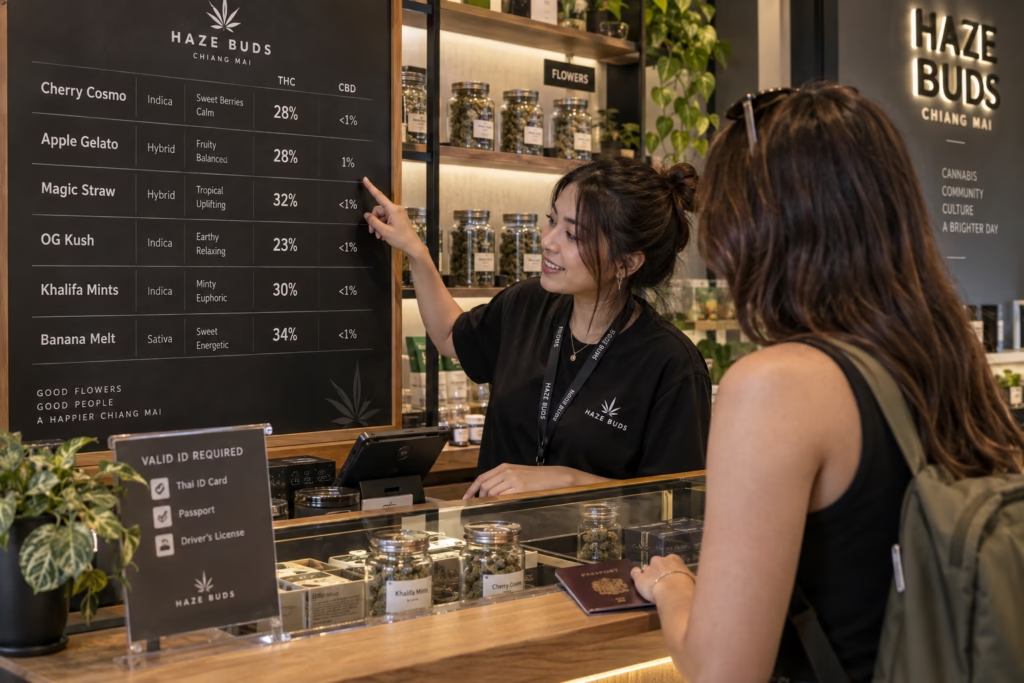
Haze Buds Chiang Mai offers on-site consultations at its licensed branches so visitors can complete the required steps in one visit when a practitioner approves a prescription.
How Haze Buds walks you through the menu
The three Chiang Mai locations use the same reading habit:
Old Town (Sunday Walking Street) — useful if you are already inside the moat and want the menu explained before an evening in your lodging.
Chiang Mai Gate — practical before or after Saturday Walking Street, with the same ratio conversation at the counter.
Sridonchai — convenient near the Night Bazaar and river hotels.
Staff are asked to explain the printed ratio first, then aroma and format (flower, pre-roll, edible, oil). The aim is a clear purchase inside your prescription window — not a larger bag than you need for a short stay.