Exploring Cannabis Strains Commonly Associated with Relaxation
Introduction: The Botany of Calm
When individuals investigate cannabis strains for relaxation, they are engaging with a complex intersection of organic chemistry and human physiology. In the 2026 scientific landscape, the term “relaxation” is no longer just a marketing buzzword; it refers to the interaction between specific plant compounds—cannabinoids and terpenes—and the body’s endocannabinoid system (ECS).
Understanding which strains are associated with a calming effect requires looking past colorful names and focusing on the “chemotype” of the plant. This guide provides an educational exploration of the biological markers that define these sedative botanical profiles.
1. Beyond Sativa and Indica: The Chemical Shift
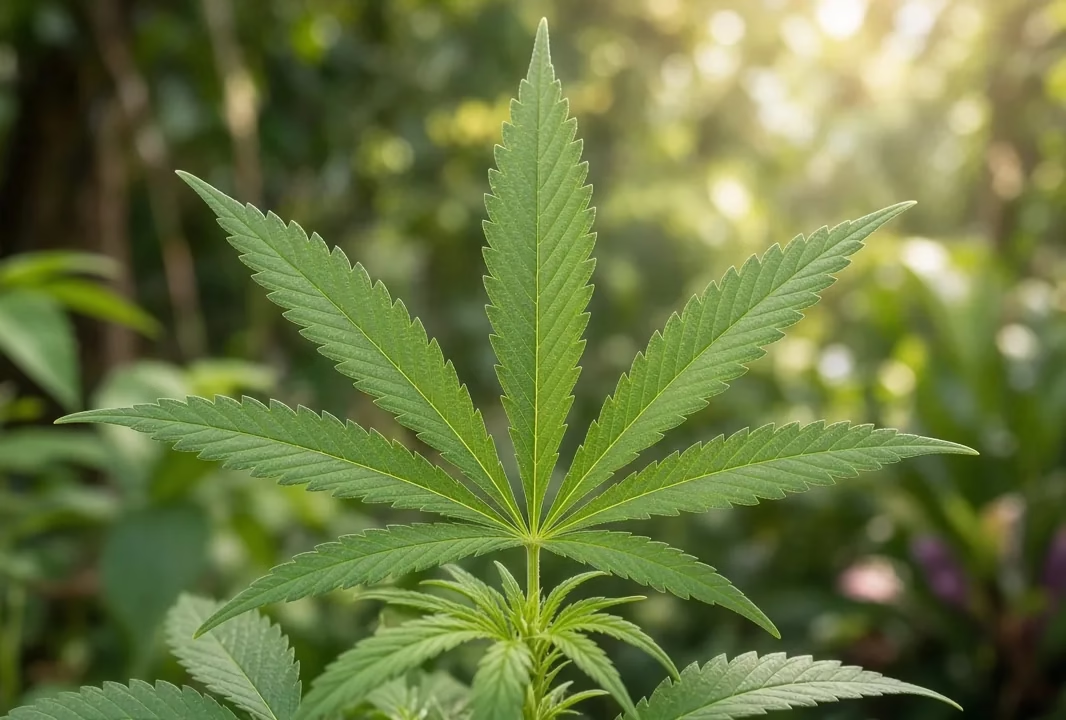
Historically, the industry used the term “Indica” to describe any plant that provided a relaxing or “body-heavy” experience. Botanically, “Indica” simply refers to the physical structure of the plant—short, bushy, and broad-leaved.
However, modern research shows that relaxation is driven by chemical composition, not just plant shape. A plant can look like a Sativa (tall and thin) but contain high levels of sedative terpenes, making it functionally “relaxing.” Scientists now look at the terpene and cannabinoid ratios to predict a strain’s potential for calm.
2. The Terpene Profile: The Aromatherapy of Cannabis
If THC is the engine, terpenes are the steering wheel. Certain aromatic oils produced by the plant are heavily correlated with sedative properties.
Myrcene: The “Couch-Lock” Terpene
Myrcene is the most common terpene found in modern cannabis. It is also found in hops, lemongrass, and mangoes. Strains with a Myrcene concentration of over 0.5% are traditionally categorized as sedative. It is believed to increase the permeability of the blood-brain barrier, allowing cannabinoids to take effect more efficiently.
Linalool: Floral Calm
Also found in lavender, Linalool is synonymous with relaxation. Strains rich in Linalool are often studied for their potential to balance the mood and reduce physiological markers of stress.
Caryophyllene: The Spicy Bridge
Found in black pepper and cloves, this terpene is unique because it also acts as a cannabinoid, binding directly to CB2 receptors in the body’s immune system, often associated with physical comfort.
3. The Role of Cannabinoids in Relaxation
While THC is the primary active compound, its interaction with other cannabinoids determines the level of “calm.”
CBD (Cannabidiol): Strains with a balanced THC:CBD ratio (e.g., 1:1) are frequently associated with a more manageable and relaxed experience compared to high-THC “Type I” strains.
CBN (Cannabinol): This compound is produced when THC ages. It is currently being researched for its potential as a significant sedative, often found in “aged” cannabis or strains harvested later in the season.
4. Lineages Historically Associated with Calm
In the 2026 market, many “relaxing” cultivars share common genetic ancestors. Beginners exploring the history of the plant will often find these names at the root of sedative hybrids:
The Kush Family: Originating from the Hindu Kush mountains, these landrace-derived strains are globally recognized for their heavy myrcene profiles and physical relaxation.
The Northern Lights Lineage: A staple in botanical history, known for a specific balance of myrcene and pinene that many find grounding.
Granddaddy Purple (GDP) Derivatives: High in linalool and caryophyllene, these are often the subjects of research into sleep and rest.
5. The Biphasic Effect: Why Dosage Matters
In the study of cannabis strains for relaxation, the “Biphasic Effect” is a critical concept. This means that a substance can have opposite effects depending on the dose.
Low to Moderate doses of certain strains may promote the intended relaxation.
High doses of the exact same strain may lead to an increased heart rate or unease, overriding the calming properties of the terpenes.
6. Reading the COA: The Beginner’s Tool for Calm
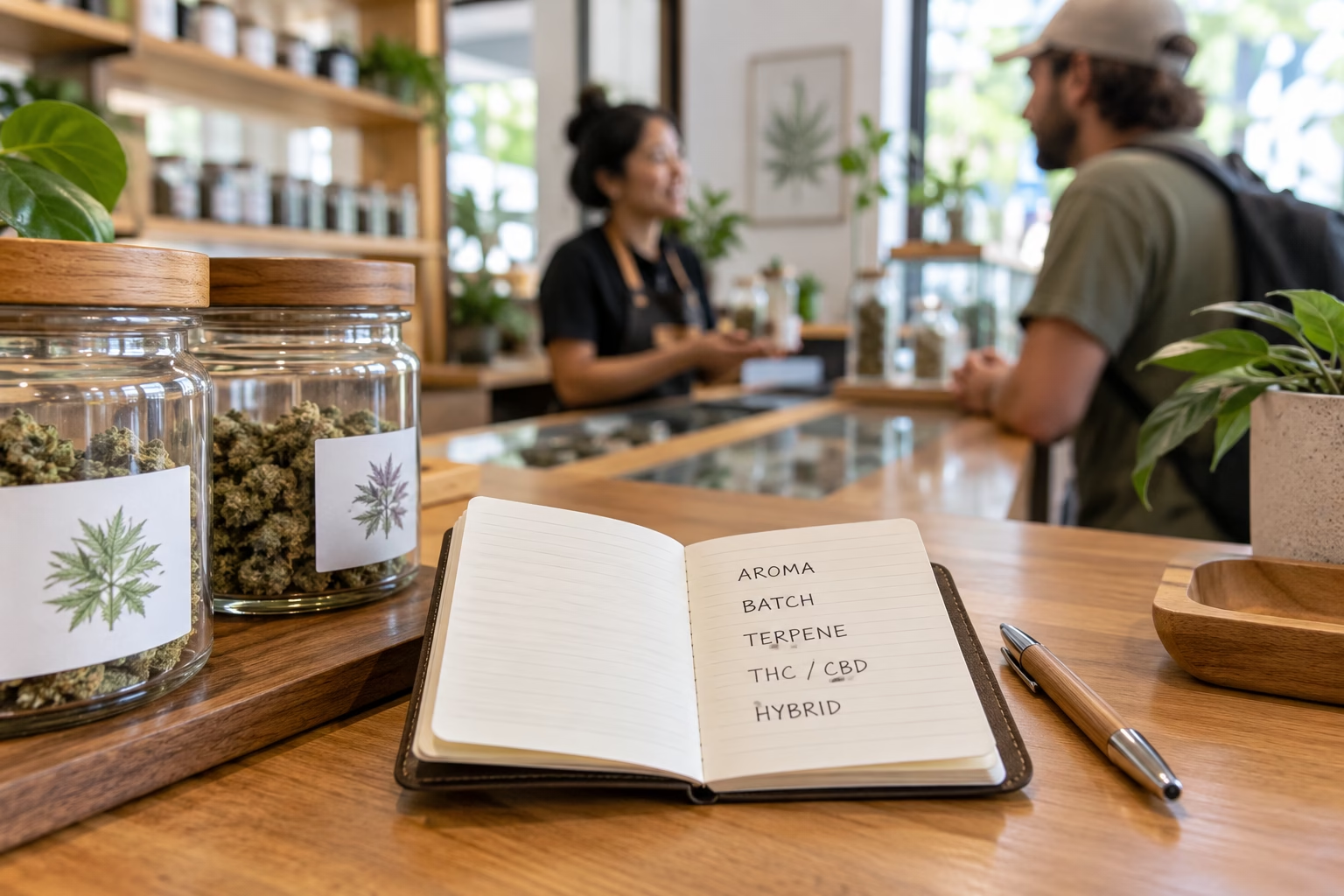
For a beginner, the most effective way to identify a relaxing strain is to ask for the Certificate of Analysis (COA).
Look for Terpene Concentrations: Aim for strains where Myrcene, Linalool, or Caryophyllene are in the top three dominant terpenes.
Check the THC:CBD Ratio: A higher presence of CBD can act as a “buffer,” making the relaxation feel more stable and less overwhelming.
7. Conclusion: Individual Biological Variability
Ultimately, the “most relaxing” strain is subjective. Factors such as your personal ECS tone, your metabolism, and even the environment in which you are seated will influence how these botanical profiles interact with you. By focusing on the science of terpenes and the balance of cannabinoids, individuals can move away from trial-and-error and toward a more educated, predictable interaction with the plant.
Disclaimer
This content is for strictly educational and informational purposes only. It does not constitute medical or legal advice. Haze Buds does not encourage the use of cannabis where it is illegal. Individual reactions to cannabis vary significantly. Always consult with a healthcare professional before introducing any new substance into your routine, and ensure you are in compliance with all local laws and regulations regarding cannabis.