Lab Testing in Thailand has become a key component of the country’s regulated cannabis market. Third-party lab testing plays an important role by providing independent, objective analysis of cannabis products, helping to verify their composition, potency, and safety. As the industry continues to develop, reliable Lab Testing in Thailand supports greater transparency for both operators and consumers.
Independent laboratories assess products for cannabinoid content and screen for potential contaminants, giving licensed dispensaries clearer data to work with. This educational overview explains the purpose and scope of Lab Testing in Thailand within the current industry framework, and why it matters for visitors seeking more consistent and informed experiences.
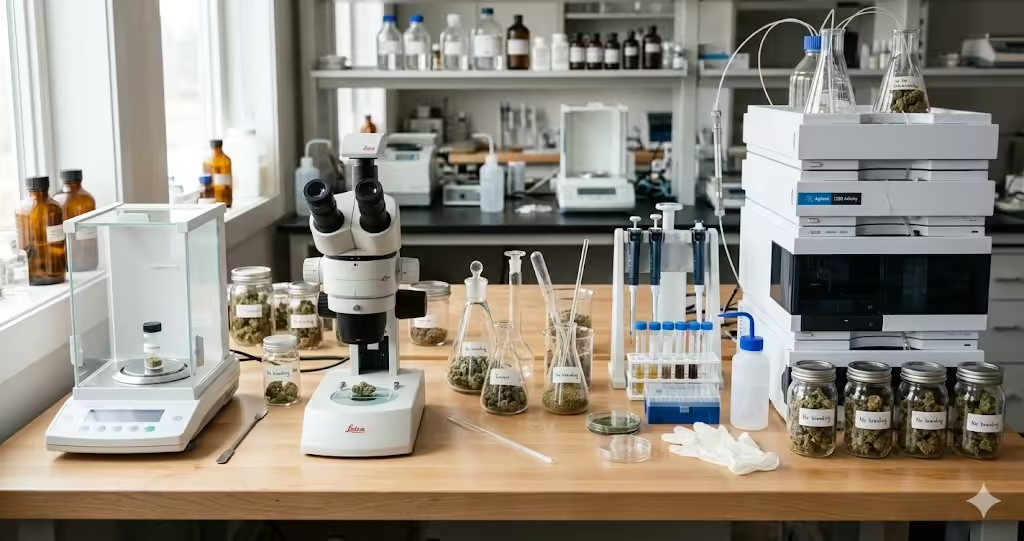
Third-party lab testing refers to the process in which an independent, accredited laboratory analyzes cannabis products. These laboratories are not affiliated with the cultivator, manufacturer, or dispensary selling the product, which helps maintain objectivity. Lab Testing in Thailand follows this independent model to support greater transparency across the regulated market.
The goal of Lab Testing in Thailand is to generate unbiased data about the product’s chemical profile and any potential contaminants. Licensed operators often rely on these results to demonstrate compliance with quality standards and to provide clearer information to customers. By separating testing from production and retail, Lab Testing in Thailand helps build a more consistent and accountable system within the current industry framework.
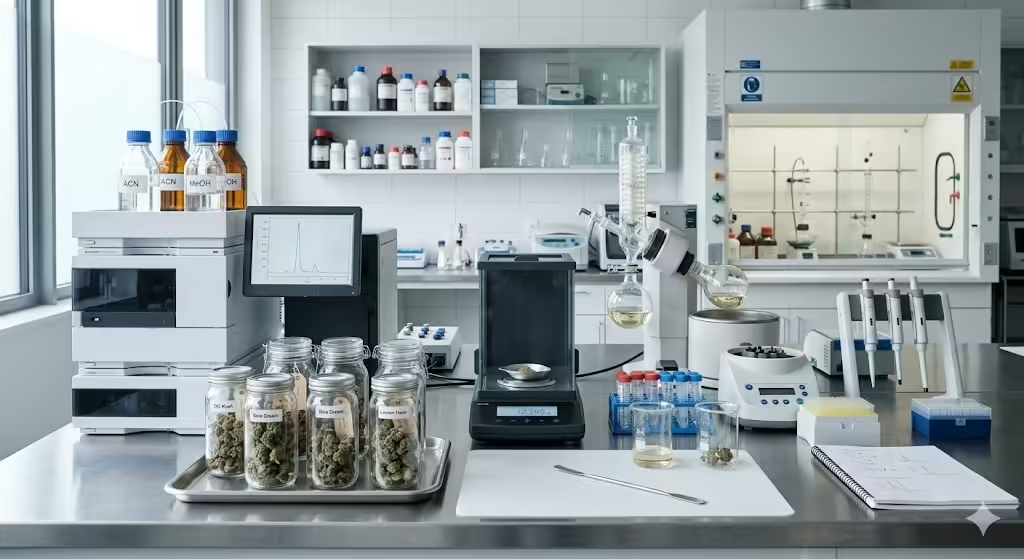
As Thailand has developed its regulated cannabis framework, increasing emphasis has been placed on product testing and transparency. Lab Testing in Thailand plays a central role in this process by helping establish greater consistency and accountability across the supply chain. Independent analysis reduces reliance on internal claims and provides a clearer picture of product quality at different stages.
For licensed dispensaries and consumers, results from Lab Testing in Thailand offer documented evidence of what a product contains. This information supports more informed decision-making and helps maintain trust in the legal market. Over time, consistent Lab Testing in Thailand contributes to higher standards and a more reliable experience for those participating in the regulated system.
Comprehensive Lab Testing in Thailand usually covers several key areas that give a clearer picture of product quality and composition. These tests help both operators and customers better understand what is in a given product.
Typical elements of Lab Testing in Thailand include:
Results from Lab Testing in Thailand are typically presented in a Certificate of Analysis (CoA), which licensed dispensaries can share with customers. Reviewing these reports supports more informed choices and adds a layer of transparency within the regulated market.
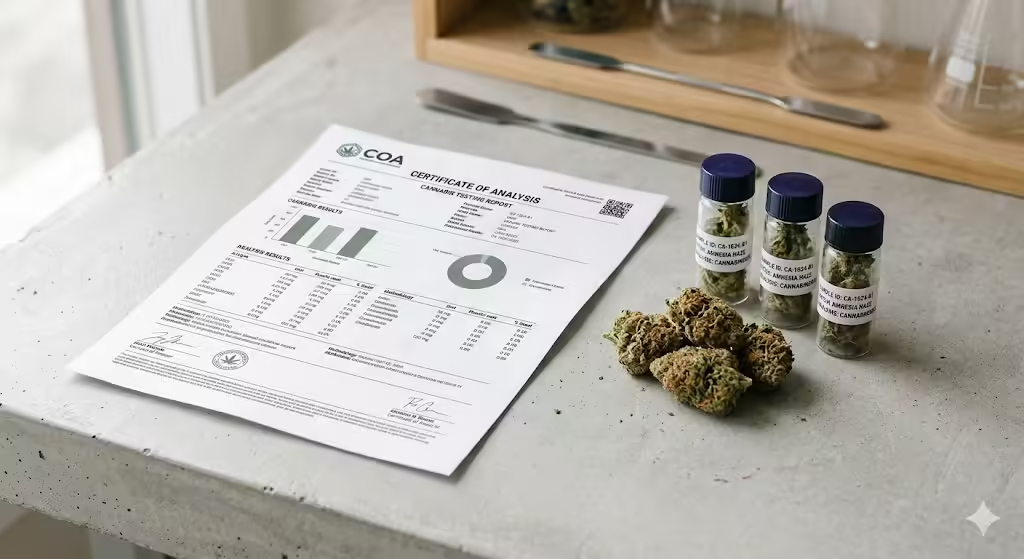
Third-party testing helps identify products that meet safety standards by screening for harmful substances. Lab Testing in Thailand also provides verifiable information about cannabinoid content, allowing consumers to better understand what they are purchasing and how products may differ from one another.
In Thailand’s licensed market, access to results from Lab Testing in Thailand contributes to greater transparency across the supply chain. Many reputable dispensaries make lab reports available or provide clear summaries to support customer education. This practice helps visitors make more informed decisions and reinforces trust in the regulated system by relying on independent data rather than marketing claims alone.
Good Agricultural and Collection Practices (GACP) represent one framework used in Thailand to promote consistent cultivation and handling standards. These guidelines focus on how plants are grown, harvested, and initially processed to support better quality from the start. Lab Testing in Thailand complements these practices by providing independent verification of the final product once it reaches the market.
Together, GACP guidelines and Lab Testing in Thailand help raise overall quality benchmarks in the industry. While GACP addresses processes on the cultivation side, laboratory analysis confirms what ends up in the finished product. This combination of upstream standards and independent Lab Testing in Thailand supports greater consistency and accountability across the regulated cannabis market.
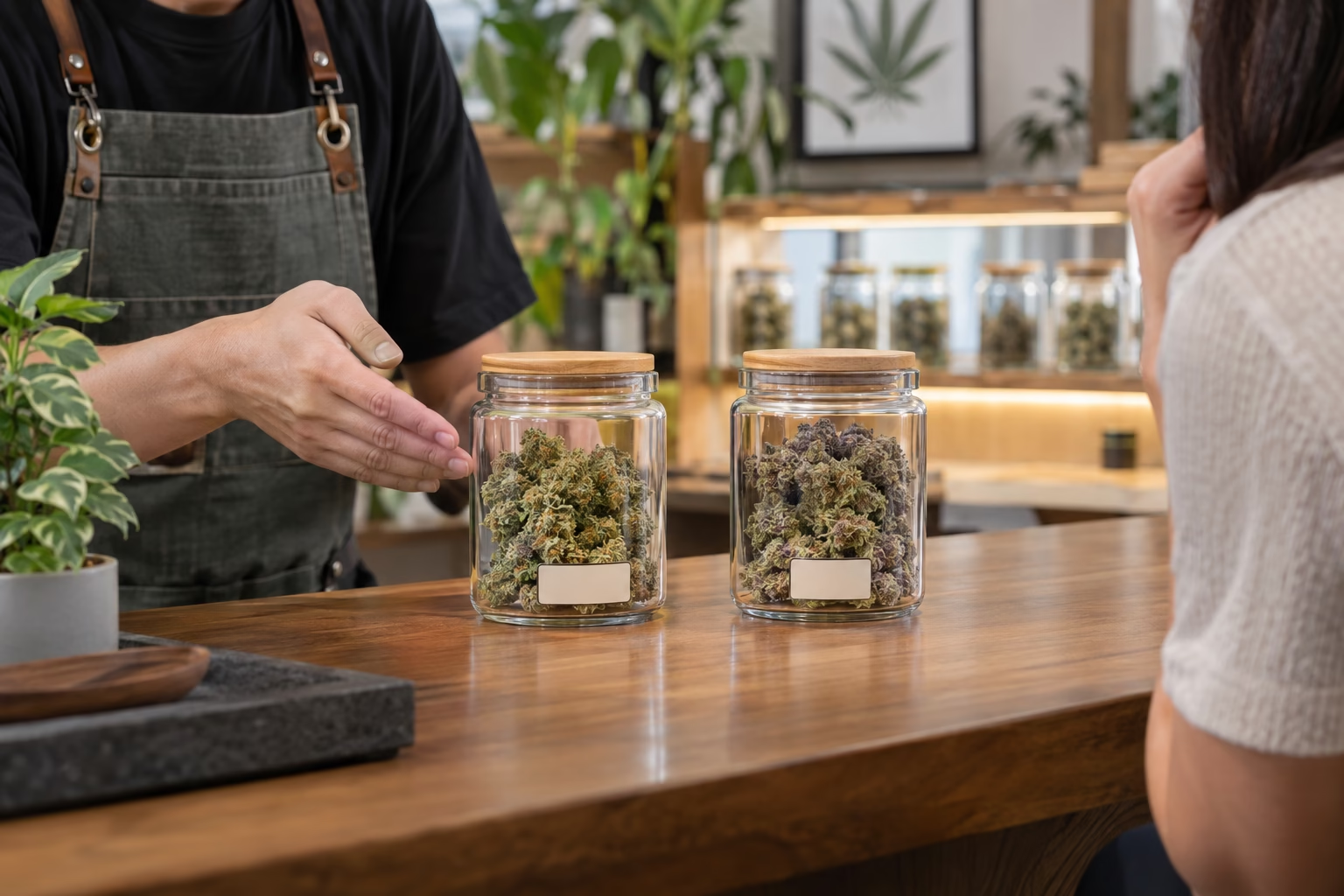
Licensed dispensaries in Thailand often use results from Lab Testing in Thailand as part of their product selection and quality control processes. Independent data helps them evaluate consistency and make more informed decisions about which products to offer. Many dispensaries display or provide access to Certificates of Analysis so customers can review the information themselves.
Establishments such as Haze Buds in Chiang Mai frequently emphasize transparency by sharing testing information and helping customers understand what the results mean. By making Lab Testing in Thailand data more accessible, these dispensaries support clearer communication and give visitors practical tools for comparing products. This approach strengthens trust and reflects a broader commitment to informed, responsible engagement within the regulated market.
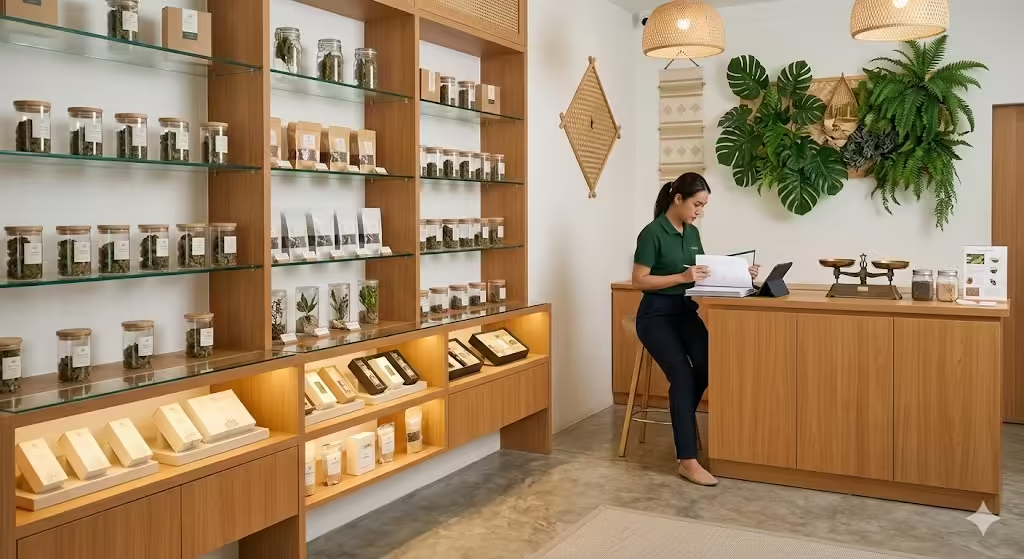
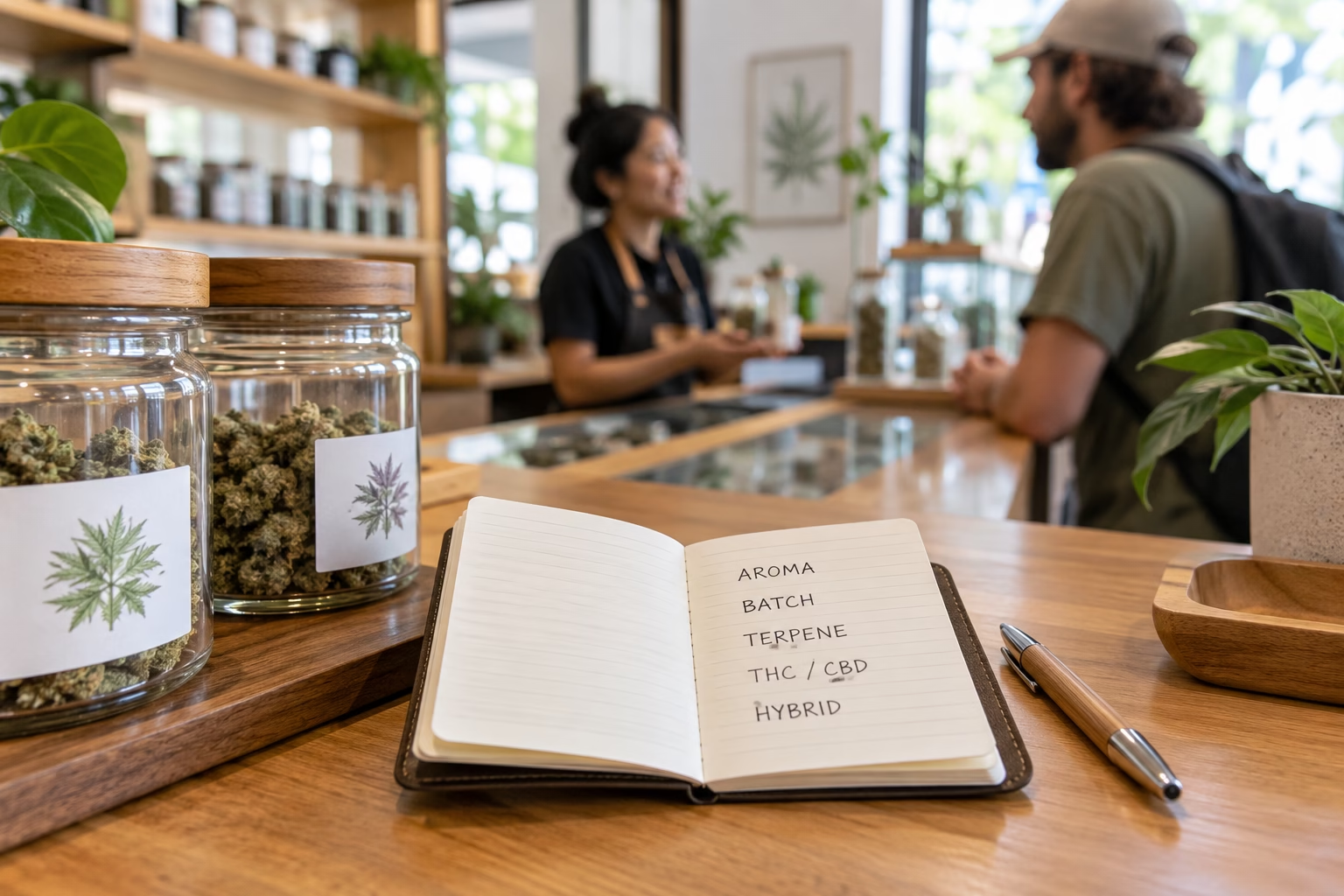
When reviewing lab reports at licensed dispensaries, consumers can focus on several practical details that make Lab Testing in Thailand more useful. Looking carefully at the information provided helps visitors better understand the product in front of them and ask more informed questions.
Key points to check include:
Asking dispensary staff to explain any unclear sections of a lab report is a practical way to gain more insight. Staff at licensed shops are often familiar with how Lab Testing in Thailand results are presented and can help clarify percentages, detection limits, or specific terms. Taking a few extra minutes to review these details supports more confident decision-making and makes better use of the transparency that Lab Testing in Thailand is designed to provide.
Third-party lab testing serves an important function in Thailand’s regulated cannabis industry by providing independent verification of product composition and safety. It supports transparency, helps maintain quality standards, and gives consumers access to documented information about the products available at licensed dispensaries.
As the market continues to develop, the role of objective laboratory analysis remains central to building consumer confidence and industry accountability.
What is a Certificate of Analysis (CoA) in the cannabis industry? A Certificate of Analysis is a document from an independent laboratory that details the results of tests performed on a specific batch of cannabis product, including cannabinoid content and contaminant screening.
Why is third-party testing important for consumers in Thailand? It provides unbiased information about what a product contains and whether it meets safety standards for contaminants, helping consumers make more informed choices at licensed dispensaries.
Does every cannabis product in Thailand undergo third-party testing? Licensed operators are generally expected to provide testing documentation. The extent and frequency of testing can vary, so it is reasonable to ask dispensaries about the availability of recent lab reports.
What contaminants are commonly tested for? Typical screens include pesticides, heavy metals, microbial contaminants (such as mold and bacteria), and residual solvents from extraction processes.
Can I request lab test results when visiting a dispensary in Chiang Mai? Yes. Many licensed dispensaries, including Haze Buds, are prepared to share or explain testing information for the products they carry.