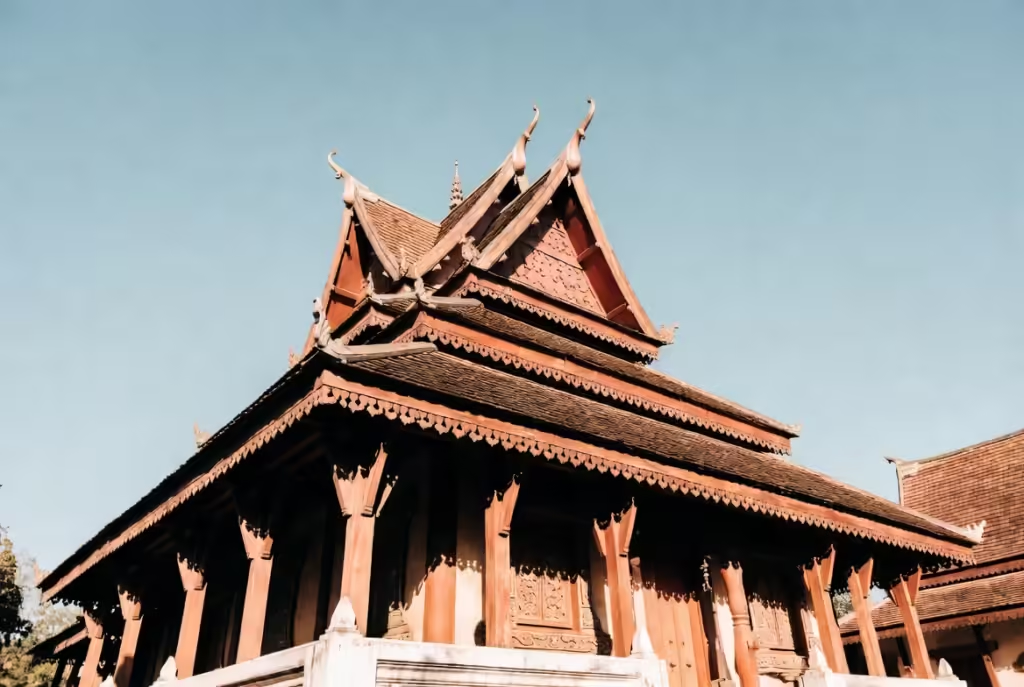
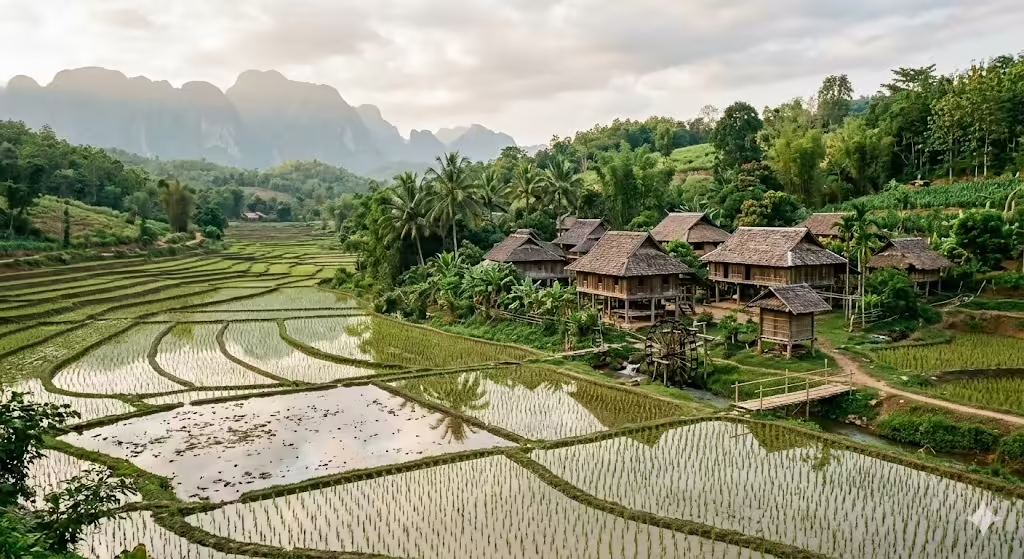
The Lanna Kingdom, centered in what is now Chiang Mai, has a rich cultural heritage spanning centuries. Like many plants, cannabis has appeared in the historical record of northern Thailand in various forms.
Understanding this background provides cultural context for visitors exploring Chiang Mai’s contemporary cannabis landscape, which operates under Thailand’s current regulatory framework.
Important Disclaimer: This article is for educational and historical purposes only. It does not constitute medical, legal, or usage advice. Cannabis access and use in Thailand today are strictly regulated. All activities must comply with current Thai law, including the requirement for a valid PT33 prescription where applicable.
The Lanna Kingdom and Its Cultural Context
The Lanna Kingdom flourished from the 13th to 18th centuries in what is now northern Thailand. Chiang Mai served as its capital and cultural center. Lanna society developed distinct traditions in art, architecture, medicine, agriculture, and craftsmanship that still influence the region today.
Plants played important roles in daily life, traditional practices, and local economies during this period. Historical records and oral traditions from northern Thailand reference various plants used for practical, medicinal, and ceremonial purposes.
Historical Uses of Cannabis in Northern Thailand
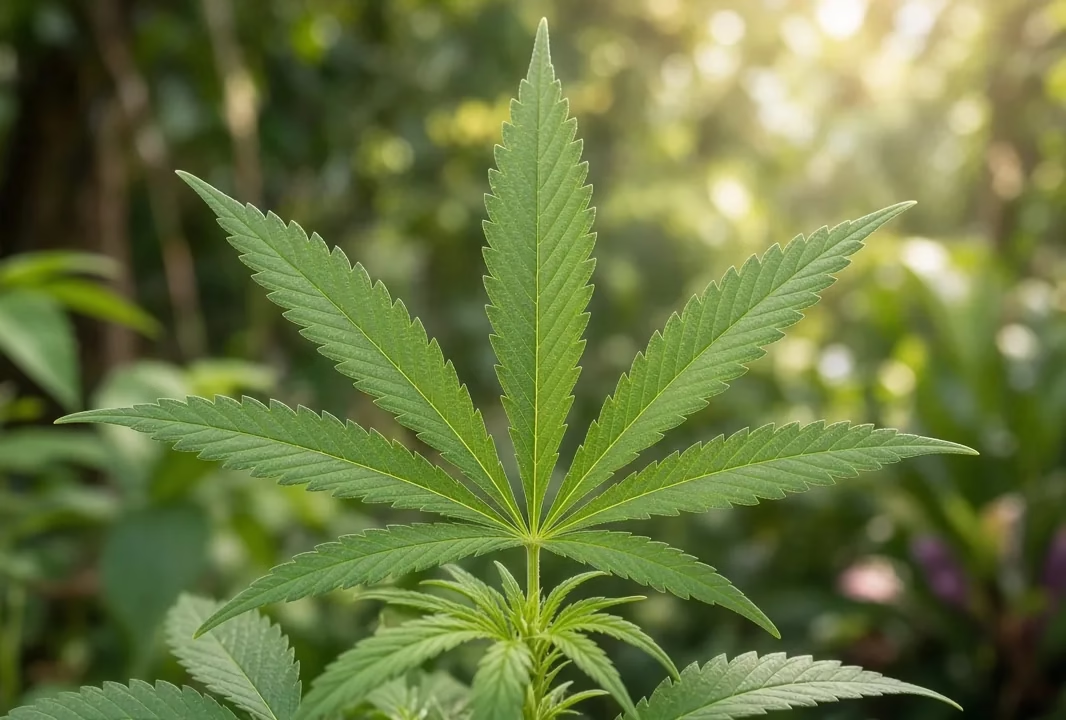
Cannabis has a long presence in parts of Asia, including regions that were part of or connected to the Lanna cultural sphere. In traditional contexts, the plant was sometimes used for its fibers (hemp) in textiles and rope-making, as well as in certain folk practices.
In northern Thai herbal traditions, various plants, including cannabis in some accounts, were referenced in local healing knowledge passed down through generations. These historical uses were part of pre-modern agricultural and medicinal systems that differed significantly from contemporary regulated approaches.
It is important to note that historical practices existed in entirely different legal, medical, and social contexts from today’s environment.
Cannabis in Traditional Lanna Practices
Some historical references suggest cannabis appeared in agricultural life and certain traditional preparations in northern Thailand. Local communities may have cultivated or traded the plant alongside other crops.
However, documentation is often limited and varies across sources. Modern interpretations of these historical references should be approached with care, as they reflect the knowledge and conditions of their time rather than current scientific or regulatory standards.
The Transition to Modern Times
Following the end of the Lanna Kingdom and through subsequent historical periods, attitudes and regulations regarding cannabis in Thailand evolved significantly. By the 20th century, national laws placed increasing restrictions on the plant.
In recent years, Thailand has developed a regulated framework for cannabis, particularly in tourist centers such as Chiang Mai. This modern system emphasizes licensed operators, quality standards, and medical oversight through mechanisms such as the PT33 prescription process.
Cannabis in Contemporary Chiang Mai
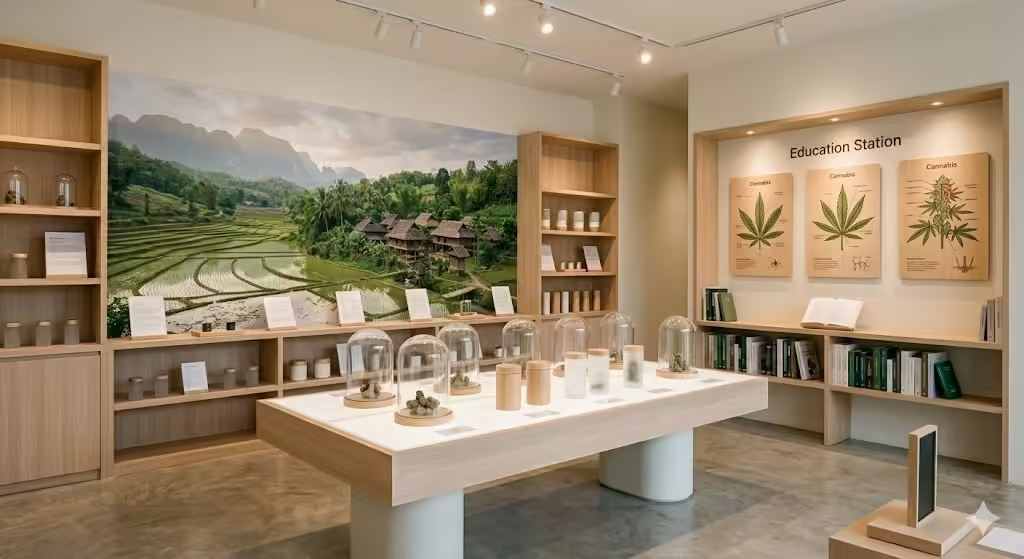
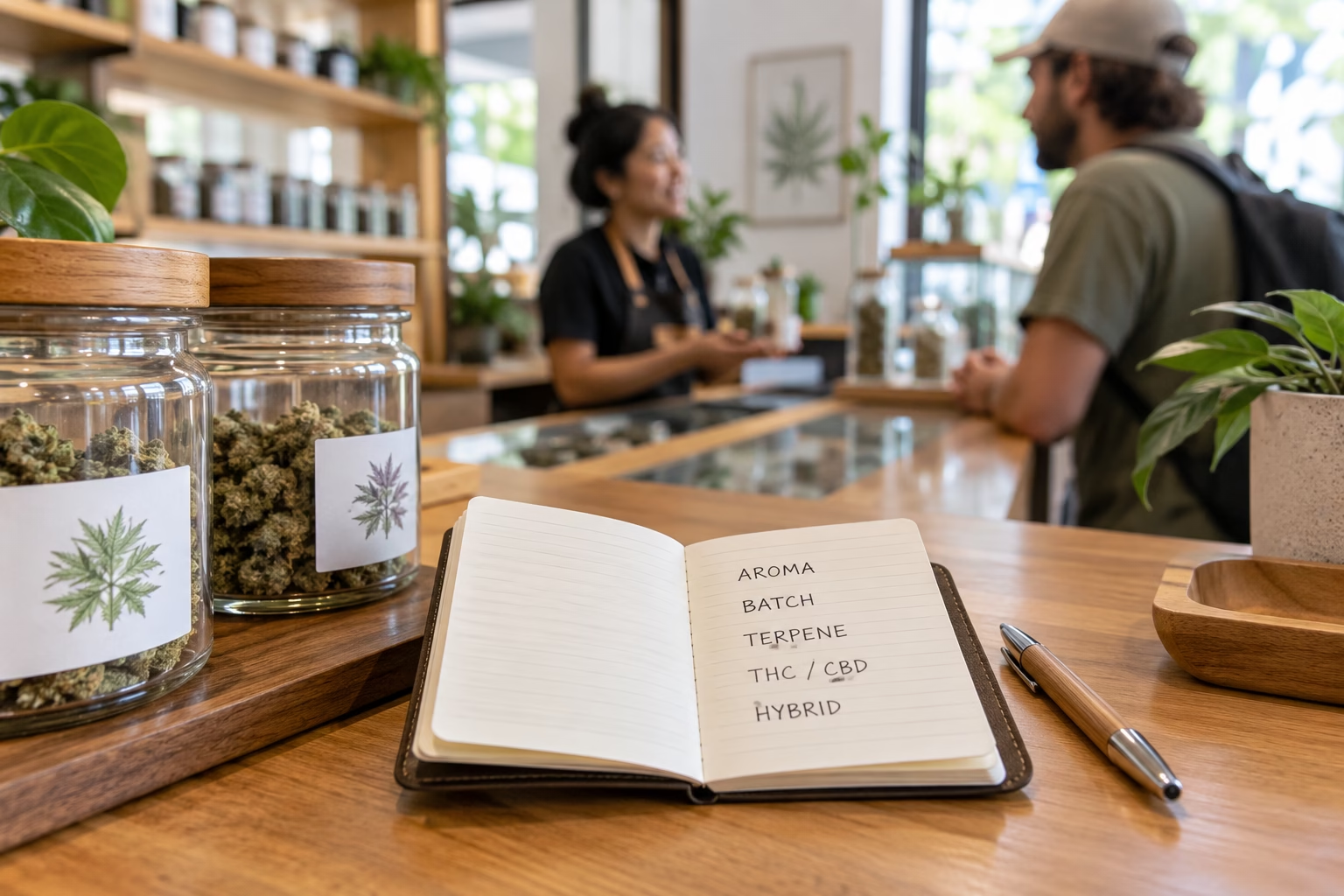
Today, Chiang Mai hosts a number of licensed cannabis dispensaries operating under Thailand’s regulatory guidelines. These establishments provide products within the legal framework and often offer educational resources to visitors.
Many licensed dispensaries, including Haze Buds locations in Chiang Mai, focus on transparency regarding product origins, testing, and compliance. This modern approach prioritizes consumer information and adherence to current laws rather than historical practices.
The contrast between traditional references and today’s regulated market highlights how societal, legal, and scientific understanding of cannabis has changed over time.
Bridging History and the Present
For visitors interested in Lanna heritage, exploring historical context alongside the current regulated cannabis scene can offer a more complete picture of the region’s relationship with the plant. Chiang Mai’s licensed dispensaries operate as part of a structured system designed to balance cultural interest with legal compliance.
Educational materials available at reputable locations help bridge traditional curiosity with modern requirements, allowing visitors to engage responsibly with the topic.
Conclusion
Cannabis has appeared in various forms throughout the history of the Lanna region and northern Thailand. While historical references provide cultural context, the modern reality in Chiang Mai centers on a regulated, licensed market that prioritizes compliance, quality standards, and consumer education.
Visitors interested in this topic can explore both the historical background and the current licensed dispensary environment to gain a well-rounded understanding of cannabis in Chiang Mai today.
FAQ Section
Did cannabis have traditional uses in Lanna culture? Historical records and local traditions indicate that cannabis appeared in agricultural and some traditional contexts in northern Thailand. Specific uses varied and were part of pre-modern systems of knowledge.
How does historical use relate to modern cannabis regulations in Thailand? Historical practices existed in entirely different legal and social contexts. Today, cannabis in Thailand is governed by a regulated framework that requires licensed operators and, in many cases, a PT33 prescription.
Where can visitors learn about both Lanna history and modern cannabis in Chiang Mai? Many licensed dispensaries in Chiang Mai, such as Haze Buds, provide educational resources that touch on cultural context while focusing on current regulations and product information.
Is it accurate to say cannabis was widely used in traditional Lanna medicine? References exist in historical and folk contexts, but documentation is limited and interpretations should remain cautious. Modern understanding and regulation differ significantly from historical practices.
How has Chiang Mai’s approach to cannabis changed over time? The region has moved from historical and traditional references to a structured, licensed regulatory system designed to ensure compliance, product standards, and consumer information in line with current Thai law.
Suggested Internal Links
- Embracing Chiang Mai’s Cannabis Culture with Haze Buds
- Bamboo Bongs in Thai Culture An Eco-Friendly Adventure Through Chiang Mai
- Support Local Artisans: The Story Behind Our Wooden Accessories
- Thailand Cannabis Laws 2026 Update: Complete Guide for Foreign Tourists