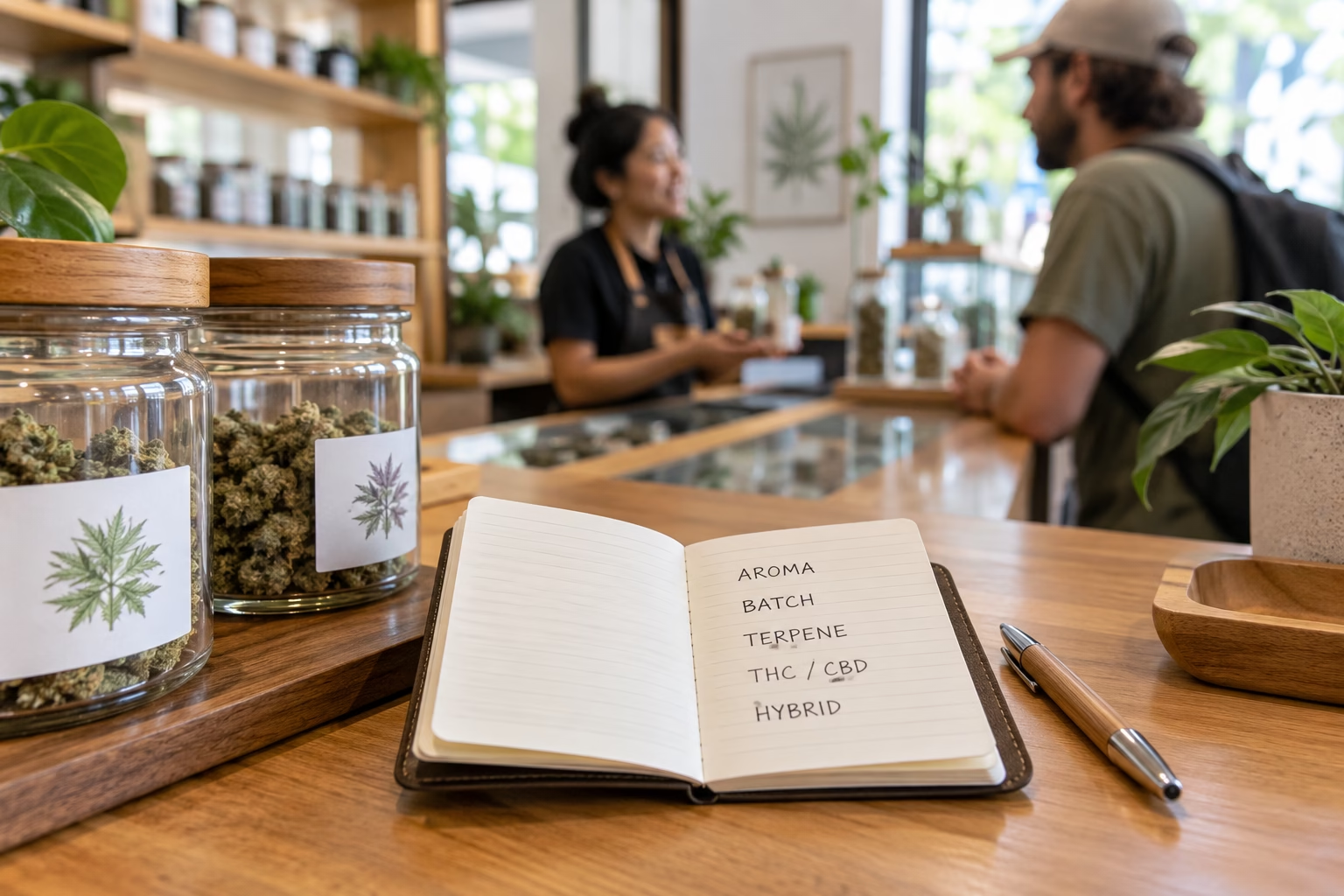
Best Practices for Storing Cannabis Products in Thailand’s Tropical Climate
Thailand’s tropical climate presents unique challenges for storing cannabis products. High temperatures, humidity, and exposure to light can affect the quality of flower, edibles, and other items over time.
Understanding proper storage methods helps maintain product characteristics in this environment. This educational guide outlines practical approaches tailored to Thailand’s conditions.
Important Disclaimer: This article is for educational purposes only and is not medical or legal advice. Cannabis products in Thailand must be stored in accordance with current regulations. Always keep your PT33 prescription and purchase documentation with any stored products. Use only in permitted private spaces and comply fully with Thai law.
Why Climate Matters for Cannabis Storage in Thailand
Thailand’s warm temperatures and high humidity levels can accelerate the degradation of cannabis products. Excess moisture increases the risk of mold and mildew, while heat and light can break down cannabinoids and terpenes more quickly.
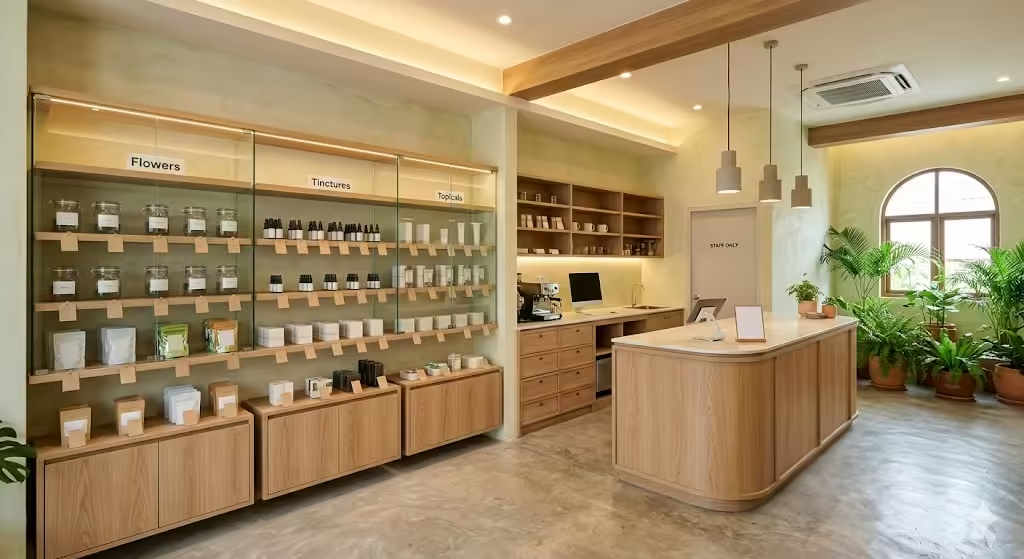
Proper storage helps protect product quality in these conditions. Many licensed dispensaries in Chiang Mai provide guidance on storage as part of their customer education efforts.
General Principles of Proper Storage
Regardless of climate, several core principles support better preservation:
Keep products in a cool, dark place away from direct sunlight and heat sources.
Use airtight containers to limit exposure to air and moisture.
Avoid frequent opening of storage containers.
Store products separately from strong odors.
These basic practices become especially important in Thailand’s tropical environment.
Specific Challenges in Tropical Climates
The combination of heat and humidity in Thailand creates particular concerns:
Humidity control: High moisture in the air can lead to condensation inside containers and increase mold risk.
Temperature fluctuations: Warm conditions can speed up the breakdown of active compounds.
Light exposure: Strong tropical sunlight can degrade quality if products are not properly protected.
Addressing these factors helps extend the usable life of stored products.
Best Practices for Flower
For cannabis flower, additional steps are often recommended in humid climates:
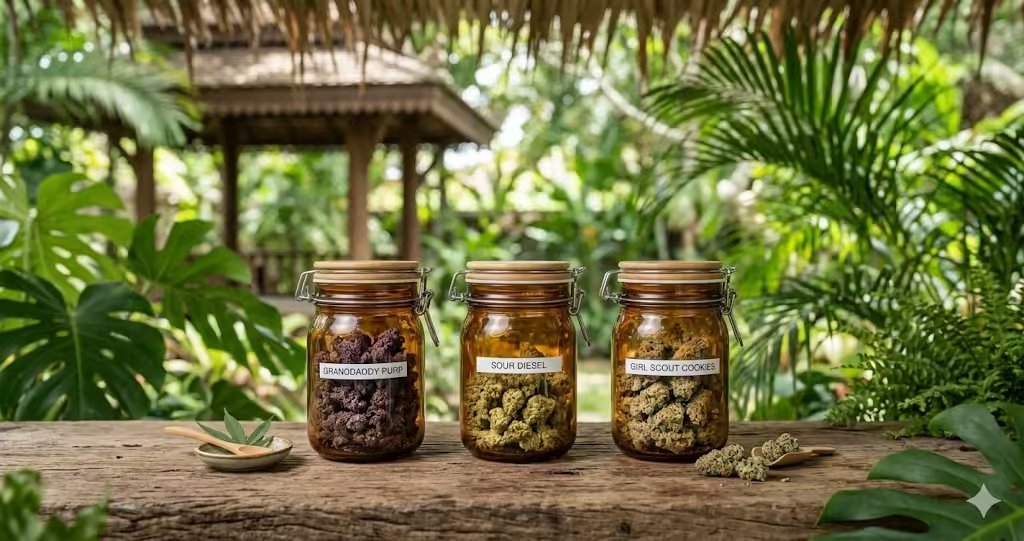
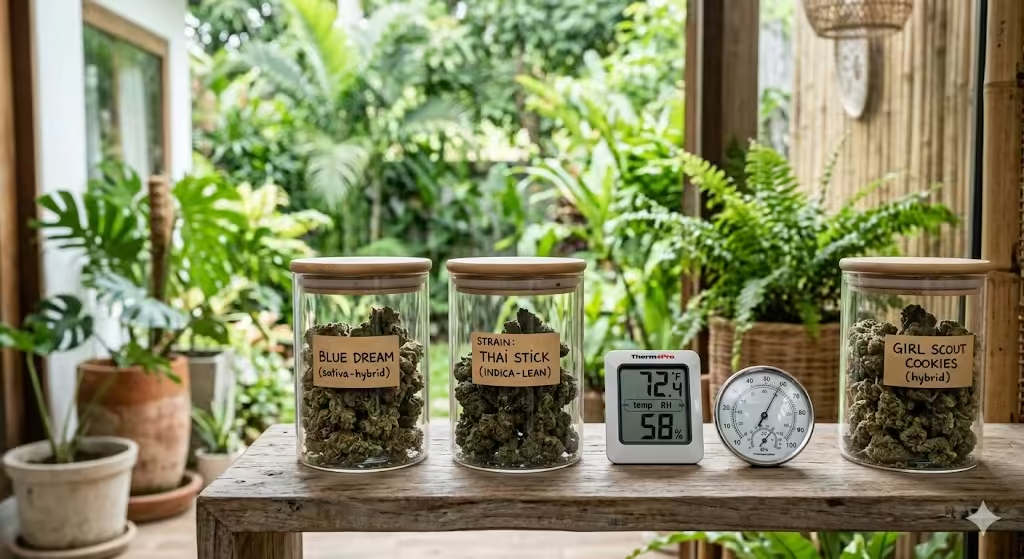
Use airtight glass jars with secure lids.
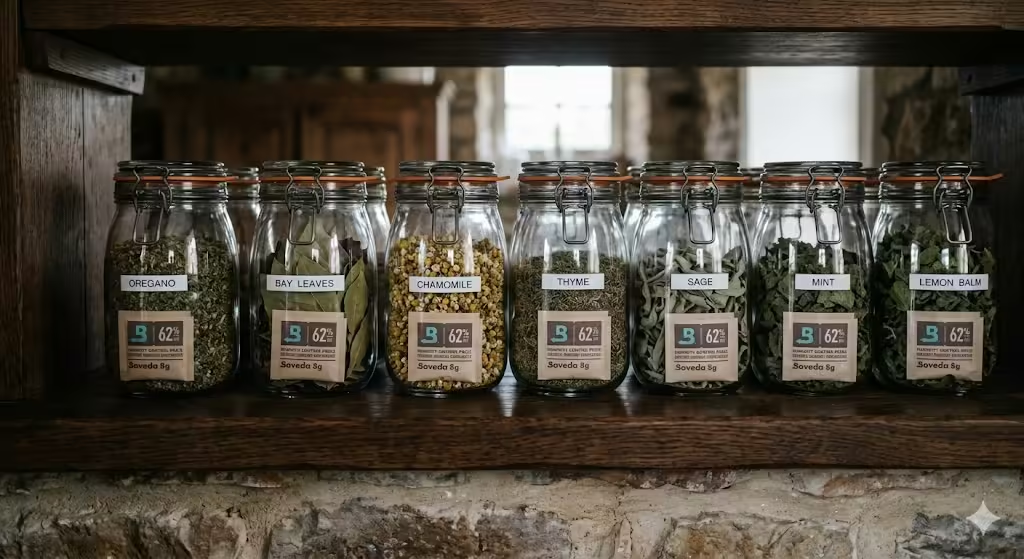
Consider adding humidity control packs designed for the appropriate relative humidity range.
Store in a consistently cool, dark location such as a cupboard or drawer away from windows and heat sources.
Check periodically for any signs of moisture or unusual odors.
Many licensed dispensaries in Chiang Mai advise customers on these methods suited to local conditions.
Storing Edibles and Other Products
Edibles and processed products have their own storage needs:
Follow any specific instructions provided on the packaging.
Keep edibles in airtight containers and away from heat, which can affect texture and consistency.
Store oils and tinctures in dark bottles in cool locations.
Avoid leaving products in vehicles or other places where temperatures can rise significantly.
Proper storage helps maintain the intended characteristics of these items.
Common Mistakes to Avoid
Some frequent storage errors in tropical climates include:
Leaving products in plastic bags that trap moisture.
Storing in areas exposed to direct sunlight or near stoves and air conditioners.
Opening containers repeatedly in humid environments.
Ignoring signs of degradation such as unusual smells or visible mold.
Being aware of these pitfalls supports better long-term preservation.
Legal Considerations for Storage in Thailand
Under current Thai regulations, cannabis products should be stored securely along with the required documentation. Keeping your PT33 prescription and purchase receipts together with stored products is an important compliance practice.
Licensed dispensaries such as Haze Buds in Chiang Mai often remind customers of these legal responsibilities during consultations and interactions.
Conclusion
Storing cannabis products effectively in Thailand’s tropical climate requires attention to humidity, temperature, and light protection. Using appropriate airtight containers, controlling moisture, and choosing suitable storage locations can help maintain product quality over time.
Licensed dispensaries in Chiang Mai are valuable sources of practical guidance tailored to local conditions.
FAQ Section
Why is humidity a concern when storing cannabis in Thailand? High humidity can introduce excess moisture, increasing the risk of mold and affecting product quality. Using airtight containers and humidity control aids helps manage this issue.
What type of container works best for storing flower in tropical climates? Airtight glass jars with secure lids are commonly recommended. Adding humidity control packs designed for the appropriate range can provide additional protection in humid environments.
Should I store cannabis products in the refrigerator? While cool storage is beneficial, refrigeration can sometimes introduce condensation when containers are opened in humid conditions. A consistently cool, dark cupboard or drawer is often preferable.
How can I tell if stored cannabis has degraded? Signs may include unusual odors, visible mold, excessive dryness, or changes in appearance. When in doubt, consult staff at a licensed dispensary for guidance.
Do licensed dispensaries in Chiang Mai provide storage advice? Many licensed locations, including Haze Buds, offer practical information about storing products in Thailand’s climate as part of their educational support for customers.
Suggested Internal Links
The Ultimate Guide to Proper Cannabis Flower Storage: Keep Your Buds Fresh and Potent
A Practical Guide to Identifying High-Quality Cannabis Flower in Chiang Mai Dispensaries
What Are Trichomes? The Tiny Structures That Determine Cannabis Quality and Potency
How to Read Cannabis Product Labels and Lab Reports in Thailand Dispensaries