Edibles Explained: A Science-Based Guide for First-Time Consumers | Haze Buds
Edibles Explained: What First-Time Consumers Should Consider
Introduction: The Evolution of Ingestion
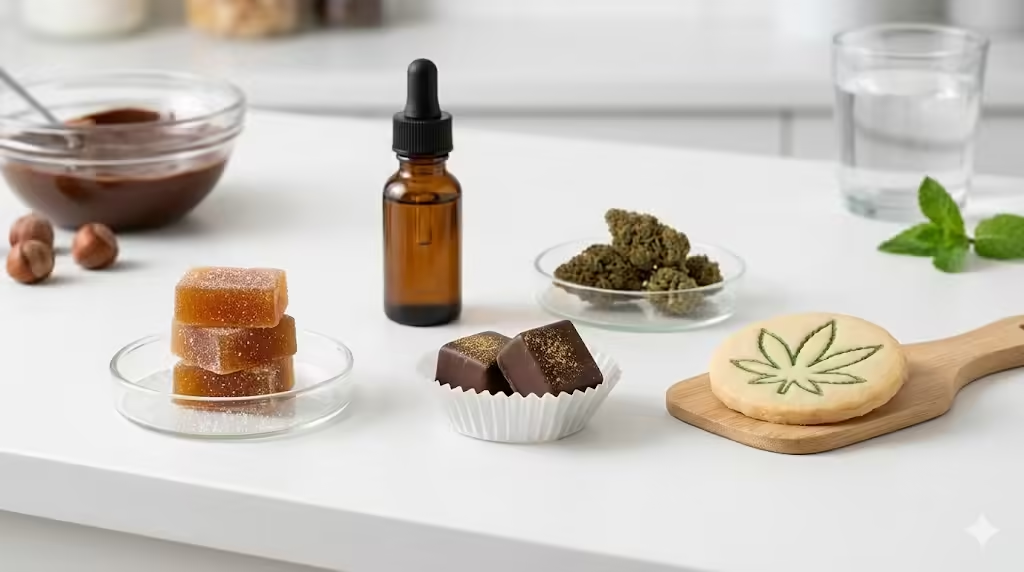
In the landscape of 2026, cannabis edibles have moved far beyond homemade baked goods. Today, they encompass a sophisticated range of precisely dosed gummies, beverages, and sublingual strips. For those seeking to understand cannabis use, “edibles explained” refers to the study of how the body processes cannabinoids through the gastrointestinal tract—a process fundamentally different from inhalation.
Understanding these differences is crucial, as oral consumption is often characterized by a delayed onset and a significantly more potent physiological interaction.
1. The Biological Journey: The Digestive Process
When cannabis is inhaled, cannabinoids enter the bloodstream via the lungs almost instantly. However, when ingested, the compounds follow a much longer path.
The Route of Administration
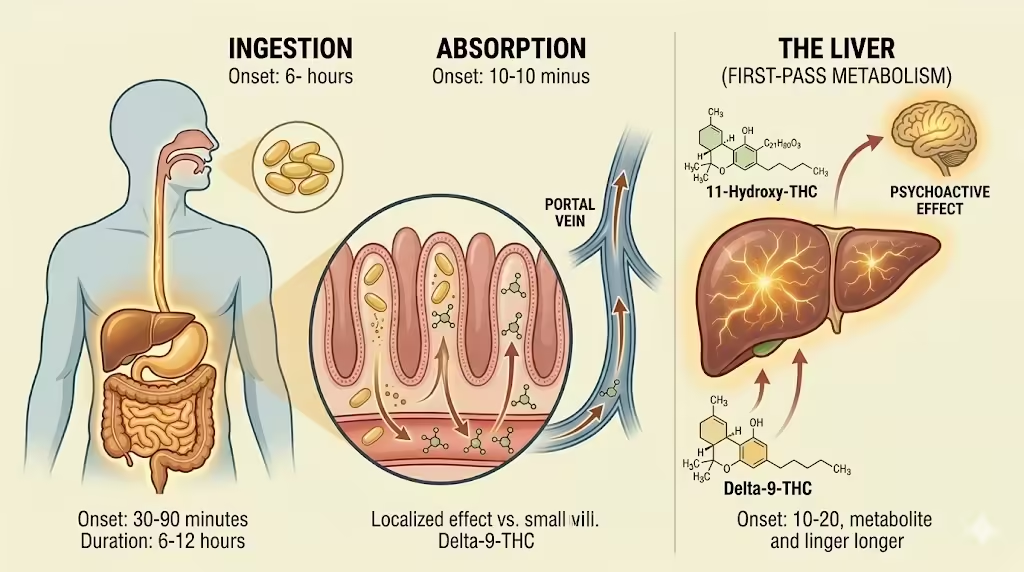
Ingestion: The product is broken down in the stomach.
Absorption: Cannabinoids are absorbed through the walls of the small intestine.
The Liver (First-Pass Metabolism): This is the most critical stage. The cannabinoids travel through the portal vein to the liver before entering the general circulation.
2. Chemical Transformation: 11-Hydroxy-THC
The primary reason edibles are often described as “stronger” than inhaled cannabis is a chemical reaction that occurs in the liver.
When Delta-9-THC (the standard compound in the plant) is processed by liver enzymes, it is converted into 11-Hydroxy-THC.
Potency: Research suggests that 11-Hydroxy-THC is more potent and may cross the blood-brain barrier more effectively than Delta-9-THC.
Experience: This metabolite often results in a more intense and “body-focused” interaction, which is a key consideration for first-time observers.
3. Temporal Dynamics: The Waiting Game
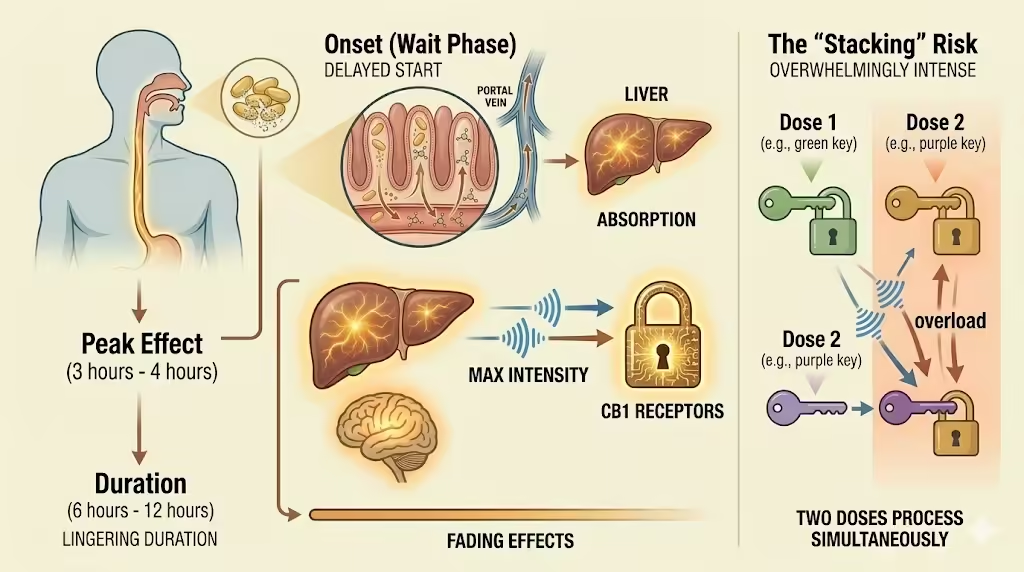
One of the most significant variables in oral consumption is time. Because the body must digest the product, the “onset” is not immediate.
Phase
Timeframe (General Average)
Onset
30 minutes – 2 hours
Peak Effect
3 hours – 4 hours
Total Duration
6 hours – 12 hours
The “Stacking” Risk: A common point of confusion for beginners is the delay. If a consumer does not feel an effect within 60 minutes and chooses to ingest more, they risk “stacking” the doses. By the time the first dose is processed, the second is already in the system, leading to an overwhelmingly intense experience.
4. Factors Influencing the Experience
No two individuals process edibles in exactly the same way. Several biological and environmental factors dictate the rate of absorption:
Metabolism: Individuals with faster metabolic rates may process the compounds more quickly.
Dietary Fat: Cannabinoids are lipophilic (fat-soluble). Consuming an edible with a meal containing healthy fats can increase the rate of absorption.
The “Empty Stomach” Variable: Ingesting cannabis on a completely empty stomach may lead to a faster onset but potentially more significant gastrointestinal discomfort.
Genetics: Specific liver enzymes (such as CYP2C9) vary between people, affecting how efficiently THC is converted or cleared from the system.
5. Understanding Dosing and Label Literacy
In 2026, regulated markets emphasize the “milligram (mg)” as the standard unit of measurement. Understanding these numbers is the foundation of a controlled experience.
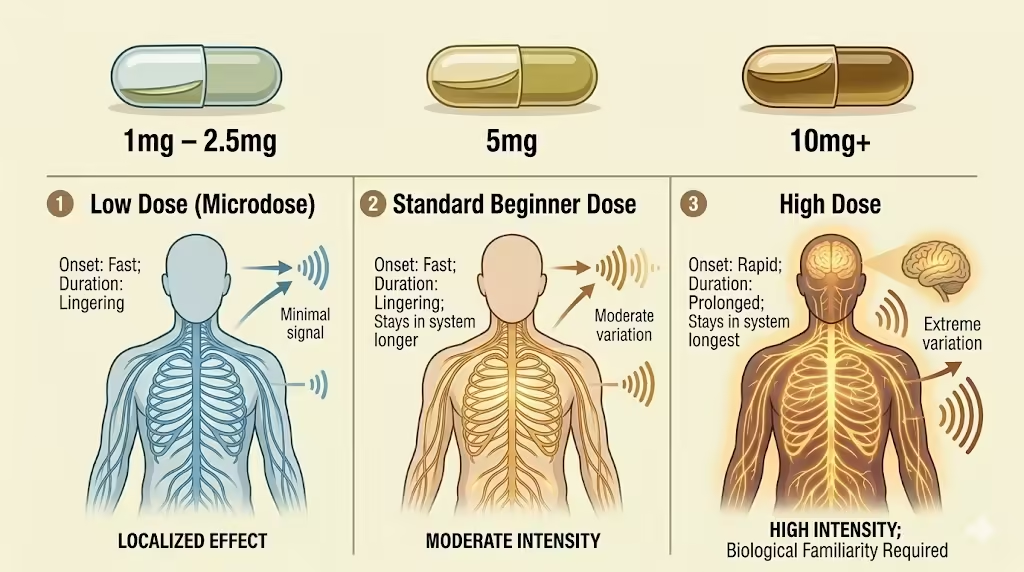
Low Dose (Microdose): 1mg – 2.5mg of THC.
Standard Beginner Dose: 5mg of THC.
High Dose: 10mg+ (Generally not recommended for those without established biological familiarity).
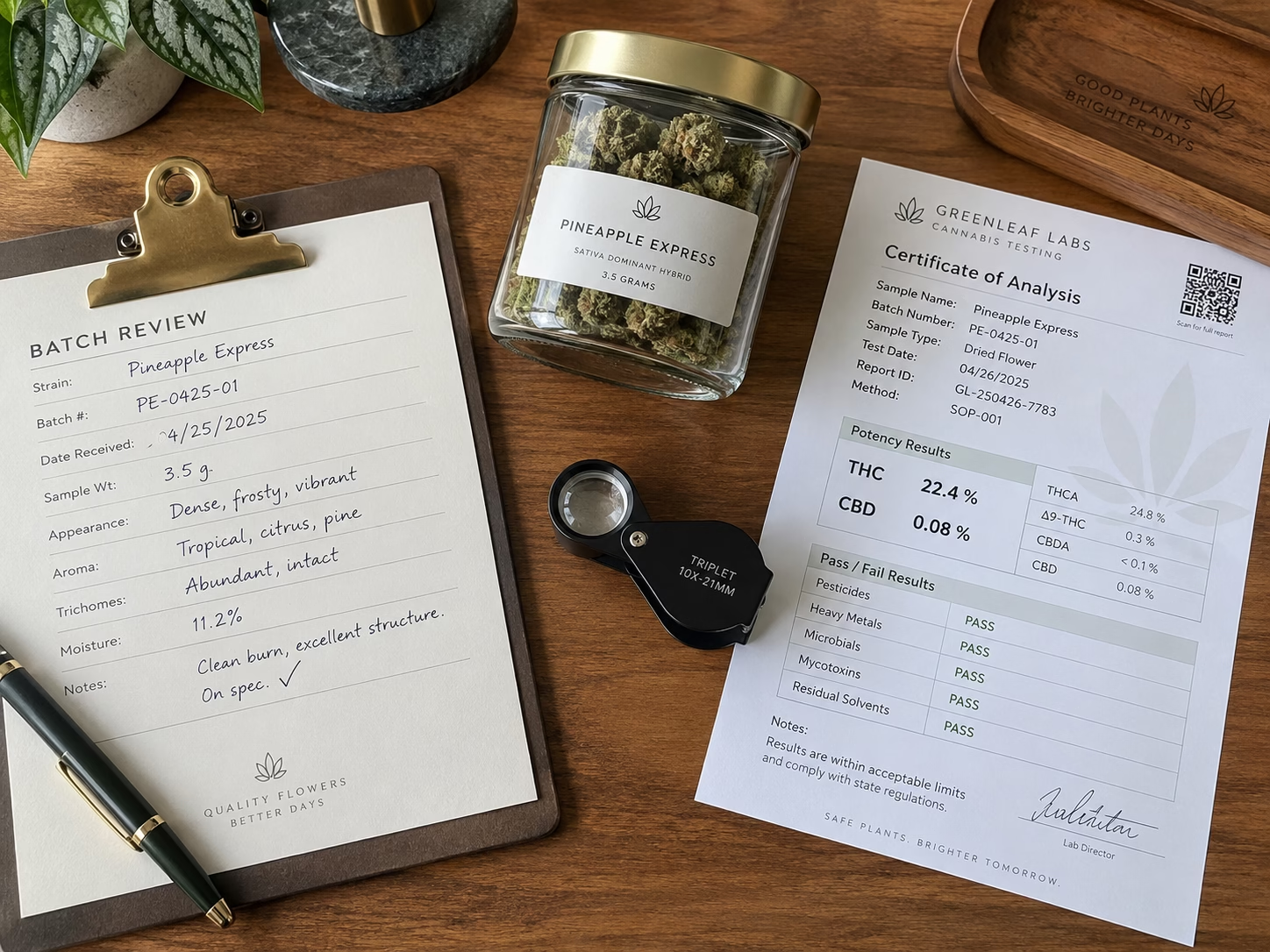
Reading the COA (Certificate of Analysis)
A responsible observer should always look for a third-party lab report. This ensures that a “10mg gummy” actually contains 10mg and is free from contaminants like residual solvents or pesticides.
6. CBD as a Modulating Agent
Many modern edibles include CBD (Cannabidiol). In the context of oral consumption, CBD can act as a physiological buffer. It may help mitigate some of the more intense psychoactive effects of 11-Hydroxy-THC, leading to a more balanced and manageable experience for a first-timer.
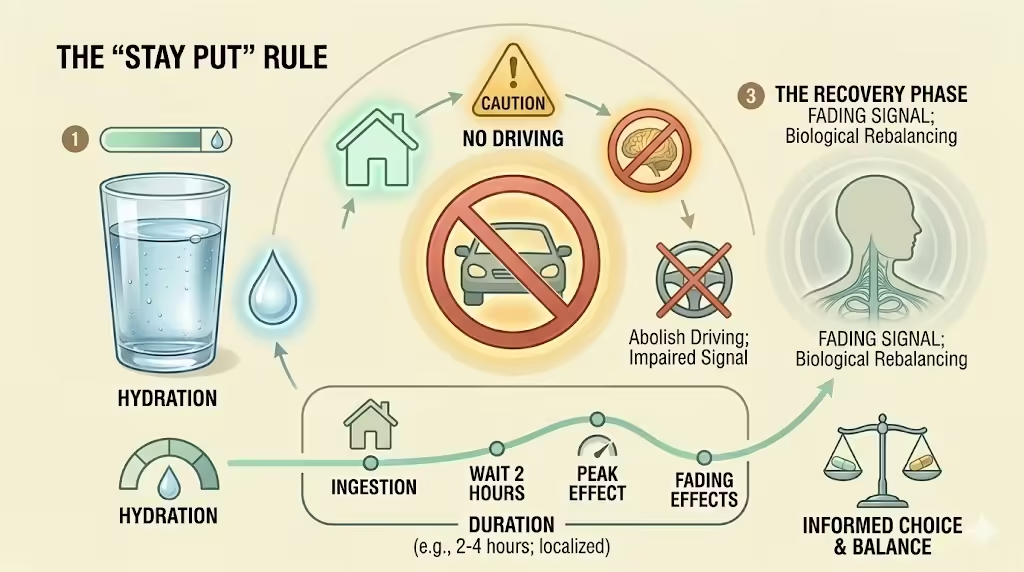
7. Safety Considerations: The “Stay Put” Rule
Because the duration of an edible can last up to 12 hours, the environment (Setting) is paramount.
Hydration: Oral consumption often leads to significant “dry mouth.” Keeping water nearby is essential.
No Driving: Given the impairment of motor skills and the long duration, operating a vehicle is strictly unsafe.
The Recovery Phase: Ensure there are no professional or social obligations for at least 24 hours following the first experience to allow the body to fully return to its baseline state.
8. Conclusion: Informed Ingestion
Edibles offer a unique and smoke-free way to interact with the cannabis plant, but they require a higher level of patience and biological understanding than other methods. By understanding the role of the liver, the timeline of metabolism, and the importance of precise dosing, an individual can move from a state of uncertainty to one of informed literacy.
Knowledge is the most effective tool for ensuring that your first encounter with oral cannabis is safe, controlled, and predictable.
Disclaimer
This content is for strictly educational and informational purposes only. It does not constitute medical or legal advice. Haze Buds does not encourage the use of cannabis where it is illegal. Edibles carry a high risk of over-consumption due to delayed onset. Always consult with a healthcare professional before introducing any new substance into your routine, and ensure you are in compliance with all local laws and regulations regarding cannabis.