Why Decarboxylation Matters: The Science Behind Edible Cannabis Experiences in Thailand
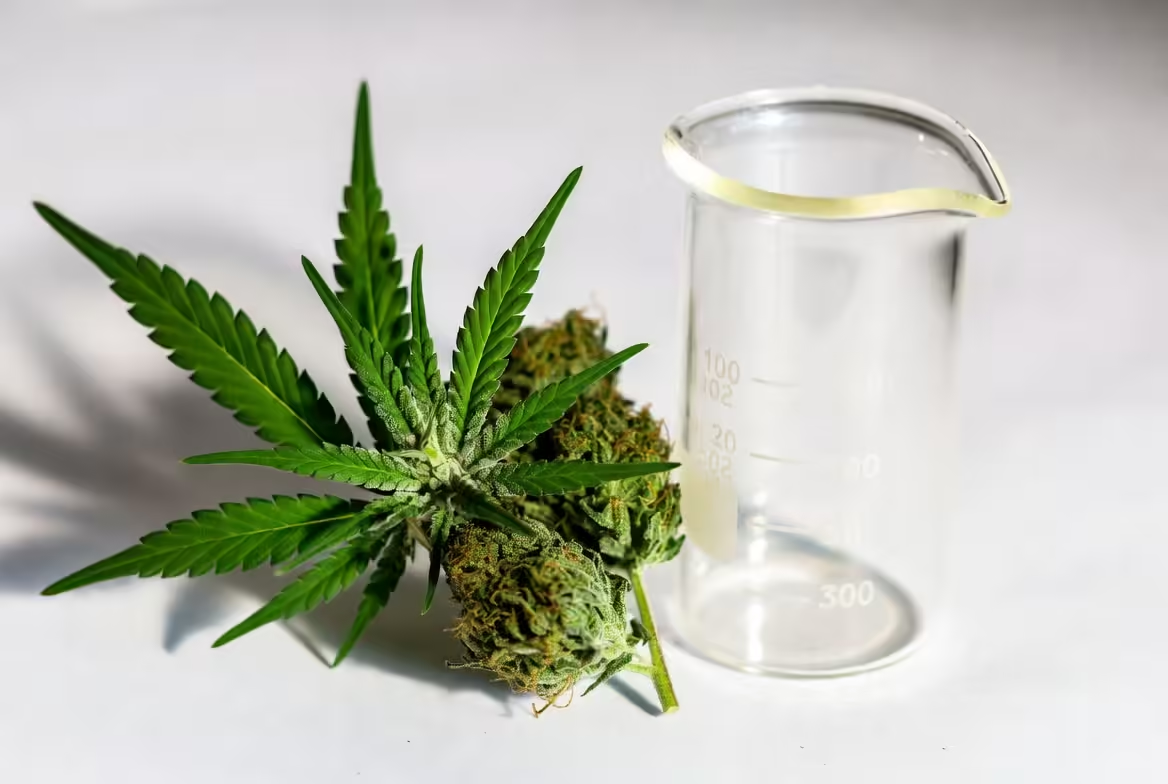
Edible cannabis products available in Thailand’s regulated market rely on a fundamental chemical process called decarboxylation. This reaction transforms the natural compounds found in the cannabis plant into forms that can be absorbed differently when consumed in food or capsules compared to inhalation methods.
Understanding this science helps explain why edibles have distinct characteristics and why proper processing standards matter in licensed Thai dispensaries.
What Is Decarboxylation?
Decarboxylation is a chemical reaction that occurs when cannabinoid acids in the cannabis plant are exposed to heat. The most well-known example involves tetrahydrocannabinolic acid (THCA), which converts into tetrahydrocannabinol (THC). A similar process happens with cannabidiolic acid (CBDA) converting into cannabidiol (CBD).
In simple terms, the heat removes a small chemical group (a carboxyl group) from the acidic forms of these compounds. This conversion changes their molecular structure. The reaction can occur through various controlled heating methods during product manufacturing.
Why Decarboxylation Matters for Edibles
When cannabis is smoked or vaporized, the high temperatures of combustion or vaporization cause decarboxylation to happen rapidly during use. The active forms of cannabinoids are created almost instantly.
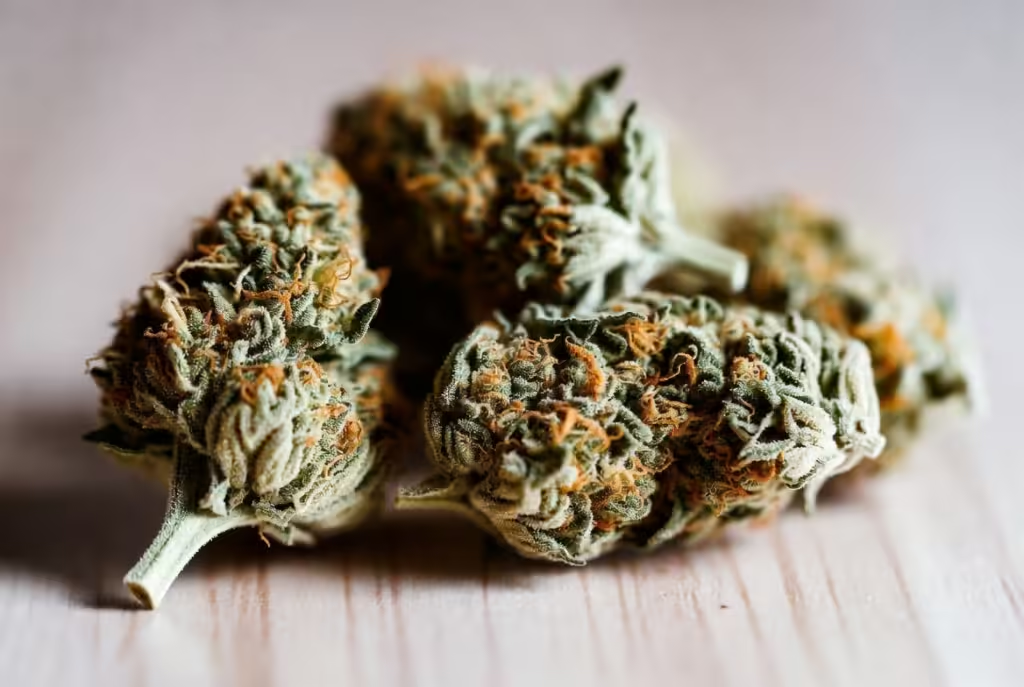
Edible products, however, are different. The cannabis material must undergo decarboxylation before it is infused into oils, butters, chocolates, or gummies. Without this step, the final product would primarily contain the acidic, non-activated forms of the cannabinoids rather than the converted versions.
This pre-processing step is a key reason edible experiences follow different timelines and characteristics compared to inhalation. Licensed producers in regulated markets follow standardized processes to ensure consistency in the final products.
The Chemistry Behind Cannabinoid Activation
Cannabis plants naturally produce cannabinoids in their acidic forms (THCA, CBDA, CBGA, etc.). These acidic versions are the starting point in the plant’s biosynthetic pathways.
Decarboxylation is the bridge that turns these precursor compounds into their better-known forms. The process is temperature- and time-dependent. Too little heat may leave many acidic forms intact, while excessive or poorly controlled heat can degrade the desired compounds.
In commercial production of edibles sold through licensed channels, manufacturers apply controlled conditions to achieve the desired conversion rate. This is one of the reasons lab testing and quality standards are emphasized in Thailand’s regulated cannabis sector.
Decarboxylation in Thailand’s Licensed Cannabis Market
Thailand’s current regulatory framework (2026) requires licensed dispensaries to operate under strict guidelines for product testing and documentation. Edible products available through these channels have typically been processed under controlled conditions that include proper cannabinoid conversion.
When visitors explore product information at licensed locations, they may notice references to total cannabinoid content after processing. Understanding decarboxylation provides useful context for why these numbers reflect the final composition of the product rather than the raw plant material.
Licensed dispensaries such as Haze Buds in Chiang Mai often share educational resources to help customers understand the science behind the products on their shelves. This transparency supports informed decision-making within the legal framework.
Conclusion
Decarboxylation is the essential chemical step that converts cannabinoid acids into their active forms. For edible cannabis products, this process must occur during manufacturing so that the final item contains the converted compounds. In Thailand’s licensed market, regulated production standards help ensure consistency across products.
Learning about this scientific principle offers valuable insight into why edible experiences differ from other methods and why professional processing matters. Educational materials available at licensed dispensaries provide further opportunities to explore these topics.
FAQ Section
What is decarboxylation in simple terms? Decarboxylation is a chemical reaction caused by heat that converts the acidic forms of cannabinoids (such as THCA) found in raw cannabis into their better-known forms (such as THC).
Why is decarboxylation necessary for edible cannabis products? Edibles require the cannabinoids to be in their converted forms before infusion. Without decarboxylation during production, the product would contain mostly inactive acidic compounds rather than the forms created through controlled heating.
How does decarboxylation differ between smoking and edibles? Smoking and vaping cause decarboxylation instantly through high heat during use. Edibles require the cannabis material to be decarboxylated beforehand during manufacturing so the active compounds are already present in the final product.
Do all edible products in Thailand undergo decarboxylation? Licensed edible products sold through regulated dispensaries in Thailand are produced under controlled conditions that include proper processing of cannabinoids. This is part of the quality and testing standards applied in the legal market.
Where can visitors in Chiang Mai learn more about cannabinoid science? Many licensed dispensaries provide educational materials and staff explanations about the processes behind the products they offer. Haze Buds locations often share resources on topics such as cannabinoid activation and product consistency.
Suggested Internal Links
Edibles Explained: A Science-Based Guide for First-Time Consumers | Haze Buds
Thailand Cannabis Laws 2026 Update: Complete Guide for Foreign Tourists