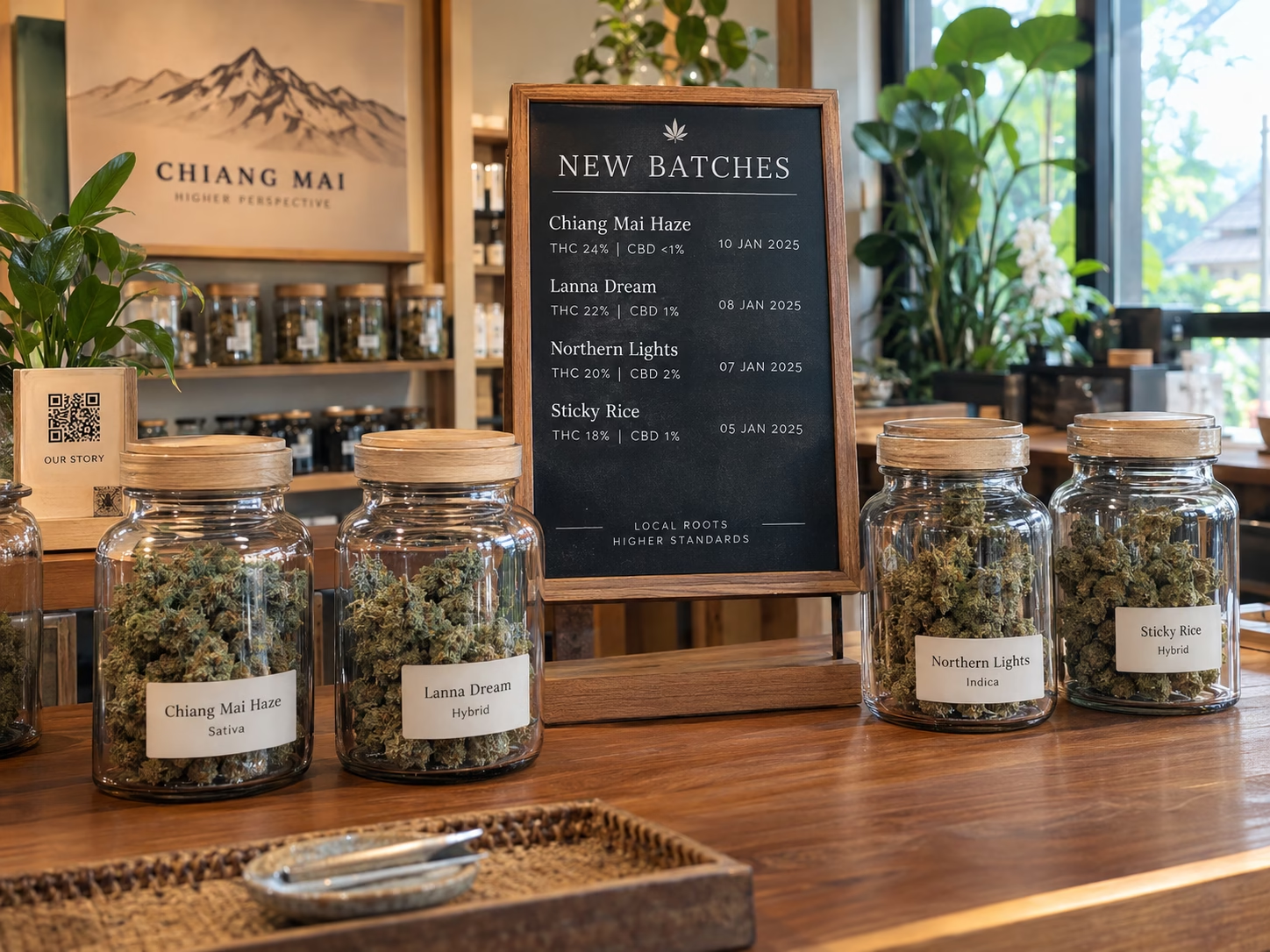
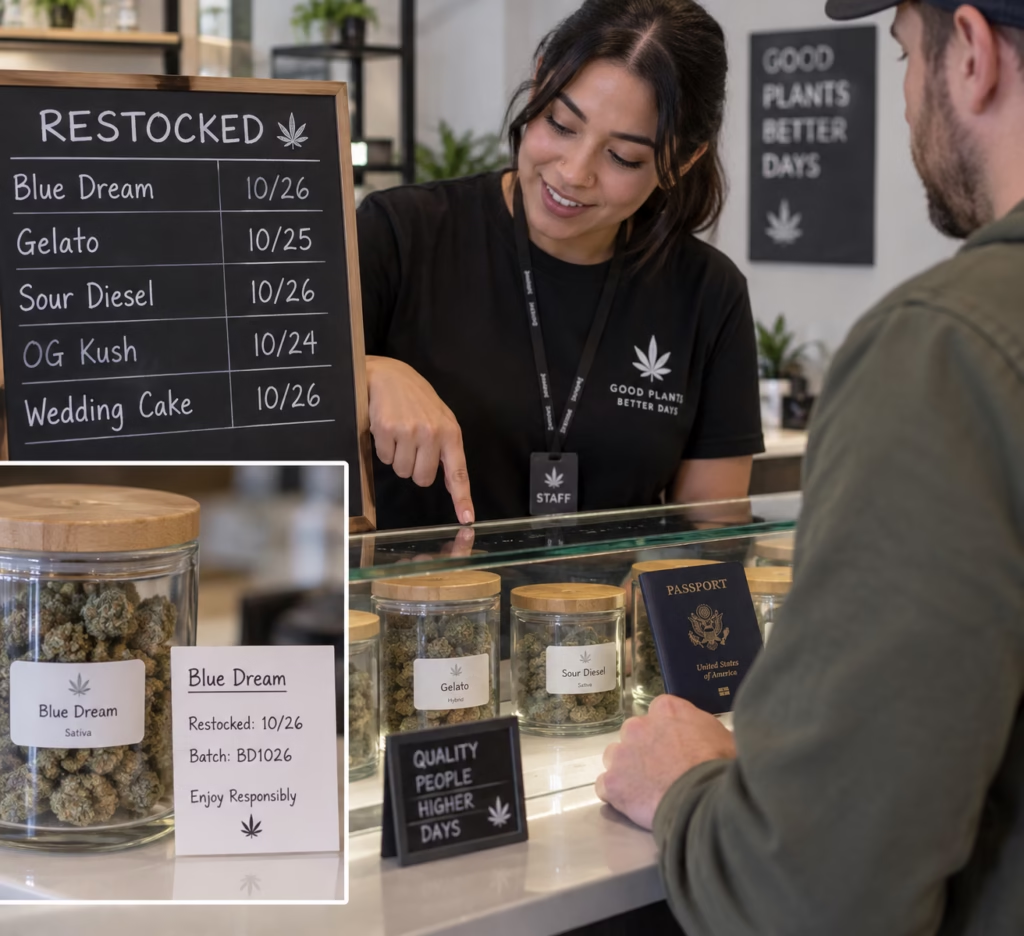
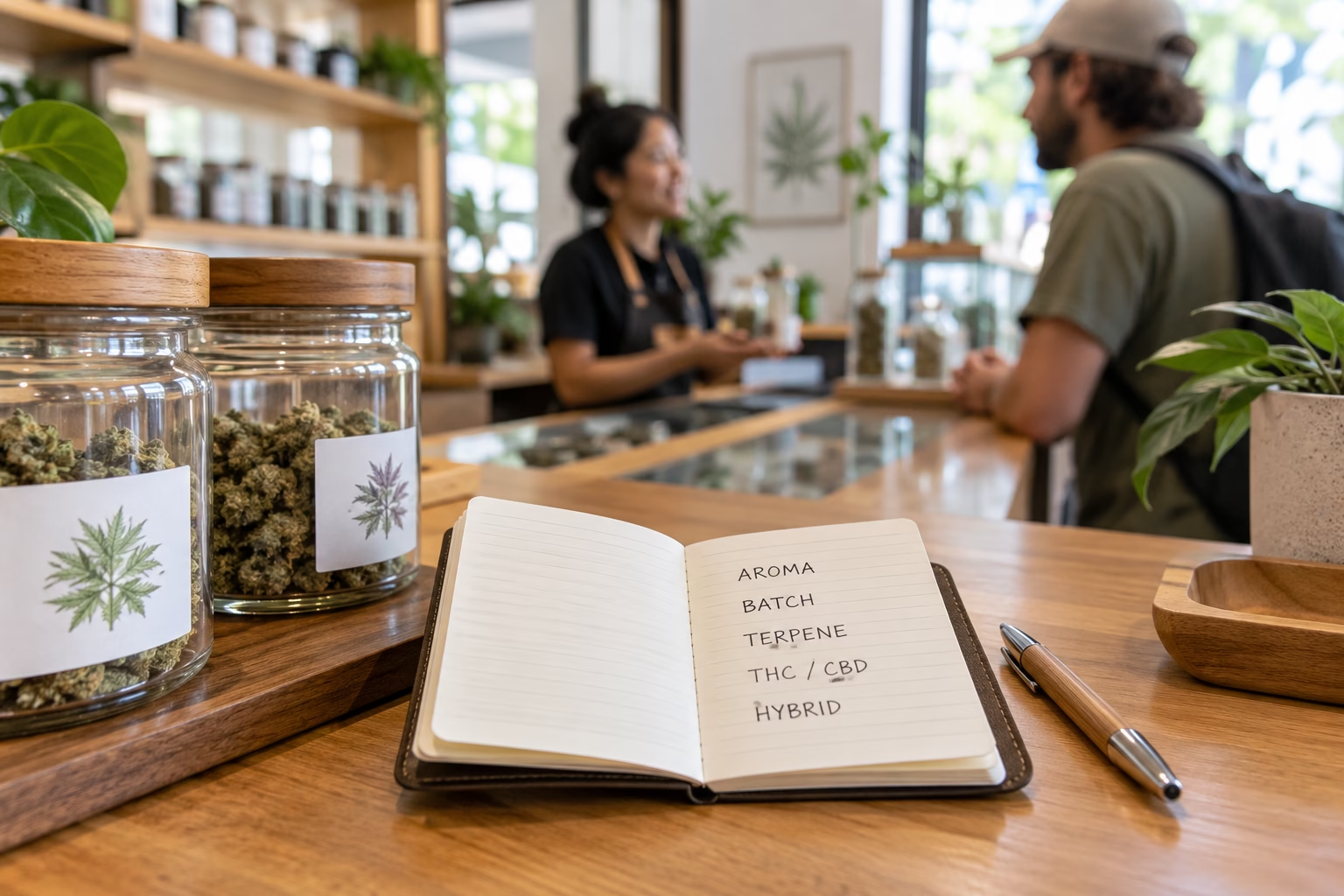
Most licensed shops keep a small board near the menu: NEW, a strain nickname, a date, sometimes a farm line. It is the most glanced-at object in the room after the passport tray.
It is also the most misread. “New” is not a coupon. It is a filing note.
This article is how Haze Buds wants that board read — as inventory news, not as a promotion in the discount sense.
Important disclaimer: Educational only. Not medical advice. Flower and higher-THC products require a Thai-issued PT33, age 20+, and in-person purchase at a licensed dispensary. A new tag does not change the law or create a recreational sale. Use products only in private permitted spaces.
What the board is for
The board answers one question: what landed or returned to this branch recently?
Useful when:
You visited last week and the case looks different
You want to compare a fresh batch with something still on the shelf
Staff are busy and you need a starting point before you ask
It is a headline list. The jar still has to pass the real checks: printed THC/CBD, pack date, structure, aroma.
What the tags usually mean
Wording varies. The ideas repeat.
New / just in A batch arrived at this shop. It may be a name you have never seen, or a restock of a name that sold out.
Restock The same menu name came back. It is not automatically the same harvest as last month. Read the pack date on the jar you are actually buying.
Batch / lot The identifier that ties the jar to a test. If two “new” cards share a name and not a batch, they are not the same drop.
Indoor / greenhouse / living soil Farm-method notes. Optional color. Not a price code.
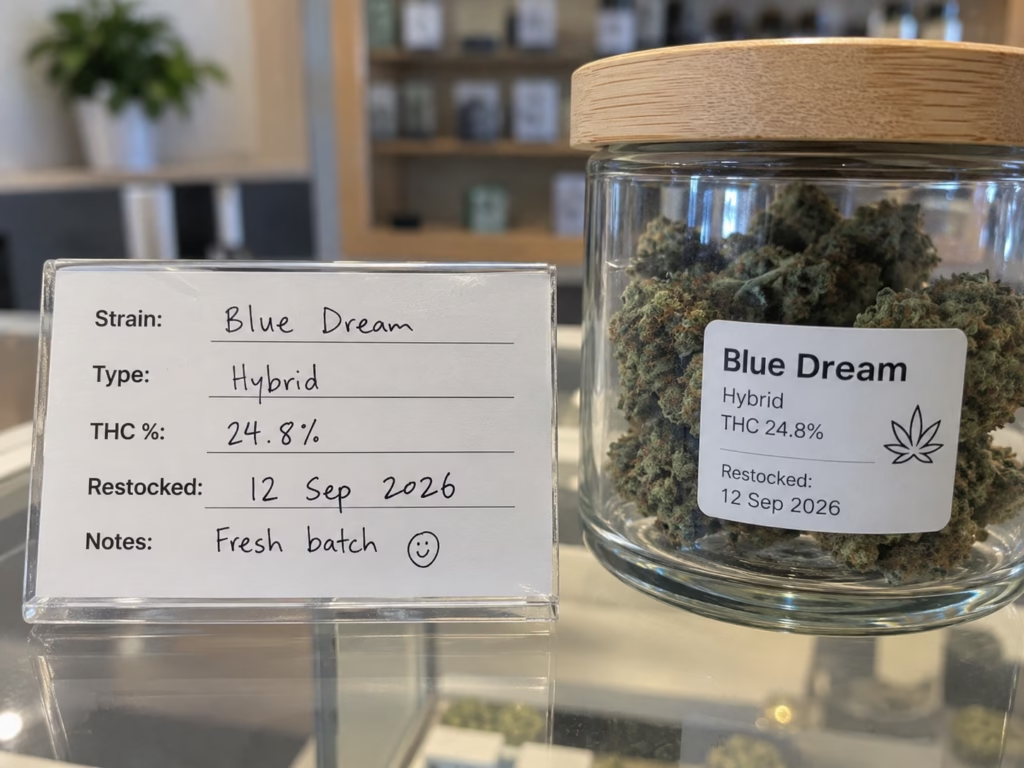
THC / CBD figures The only numbers on the board that matter, and only if they match the sticker on the jar. Boards get copied by hand. Stickers are the source.
Date on the card Ask whether that date is arrival-in-shop, pack date, or test date. Those three are not interchangeable.
What the board is not
The new-arrival board is not:
A sale banner
A promise that new = stronger
A ranking of “best of Chiang Mai”
Permission to skip the PT33 step
Proof the last jar of that name is inferior
A medical recommendation
If a card says NEW in larger letters than the percentages, ignore the typography. Read the percentages.
Haze Buds files promotions separately when there is an actual offer. A restock marker is operations, not a deal.
How to use it with the jar in your hand
A clean use of the board takes less than a minute:
Pick one name that is marked new.
Ask to see that jar, not a cousin with a similar title.
Confirm the board’s THC/CBD against the sticker.
Check pack or test date.
Look at structure and take the brief aroma note staff already use on drops.
Decide against your trip length and prescribed amount.
If the board and the sticker disagree, the sticker wins. Ask staff to correct the card. That is a normal request, not a confrontation.
If two new names are both THC-forward and two points apart, the board has done all it can. Smell decides, or you buy the smaller amount.
Limited, last, and almost gone
Scarcity language is where boards start to sound like promotions.
Limited can mean a small farm run, a single case, or simply Friday afternoon. Ask “limited compared with what?”
Last jar means last jar here. Another branch may still have it. It does not mean you should take more than you need.
Almost gone is a courtesy to people who already wanted that batch. It is not a reason to discover a new desire.
A legal shop would rather sell you a documented smaller amount than empty a limited card into a suitcase.
How Haze Buds writes the board
At Old Town, Chiang Mai Gate, and Sridonchai the board should carry:
Name as printed on the jar
Ratio style or THC/CBD if there is room
Arrival or pack date, labeled as such
Nothing that reads like a health claim
Staff should be willing to say “that card is yesterday’s restock; smell this one.” The board is a starting index. The review method is still label, structure, aroma.
Sunday Walking Street and Saturday Gate nights make the board more useful, because you may not get a long conversation at peak. Use it to form one question, not five.
Bring your passport either way. A new tag does not open a different legal door.
Conclusion
The new-arrival board tells you what changed on the shelf. It does not tell you what to feel, what to pay extra for, or what to finish before your flight.
Read the card. Match it to the sticker. Ignore the volume of the word NEW.
Then buy for the days you actually have.
FAQ
Does “new” mean a discount? No. It means the shop received that batch recently.
Is a restock the same as the last harvest under that name? Not always. Compare pack dates.
Can I reserve a new jar from the board by message? Ask the branch. Inventory moves. A message is not a hold unless staff say it is.
What if the board lists something I cannot find? It sold, or it is at another branch. Ask. Do not treat the card as a guarantee.
Does a new drop skip the consultation? No. Flower still needs a valid PT33.