Full-Spectrum, Broad-Spectrum, and Isolate: Reading CBD Bottles in Thailand
CBD shelves in Chiang Mai use three favorite adjectives: full-spectrum, broad-spectrum, and isolate.
They describe what else besides CBD was left in the extract. They do not describe how you will feel, and they do not replace the THC number on the label.
This is a bottle-reading guide. It is not a Bloom-versus-Diip review and not an oil-versus-gummy timing piece.
Important disclaimer: Educational label literacy only. Not medical advice. CBD products do not cure, treat, or prevent disease. Many low-THC CBD items in Thailand are sold when THC stays under 0.2%. Higher-THC products follow the PT33 path. Age 20+. Licensed shop. Use only in private permitted spaces.
Three words, one job
Think of the extract as a soup.
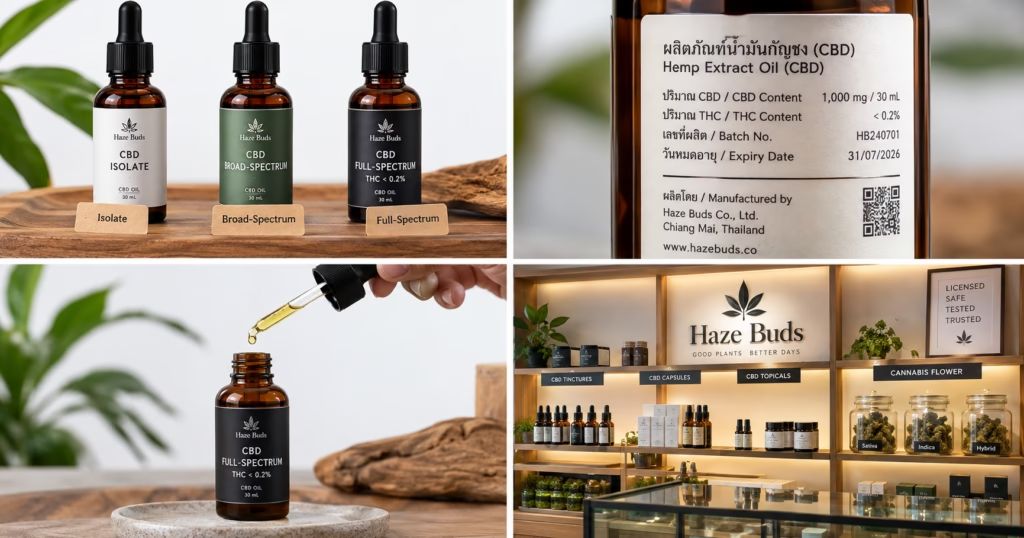
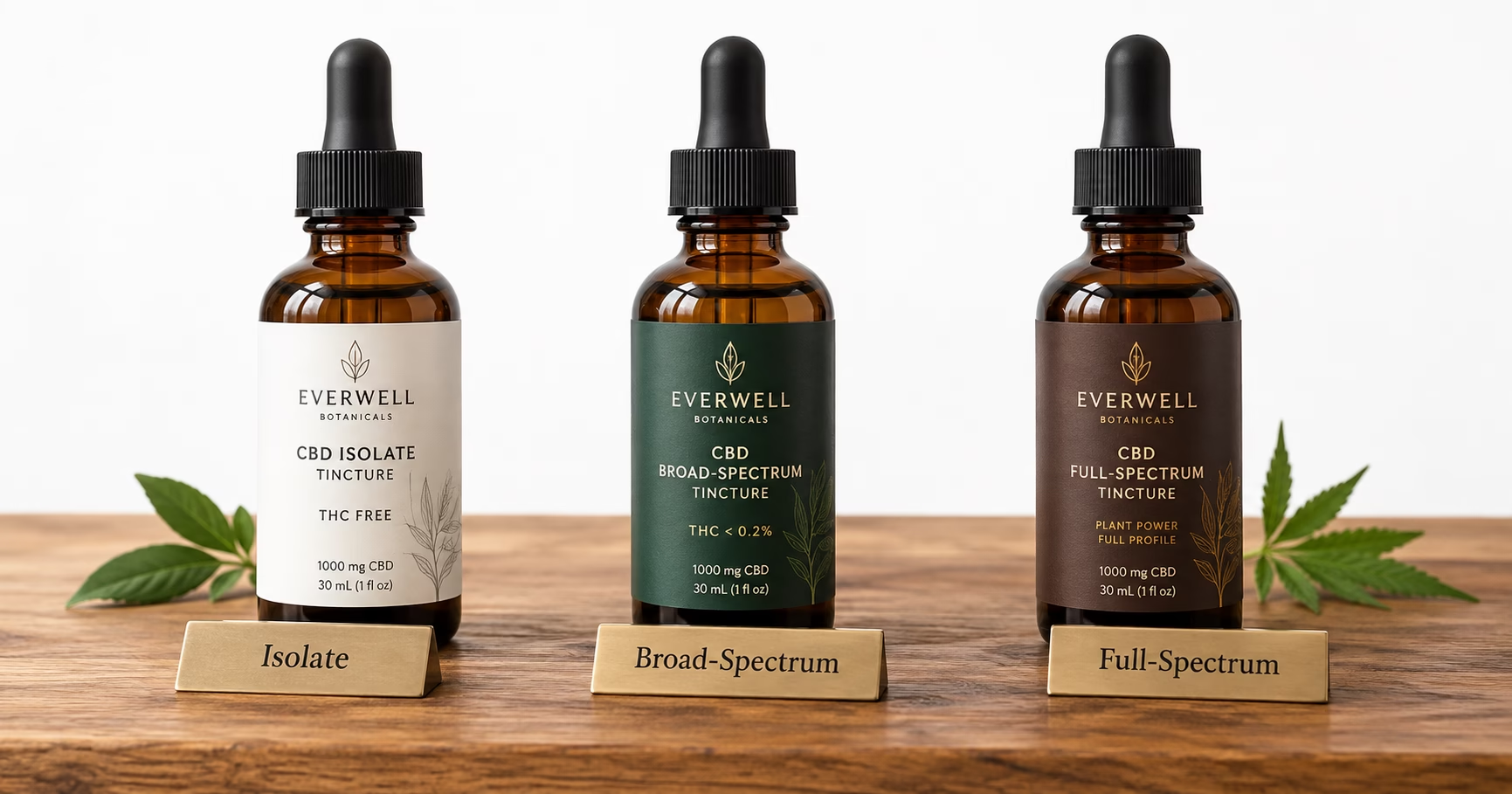
Isolate — one ingredient in the bowl (CBD)
Broad-spectrum — more of the plant’s compounds, with THC removed or reduced below the printed limit
Full-spectrum — a wider slice of the plant’s compounds, which may include a small amount of THC if the label and the law allow it
The marketing department loves “spectrum.” Your job is to find the mg of CBD, the THC figure, and the batch or expiry.
Isolate
Isolate means the producer separated CBD from the rest of the cannabinoid panel.
On a bottle that often looks like:
A high CBD milligram number
THC listed as none, ND (not detected), or a trace under the legal cap
Fewer extra letters (CBG, CBN) on the panel
Isolate is the simplest label to read. It is not “weaker” or “stronger” as a personality. It is a narrower ingredient list.
If the box shouts isolate and the panel still shows a THC percentage above the wellness threshold, believe the panel and ask staff which legal shelf that bottle sits on.
Broad-spectrum
Broad-spectrum is the middle word. Producers use it to mean: other cannabinoids and plant fractions may be present, THC is supposed to be stripped or held to a negligible printed amount.
In practice, broad-spectrum is only as good as the lab line.
Ask:
“Is THC listed as 0%, ND, or a number?”
“Is that number under 0.2%?”
If nobody can point to a figure, the word broad-spectrum is decoration.
Full-spectrum
Full-spectrum means the extract was not stripped down to a single molecule. A full-spectrum CBD oil may include other cannabinoids and a small THC amount.
In Thailand that small amount still has to live inside the product’s legal category.
If THC stays under 0.2%, many bottles are sold as wellness CBD without the same flower rules.
If THC is above that line, you are no longer in “just a CBD bottle” territory. Treat it like other higher-THC products: PT33, licensed dispense, documented quantity.
Full-spectrum is not a synonym for “stronger.” It is not a medical entourage claim. (You will see that phrase on other websites. We will not use it as a health promise.)
It simply means the producer left more of the raw extract in the bottle. Confirm with the panel.
How this meets the 0.2% THC rule
The number visitors need for CBD shopping in 2026 is still THC by weight.
A practical read:
On the bottle
Usual shop conversation
CBD mg listed, THC < 0.2% or ND
Often the low-THC CBD shelf — still ask
Full-spectrum + THC printed under 0.2%
Still a CBD-shelf question, not a flower jar
THC above the wellness cap
PT33 path, like other higher-THC items
No THC line at all
Incomplete — ask for the report
Rules and enforcement details can move. The habit does not: find the THC figure before you trust the spectrum word.
Passport still comes out. Age is still 20+. “It’s only CBD” is not a free pass to skip the question.
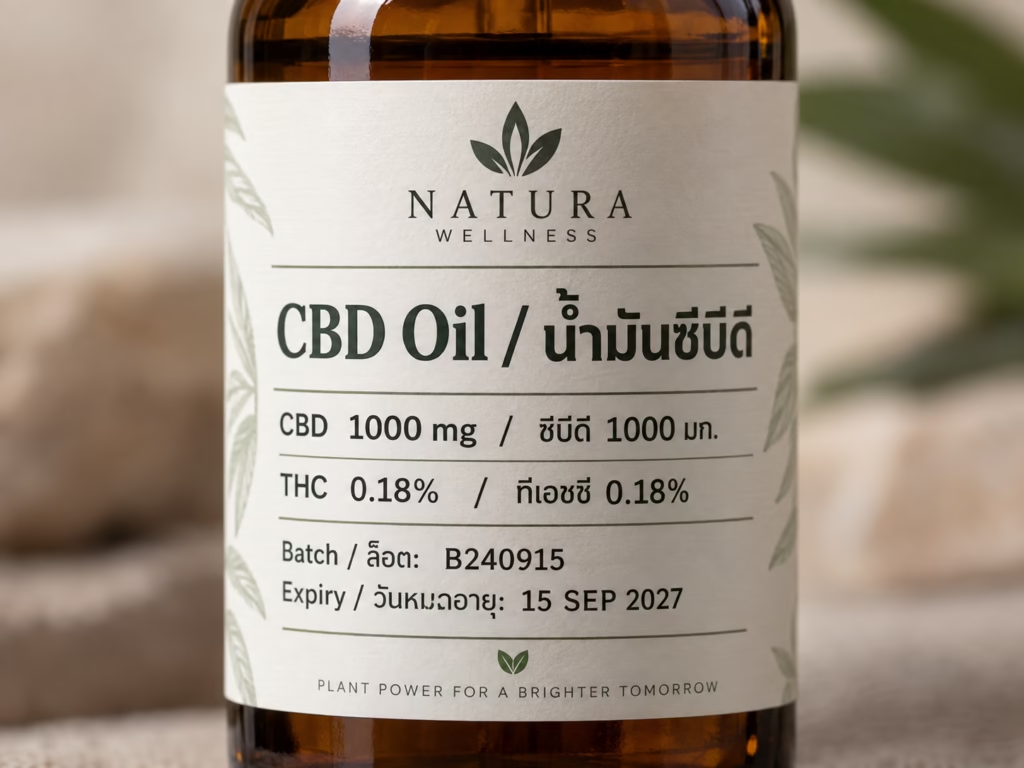
What the bottle still must show
Spectrum language is optional poetry. A usable bottle shows:
CBD amount (mg per bottle or per ml / per serving)
THC amount or a clear ND / <0.2% statement
Volume
Expiry or batch
Producer name
Carrier oil (MCT, hemp seed, olive) tells you texture and taste. It is not a spectrum category.
QR codes that open a real batch report are useful. QR codes that open a brand story are not a test.
What these words do not mean
None of the three words mean:
The oil treats sleep, pain, or stress
You can fly the bottle into every country
You should take more because it is “full”
Isolate is fake
Full-spectrum is automatically better value
Price follows brand, volume, and mg as much as it follows spectrum. Compare milligrams and dates, then decide whether the extra letters matter to you.
Asking at Haze Buds
A short script that keeps the visit legal and dull in the right way:
“Is this isolate, broad-spectrum, or full-spectrum?”
“What THC figure is on this batch?”
“Does this bottle need a PT33?”
“How many mg of CBD are in the bottle versus in a dropper?”
Staff at Old Town, Chiang Mai Gate, and Sridonchai should answer those four. They should not answer “which spectrum fixes my jet lag.”
If you already came in for flower, keep the two shelves separate in your head. A CBD bottle and a THC-forward jar are different products with different paperwork.
Conclusion
Full-spectrum, broad-spectrum, and isolate describe how much of the plant extract remains next to the CBD.
In Thailand, the sentence that still runs the shelf is the THC number, especially the 0.2% wellness line.
Read mg. Read THC. Read the date. Ignore the poetry if the panel is missing.
FAQ
Is full-spectrum legal without a PT33? Only if that bottle’s THC stays in the low-THC CBD category. Ask staff to show the figure. If THC is higher, use the prescription path.
Does isolate mean there is no THC? It usually means THC is absent or not detected on that test. Confirm on the label.
Which spectrum tastes better? Isolate is often more neutral. Full-spectrum can taste more “plant.” That is flavor, not a health rating.
Can I take any of these bottles through airport security into another country? Destination law decides. Thailand legality does not travel with you. When in doubt, do not pack it.
Is this the same as Bloom vs Diip? No. That article compares brands. This one compares label categories.