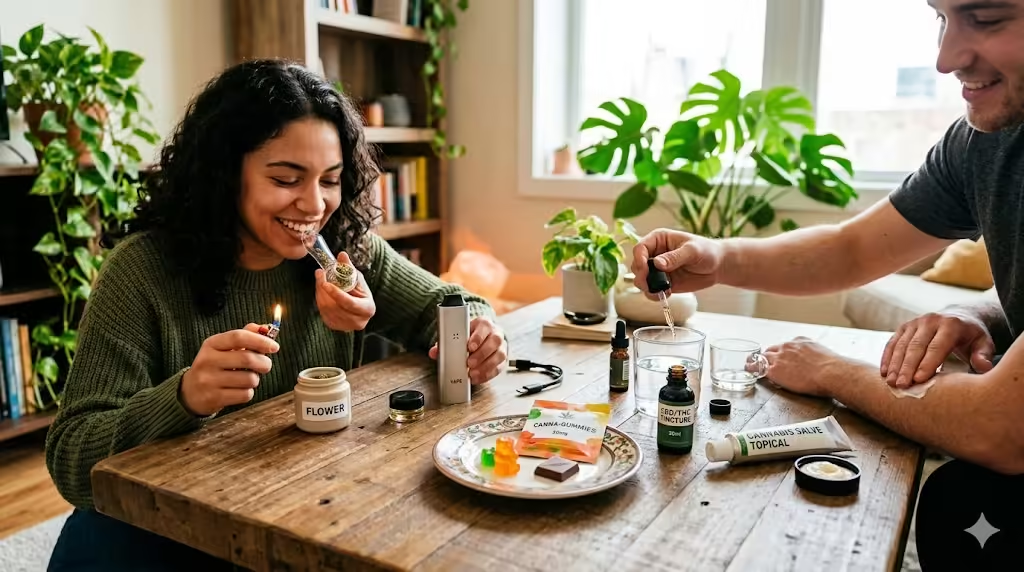
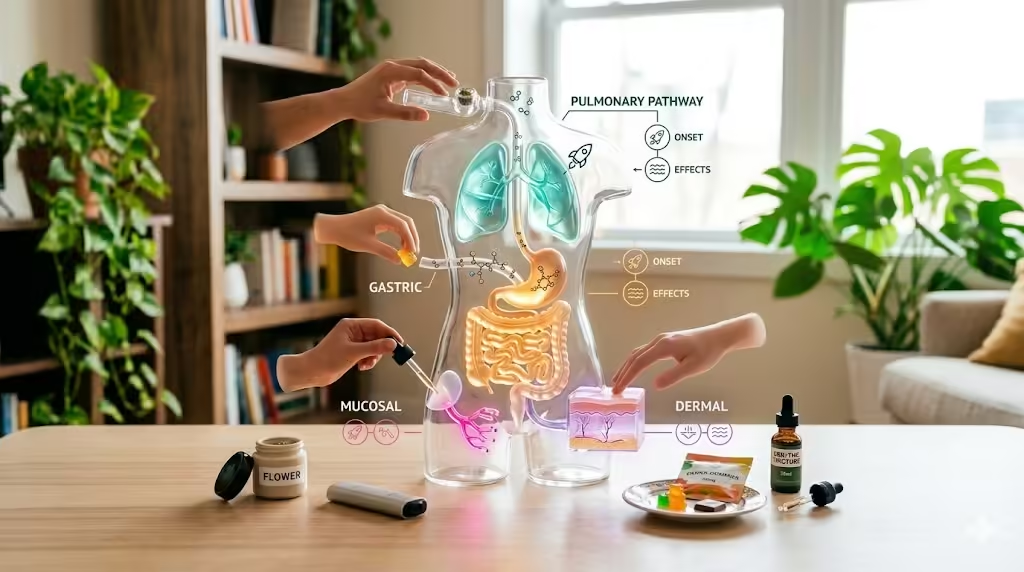
When analyzing the botanical properties of the plant, it is essential to understand the common methods of cannabis consumption and how they dictate the physiological experience. In the 2026 landscape of research, we have moved beyond simple “use” to a nuanced understanding of “pharmacokinetics”—how the body moves a substance through its systems.
The method an individual chooses changes the chemical form the cannabinoids take, how quickly they reach the brain, and how long they remain active. This guide provides a neutral, science-based exploration of the four primary delivery methods.
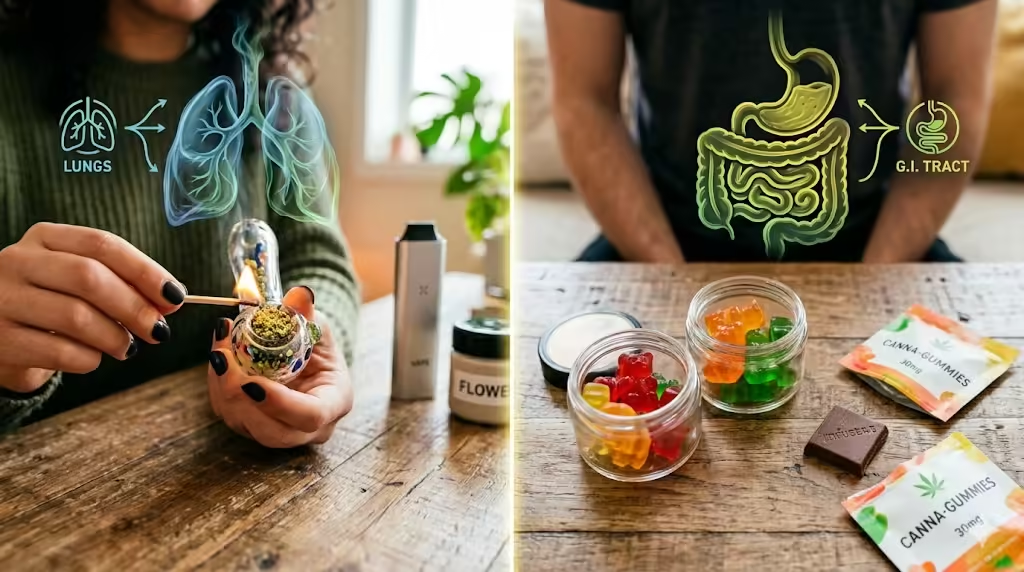
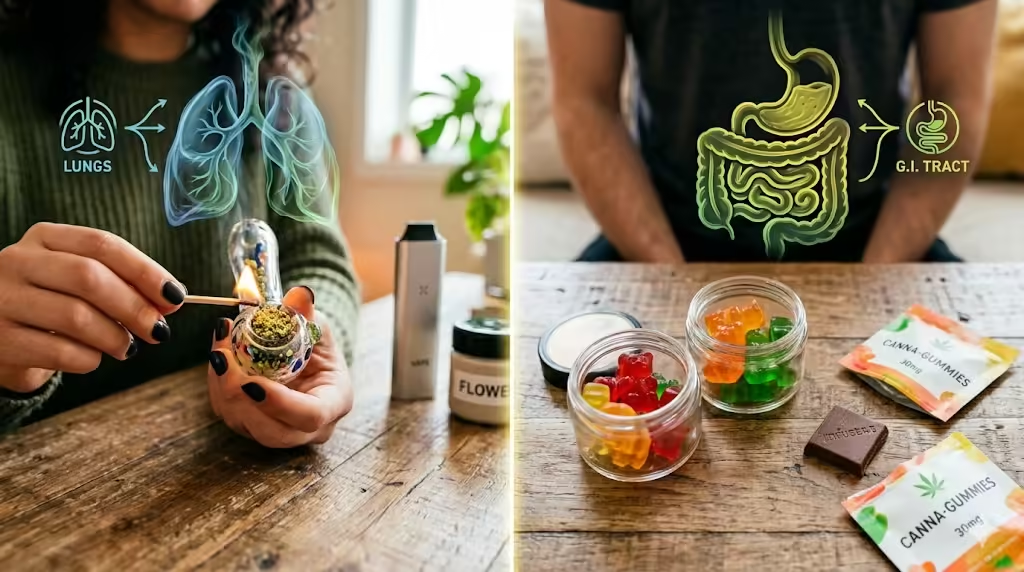
Inhalation remains the most recognized method of interaction. This includes both traditional combustion (smoking) and modern vaporization.
When cannabinoids are inhaled, they enter the lungs and pass through the alveoli directly into the bloodstream.
Onset: 2 to 10 minutes.
Duration: 1 to 3 hours.
Bioavailability: Relatively high (10%–35%), though much is lost to the environment during the process.
Botanical Note: Inhalation provides the most immediate feedback loop, allowing for a rapid understanding of how a specific strain’s terpene profile interacts with an individual’s biology.
Ingestion refers to any product that is swallowed, including infused foods (edibles), capsules, and beverages.
Unlike inhalation, ingested cannabis must pass through the digestive tract and the liver.
The Liver’s Role: Liver enzymes convert Delta-9-THC into 11-Hydroxy-THC, a metabolite that is more potent and crosses the blood-brain barrier more efficiently.
Onset: 30 to 120 minutes.
Duration: 6 to 12 hours.
Botanical Note: Due to the “first-pass metabolism” in the liver, the physiological experience of an edible is often described as more “physical” and longer-lasting than other methods.
This method involves placing oils, tinctures, or specialized strips under the tongue or against the cheek (buccal).
Cannabinoids are absorbed through the mucous membranes in the mouth, which are rich in capillaries.
Onset: 15 to 45 minutes.
The Advantage: This method bypasses the digestive system and the liver’s first-pass metabolism, leading to a faster onset than edibles but a more gradual experience than inhalation.
Topicals include creams, balms, and lotions applied to the skin.
Topicals: Interact with CB2 receptors in the skin’s sensory nerves and immune cells. They typically do not enter the bloodstream, meaning they provide localized interaction without psychoactive effects.
Transdermal Patches: Designed with chemicals that help cannabinoids permeate the skin layers to reach the bloodstream for a slow, steady systemic release over 12 to 24 hours.
Understanding these methods requires looking at the “Bioavailability”—the percentage of the substance that reaches the systemic circulation.
| Method | Bioavailability | Onset | Duration |
| Inhalation | 10% – 35% | 2 – 10 Min | 1 – 3 Hours |
| Ingestion | 4% – 12% | 30 – 120 Min | 6 – 12 Hours |
| Sublingual | 15% – 25% | 15 – 45 Min | 4 – 6 Hours |
| Topical | Localized | 15 – 60 Min | 2 – 4 Hours |
No two people will process these common methods of cannabis consumption identically. Factors such as body mass index (BMI), metabolic rate, genetic expression of liver enzymes (like CYP2C9), and even recent dietary choices (especially fat intake) play a significant role in how these methods manifest.
Choosing a method of interaction is a matter of understanding one’s own physiological needs and boundaries. Whether seeking the rapid onset of inhalation or the localized, non-psychoactive interaction of a topical, the key is literacy. By understanding the pathways—pulmonary, gastric, mucosal, or dermal—an individual can navigate the world of cannabis with clarity and scientific grounding.
This content is for strictly educational and informational purposes only. It does not constitute medical or legal advice. Haze Buds does not encourage the use of cannabis where it is illegal. Different methods of consumption carry different risks, particularly regarding delayed onset in edibles. Always consult with a healthcare professional before introducing any new substance into your routine, and ensure you are in compliance with all local laws and regulations regarding cannabis.
Copyright © 2023 Haze Buds | Powered by C&R Group
