Cannabis Aroma Identification: Learning to Recognize Common Smells and What They Indicate
Aroma is one of the most immediate and informative characteristics of cannabis flower. Different scents arise from compounds called terpenes, and learning to recognize these aromas can help you better understand the flower you are evaluating.
This guide provides a practical introduction to cannabis aroma identification, focusing on common smell profiles and what they may indicate about the plant’s chemical makeup and handling.
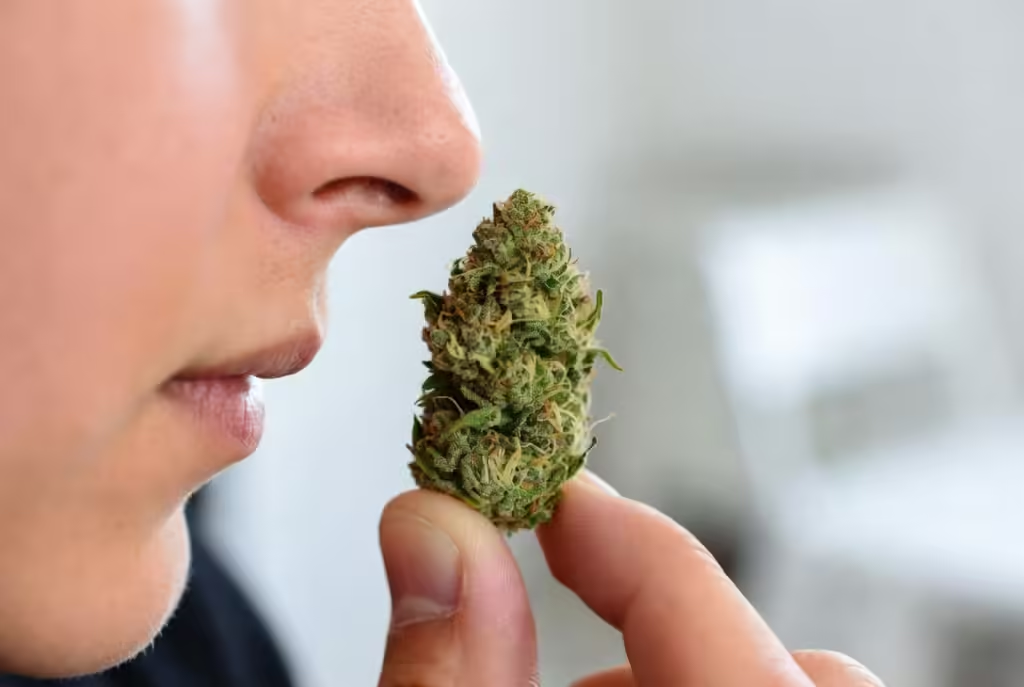
How to Properly Smell Cannabis Flower
When evaluating cannabis at a licensed dispensary, there is a recommended way to assess aroma:
Hold the bud a short distance from your nose rather than pressing it directly against it.
Take a gentle first sniff to note the overall impression.
Then take a deeper second sniff to detect more subtle notes.
This two-step approach helps prevent overwhelming the senses and allows for clearer identification of different aromatic layers.
Common Cannabis Aroma Categories
Cannabis aromas generally fall into several recognizable categories. Here are some of the most frequently encountered profiles:
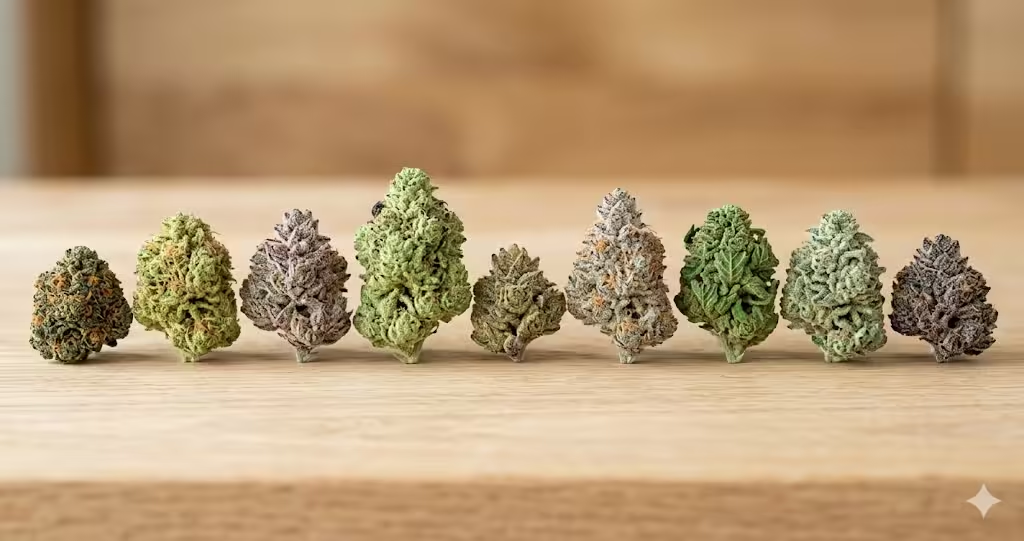
Earthy and Woody: Often associated with terpenes such as myrcene and pinene. These scents can remind people of damp soil, forest floor, or fresh pine.
Citrus and Fruity: Commonly linked to limonene. Smells may range from lemon and orange to sweeter tropical notes.
Pine and Herbal: Strongly connected to pinene. These aromas often resemble fresh pine needles or rosemary.
Sweet and Floral: Frequently related to linalool. These can evoke lavender, rose, or general sweetness.
Diesel, Skunky, or Gassy: These sharper, more intense profiles are produced by specific combinations of terpenes and are often described as fuel-like or pungent.
Recognizing these broad categories is a useful starting point for aroma identification.
What Different Smells Can Indicate
Aroma can provide clues about the flower’s condition and development:
Strong, vibrant, and strain-specific aromas usually suggest good terpene preservation and proper curing.
A fresh, clean scent often indicates careful post-harvest handling.
Hay-like, musty, or ammonia-like smells may point to improper curing, excess moisture, or age.
At licensed dispensaries, staff can often provide additional context about how a particular batch was grown and cured, which helps connect aroma observations to the product’s background.
Aroma Identification at Licensed Dispensaries in Chiang Mai
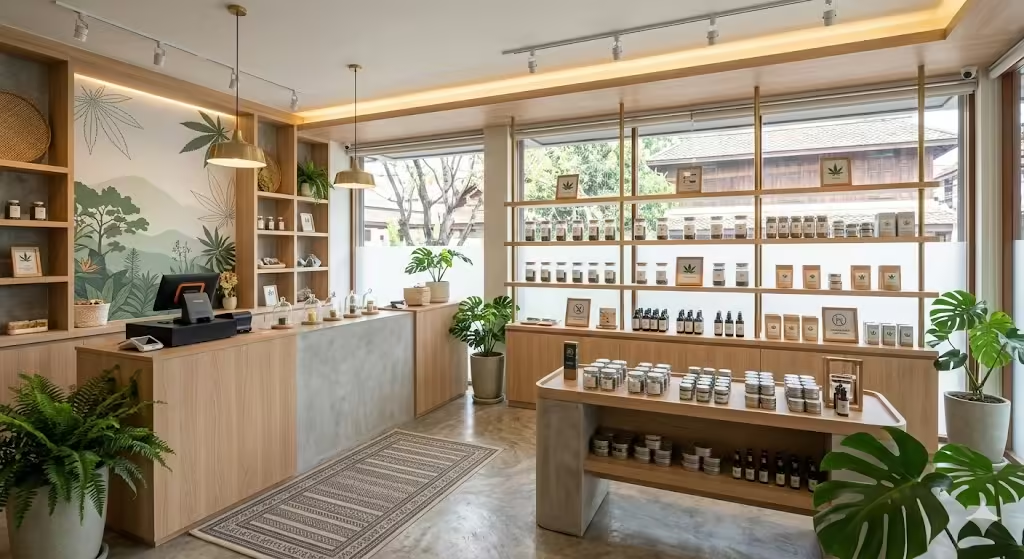
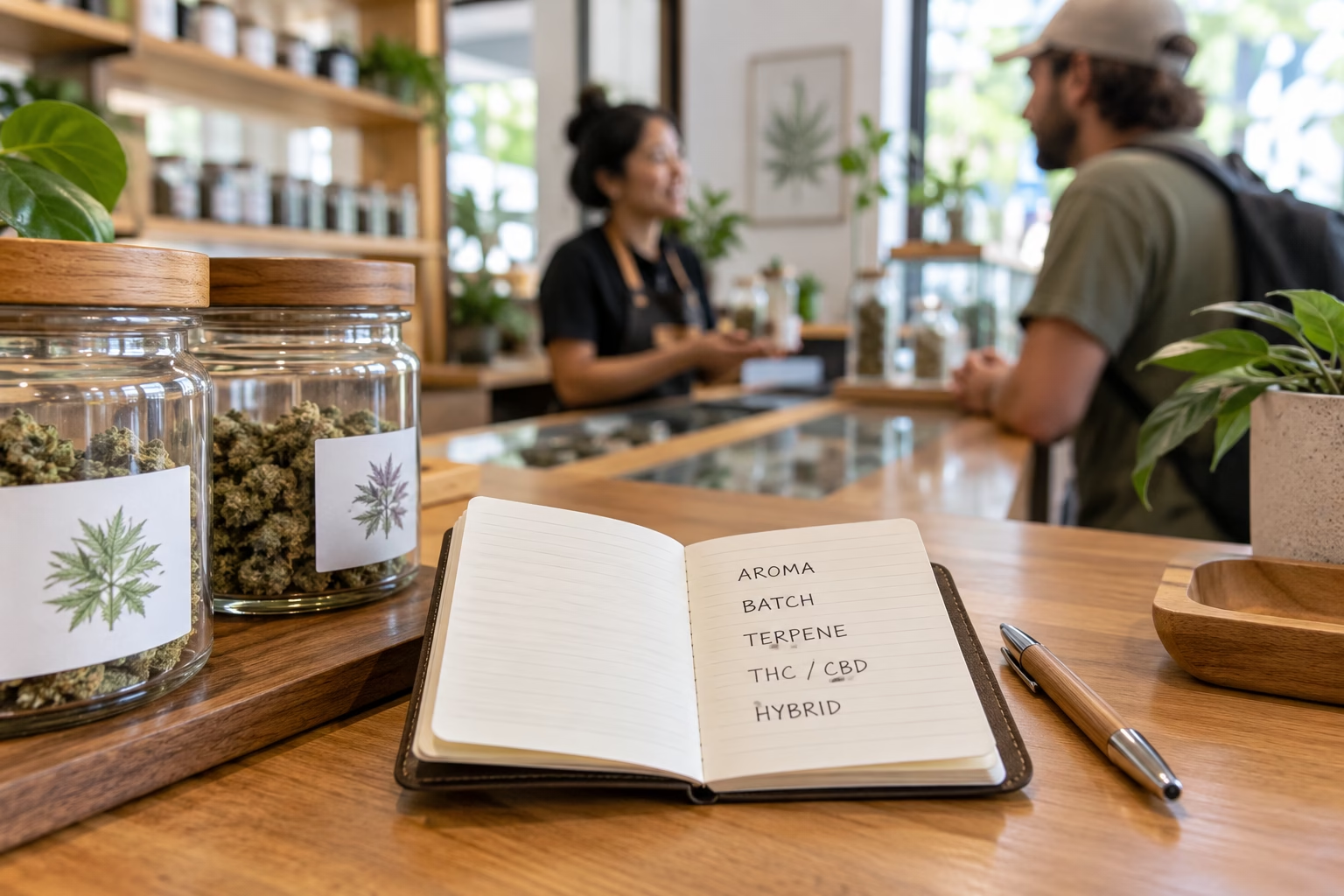
Many licensed dispensaries in Chiang Mai allow customers to smell flower samples before making selections. This practice supports informed evaluation within the regulated market.
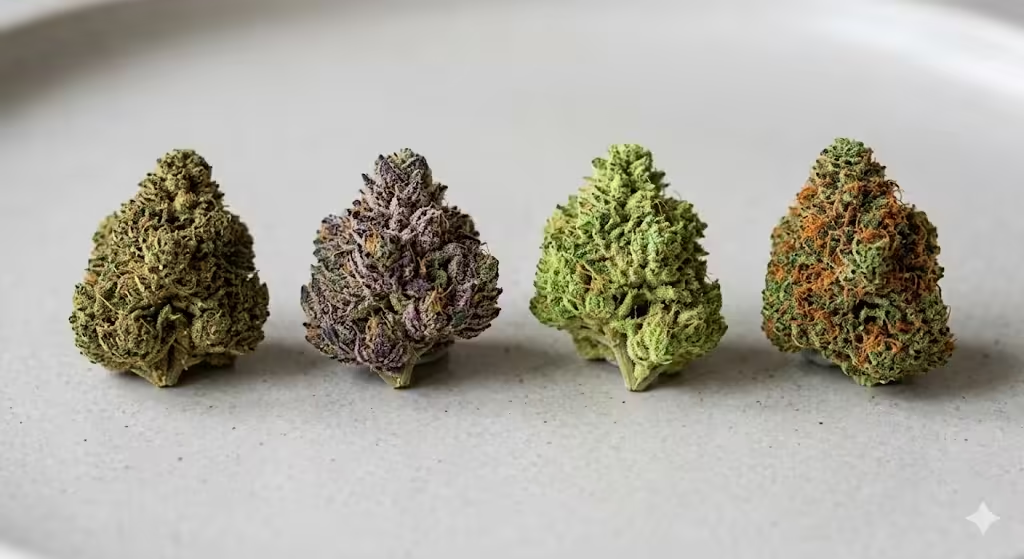
When visiting shops such as Haze Buds, take time to smell several different flowers side by side. Comparing aromas helps train the nose to distinguish between profiles and better understand the range of options available.
Connecting Aroma to Terpenes
Terpenes are the primary compounds responsible for cannabis aroma. Each terpene has its own scent profile, and most flowers contain a combination of several terpenes working together.
Learning basic aroma categories is an accessible way to begin exploring terpene diversity. For those who want to go deeper, many licensed dispensaries provide information about dominant terpenes in specific products.
Conclusion
Cannabis aroma identification is a practical skill that enhances the ability to evaluate flower quality and chemical characteristics. Common smell categories often correspond to specific terpenes, while off-putting aromas can sometimes indicate issues with curing or storage.
Taking time to observe and compare aromas at licensed dispensaries in Chiang Mai can lead to a more informed and educational experience when exploring cannabis products in Thailand’s regulated market.
FAQ Section
What causes the different smells in cannabis? The aromas come primarily from terpenes, which are aromatic compounds produced in the plant’s trichomes. Different combinations of terpenes create the wide variety of scents found across different flowers.
How should I smell cannabis flower to identify aromas properly? Hold the bud a short distance from your nose and take two gentle sniffs — a light first sniff followed by a deeper second one. This helps detect both the overall profile and more subtle notes.
What does a hay-like or musty smell usually indicate? These scents often suggest that the flower was not cured or stored properly. Fresh, well-handled cannabis typically has a vibrant, strain-specific aroma rather than a dry or off smell.
Can I smell cannabis at licensed dispensaries in Chiang Mai? Many licensed dispensaries allow customers to smell flower samples as part of the evaluation process. This is a common practice that supports informed decision-making within the regulated market.
Do all strains have unique aromas? While there is significant variation, many strains share similar aroma categories based on their dominant terpenes. Learning to recognize broad profiles (citrus, earthy, pine, etc.) is a helpful first step in aroma identification.
Suggested Internal Links
Sweet, Fruity, or Gas? A Guide to Chiang Mai’s Best Terpenes
Terpene Tasting 101: How to Choose the Right Strains Like a Pro at a Dispensary in Thailand
Thailand Cannabis Laws 2026 Update: Complete Guide for Foreign Tourists
A Practical Guide to Identifying High-Quality Cannabis Flower in Chiang Mai Dispensaries