In the study of botanical compounds, consuming too much cannabis refers to a state where the concentration of cannabinoids exceeds an individual’s specific physiological comfort zone. While cannabis is historically recognized for having a high safety profile regarding lethal toxicity in humans, it is entirely possible to consume an amount that results in significant temporary physical and psychological distress.
As cannabis potency and delivery methods (such as high-concentration edibles and extracts) continue to evolve in 2026, understanding the biological boundaries of the plant is a critical component of pharmacological literacy. This guide provides a neutral, educational look at what happens when the body is introduced to an excess of THC and how those effects manifest.
1. The Biological Mechanism: Receptor Saturation
The human body interacts with cannabis via the Endocannabinoid System (ECS), specifically the CB1 and CB2 receptors.
CB1 Receptors: Located primarily in the brain and central nervous system.
Saturation: When an individual consumes a standard amount of THC, it binds to these receptors to produce the sought-after effects. However, when consuming too much cannabis, these receptors can become “saturated” or over-stimulated.
The Result: This over-stimulation can disrupt the body’s homeostatic balance, leading to the signals for heart rate, coordination, and anxiety levels becoming temporarily erratic.
2. The Biphasic Effect: The “Bell Curve” of Response
In pharmacology, the “biphasic effect” means that a substance can produce two opposite effects depending on the dose.
Low Dose: May promote relaxation and sensory enhancement.
High Dose: May trigger the exact opposite—agitation, rapid heart rate (tachycardia), and sensory overload.
Understanding this curve is essential for beginners. More of the plant does not necessarily mean an “increased” version of the initial feeling; it can often lead to a completely different, uncomfortable physiological state.
3. Identifying Symptoms of Overconsumption
Symptoms of having consumed too much can be categorized into physical and cognitive responses:
Physical Symptoms:
Tachycardia: A notable increase in heart rate.
Orthostatic Hypotension: A sudden drop in blood pressure, which can cause dizziness when standing up.
Nausea/Vomiting: Often referred to colloquially as “greening out.”
Dry Mouth and Eyes: Highly intensified versions of standard side effects.
Cognitive Symptoms:
Increased Unease: Feelings of nervousness or hyper-vigilance.
Temporal Distortion: A significant slowing down of perceived time.
Cognitive Fog: Difficulty following a train of thought or communicating clearly.
4. Why Overconsumption Happens: Common Risk Factors
Certain delivery methods and biological variables increase the likelihood of consuming too much cannabis:
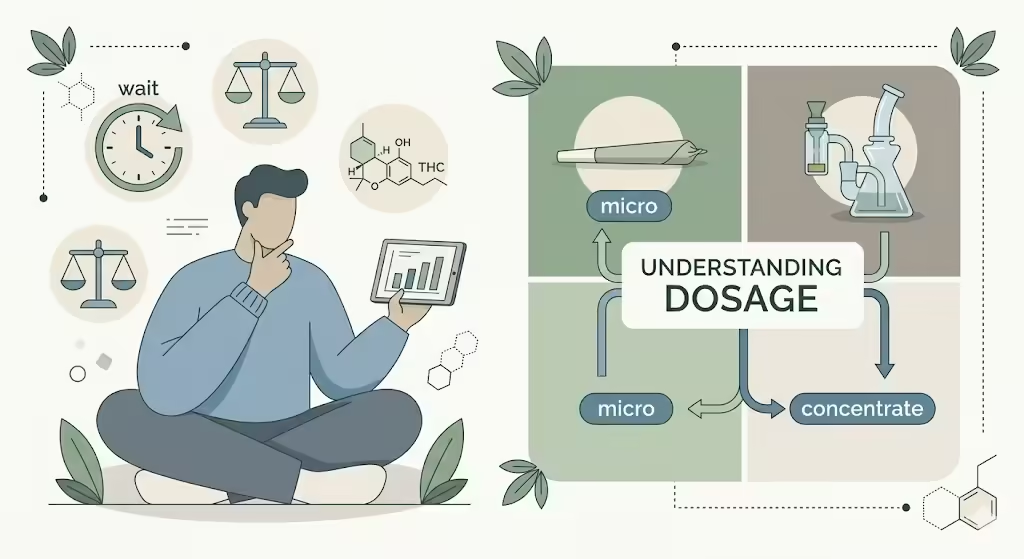
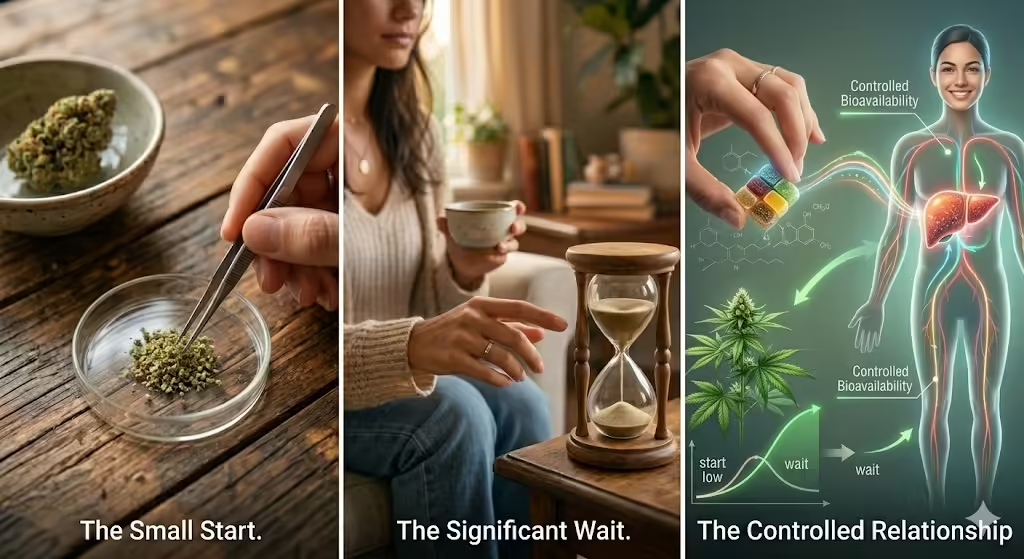
Edibles and the Delay: Because edibles must pass through the liver, the onset is delayed (30–120 minutes). Many consumers make the error of “redosing” because they do not feel an immediate effect, leading to a massive “stacked” peak several hours later.
Inexperience with High Potency: Utilizing products with 25%+ THC without established biological familiarity.
Individual Tolerance: A person’s “comfort dose” can change based on sleep, hydration, and whether they have eaten.
5. Navigating the Experience: Science-Based Management
If an individual finds they have exceeded their threshold, the focus should shift to physiological stabilization.
Hydration and Glucose: Drinking water and consuming a light snack can help stabilize blood pressure and blood sugar levels, which often fluctuate during overconsumption.
The Terpene Buffer: Some research suggests that certain terpenes, like Alpha-Pinene (found in pine nuts) or Caryophyllene (found in black pepper), may help modulate the intensity of THC’s binding to CB1 receptors. Sniffing black pepper is a common anecdotal suggestion that has some grounding in terpene science.
CBD (Cannabidiol): As a functional antagonist to THC, CBD can physically block some THC molecules from binding to receptors, potentially “softening” the intensity of the experience.
6. The Duration of Discomfort
While uncomfortable, it is important to note that the effects of consuming too much cannabis are temporary.
Inhalation: Discomfort typically peaks within 30 minutes and subsides within 1–3 hours.
Ingestion (Edibles): Because of the liver’s conversion of THC into the more potent 11-Hydroxy-THC, the discomfort can last significantly longer, sometimes 6 to 12 hours.
7. Conclusion: The Importance of Titration
The most effective way to avoid overconsumption is through titration—the process of starting with a very small amount and waiting a significant amount of time before considering more. By understanding the biphasic nature of the plant and respecting the metabolic timeline of the liver, an individual can maintain a controlled and educated relationship with the botanical compounds they choose to explore.
Disclaimer
This content is for strictly educational and informational purposes only. It does not constitute medical or legal advice. Haze Buds does not encourage the use of cannabis where it is illegal. Overconsumption of THC can lead to severe temporary distress, and individuals with underlying heart or mental health conditions should exercise extreme caution. If symptoms persist or become severe, seek professional medical attention immediately. Always ensure compliance with all local laws and regulations.