Cannabis Strains: What Beginners Should Know Before Choosing
Introduction: Navigating the Botanical Landscape
In the contemporary study of botany, cannabis strains represent a vast and diverse spectrum of chemical profiles and physical characteristics. For the observer entering a modern dispensary in 2026, the sheer volume of names—ranging from fruit-inspired titles to complex alphanumeric codes—can be daunting.
However, understanding cannabis strains is not about memorizing names; it is about understanding the underlying biology of the plant. This guide provides a neutral, educational foundation on how strains are categorized and what defines the differences between one plant and another.
1. Defining the Terms: Strains vs. Cultivars
While the term “strain” is commonly used in the industry, in the world of horticulture, these are more accurately called cultivars (cultivated varieties). A cannabis strain is a specific genetic variant of the plant that has been bred to express certain traits, such as a particular aroma, a high concentration of a specific cannabinoid, or a unique leaf structure.
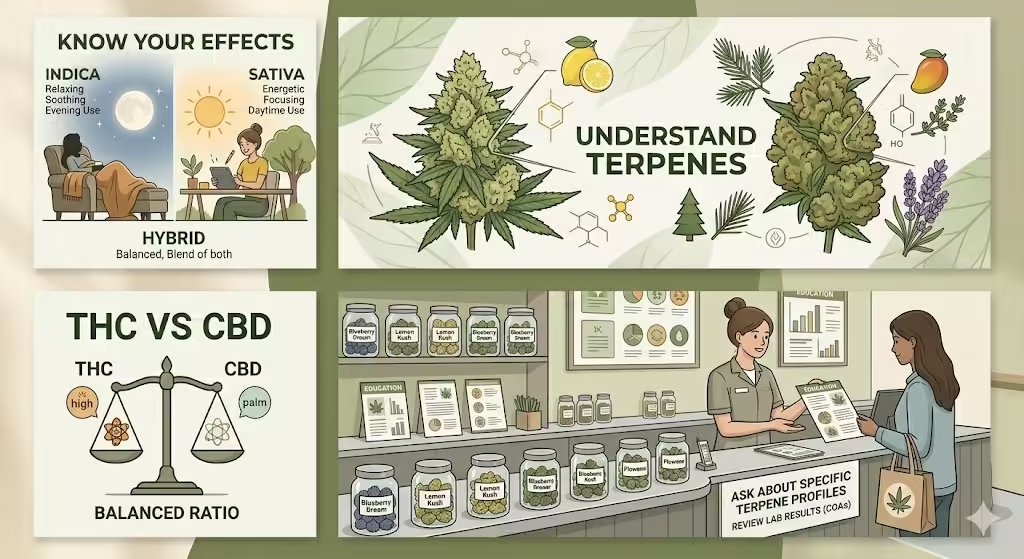
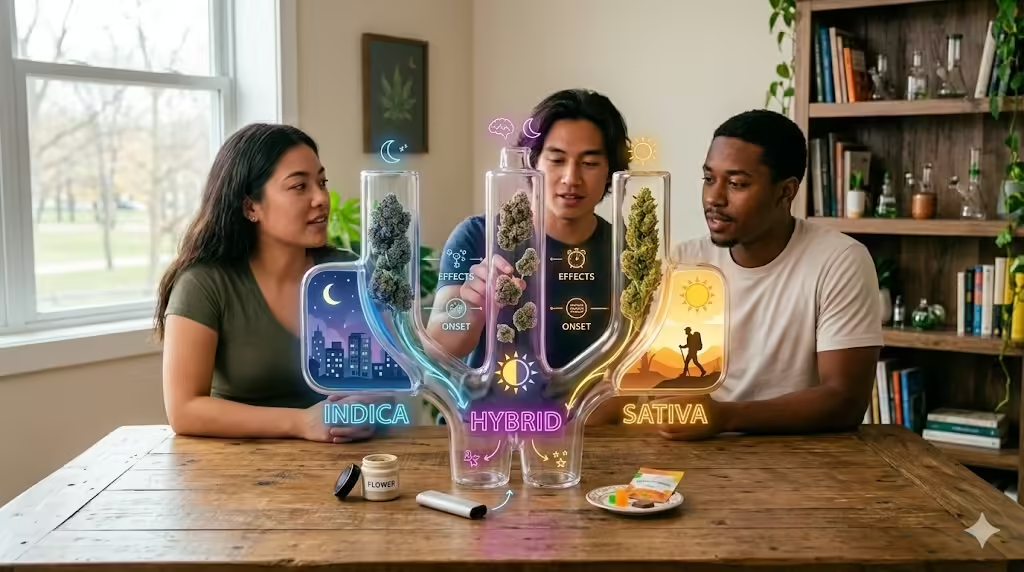
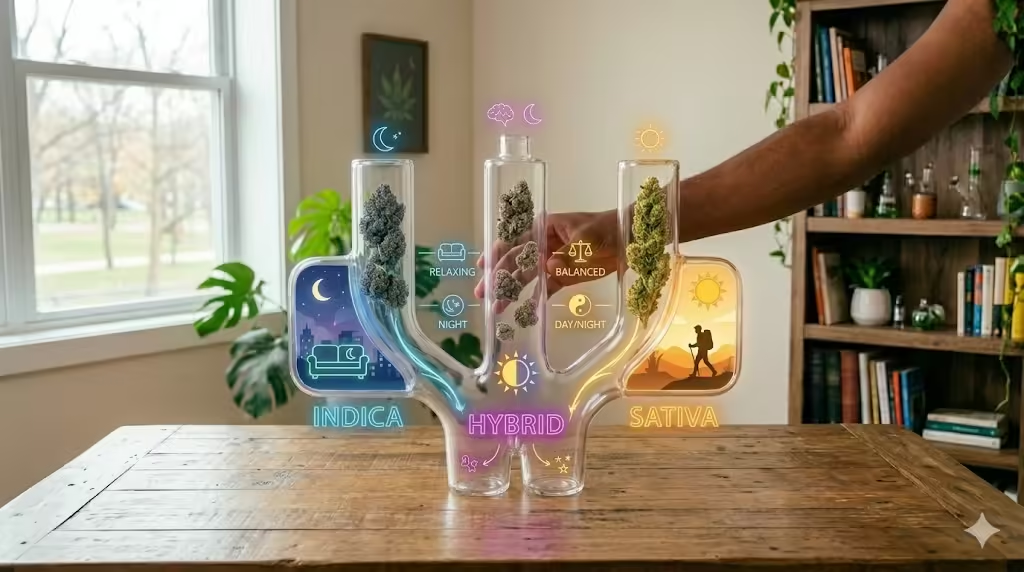
2. The Traditional Categories: Sativa, Indica, and Hybrid
Historically, the cannabis industry has relied on three primary categories to help individuals navigate the menu.
Cannabis Sativa
Physical Traits: Tall stature, narrow leaves, and longer flowering cycles.
Origin: Originally thrived in equatorial regions (Africa, Central America, Southeast Asia).
Traditional Association: Often associated with uplifting or “cerebral” experiences.
Origin: Native to the cooler, mountainous regions of the Hindu Kush.
Traditional Association: Often associated with relaxing or “physical” experiences.
Hybrids
Most modern cannabis strains are hybrids—a genetic cross between Sativa and Indica parents. Breeders create hybrids to “balance” the characteristics of the two, resulting in plants that may offer a mix of traits.
3. The Move Toward Chemovars: A Scientific Shift
In 2026, researchers have noted that the “Sativa vs. Indica” distinction is often an oversimplification. Two plants can look like Indicas but have completely different chemical effects.
Scientists now prefer the term Chemovars (chemical varieties), which categorizes plants into three types:
Type I: High THC, low CBD.
Type II: Balanced ratio of THC and CBD (e.g., 1:1).
Type III: High CBD, low THC (often referred to as hemp-dominant).
4. Understanding the Chemical Composition
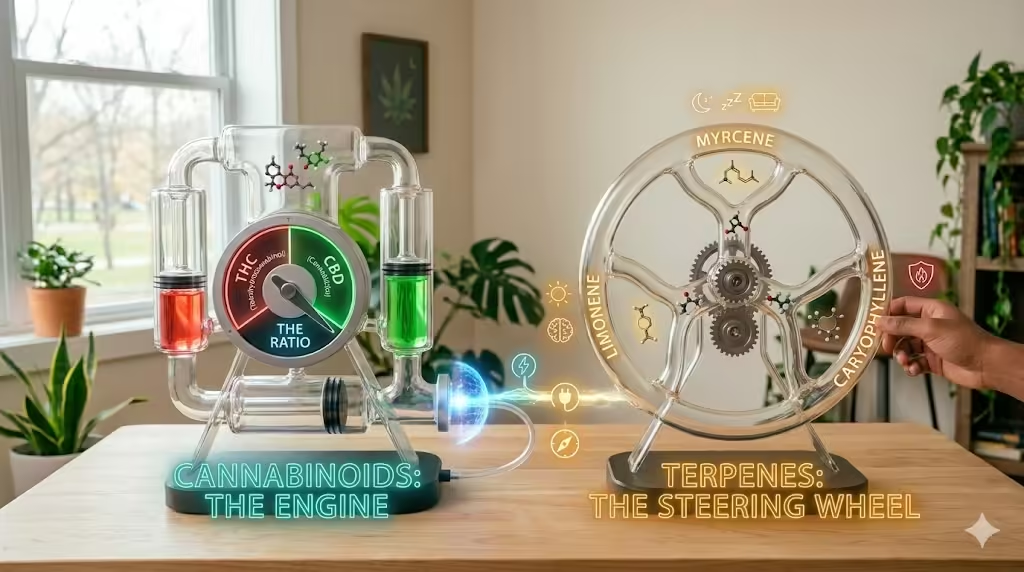
The “experience” of a strain is dictated by its active compounds, primarily cannabinoids and terpenes.
Cannabinoids: The Engine
THC (Tetrahydrocannabinol): The primary psychoactive compound.
CBD (Cannabidiol): A non-intoxicating compound studied for its physiological balancing properties.
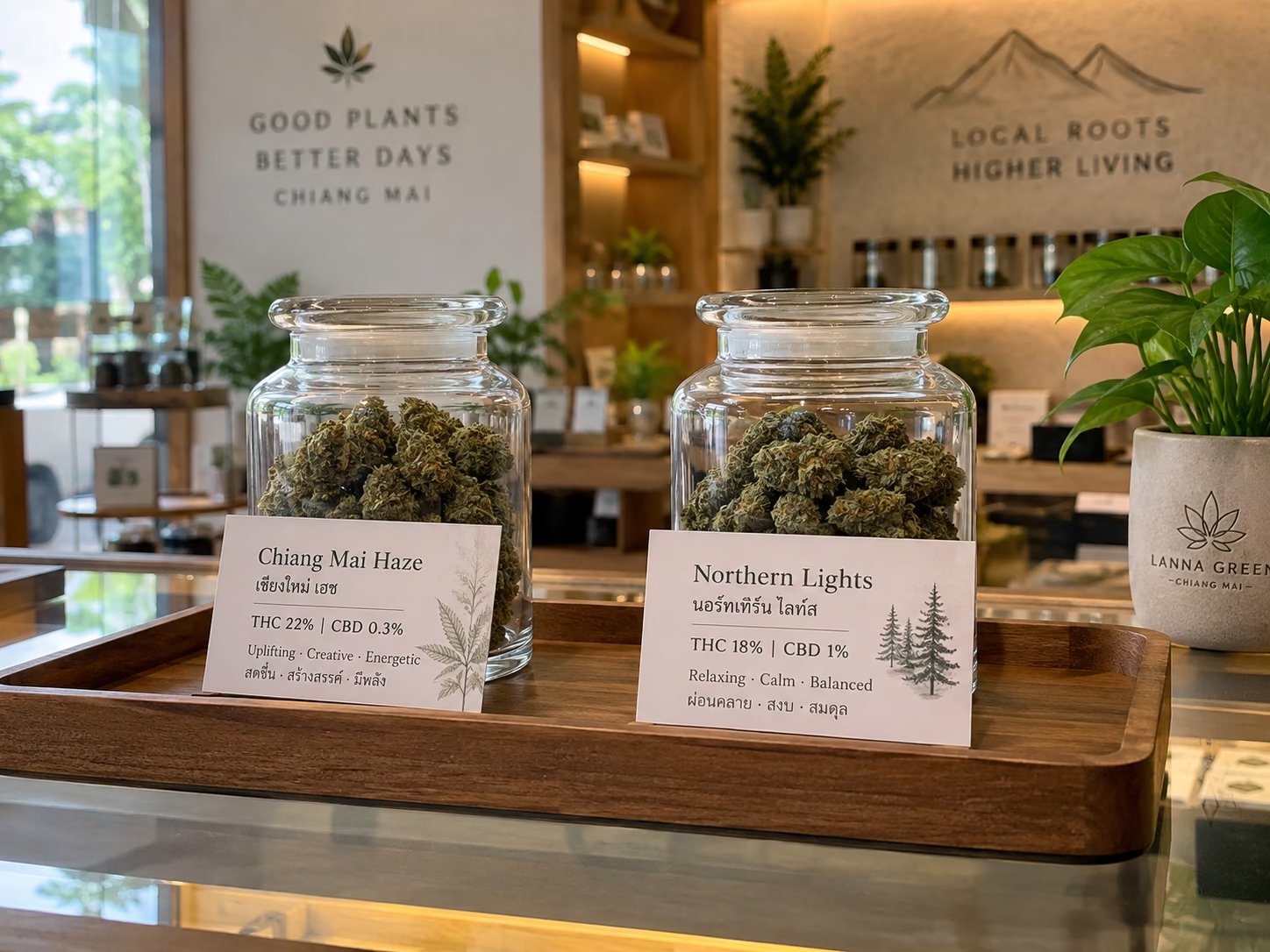
The Ratio: A beginner should look closely at the ratio. A strain with 15% THC and 15% CBD (Type II) will interact with the body very differently than a strain with 30% THC and 0% CBD (Type I).
Terpenes: The Steering Wheel
Terpenes are the aromatic oils that give cannabis its scent. They are also believed to modulate the effects of cannabinoids—a theory known as the Entourage Effect.
Myrcene: Earthy scent; associated with relaxation.
Limonene: Citrus scent; associated with an uplifting mood.
Caryophyllene: Peppery scent; studied for its interaction with the immune system.
5. Factors to Consider Before Analysis
When looking at cannabis strains, it is important to remember that the plant is a product of its environment.
Genetics vs. Environment: A “Blue Dream” clone grown in an outdoor garden in Thailand will have a different chemical profile than the same clone grown in a high-tech indoor facility.
Harvest Timing: Strains harvested early may have higher levels of certain stimulating acids, while those harvested later may have higher concentrations of cannabinoids like CBN, which is associated with rest.
6. Transparency: How to Read 2026 Labels
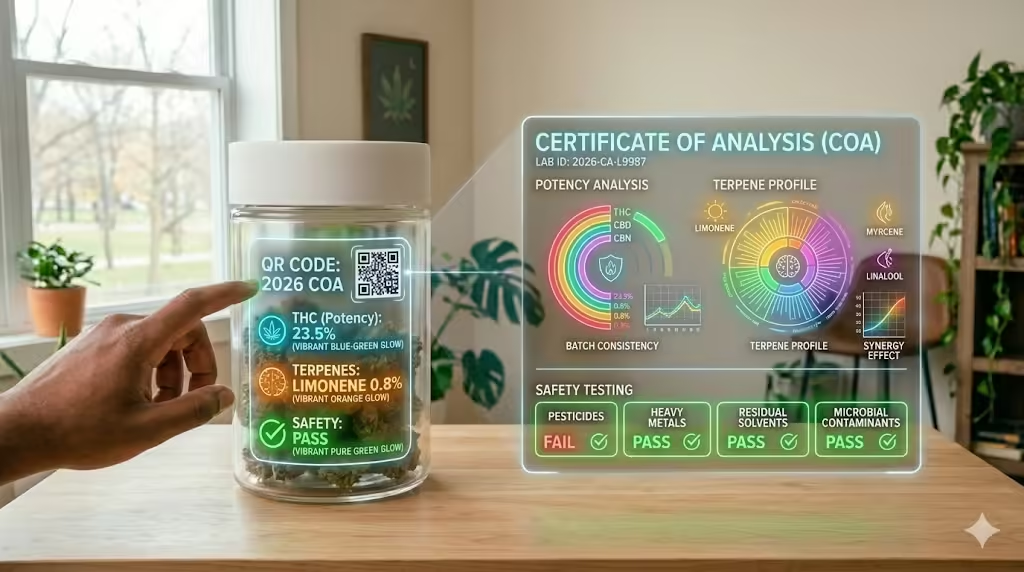
A responsible understanding of cannabis requires looking beyond the marketing names. In 2026, reputable providers include a Certificate of Analysis (COA). Beginners should look for:
Potency Analysis: Exact percentages of THC, CBD, and minor cannabinoids.
Terpene Profile: A breakdown of the top three dominant terpenes.
Safety Testing: Confirmation that the strain is free from pesticides, heavy metals, and mold.
7. Conclusion: Literacy Over Guesswork
The diversity of cannabis strains is what allows for such a wide range of botanical interactions. However, the most important factor is not which strain is “best,” but which profile is most compatible with an individual’s unique biological makeup. By focusing on chemovars, cannabinoid ratios, and terpene profiles rather than just “Sativa or Indica,” an individual can approach the plant with a higher degree of clarity and informed objectivity.
Disclaimer
This content is for strictly educational and informational purposes only. It does not constitute medical or legal advice. Haze Buds does not encourage the use of cannabis where it is illegal. Individual reactions to different strains vary significantly based on personal biology. Always consult with a healthcare professional before introducing any new substance into your routine, and ensure you are in compliance with all local laws and regulations regarding cannabis.