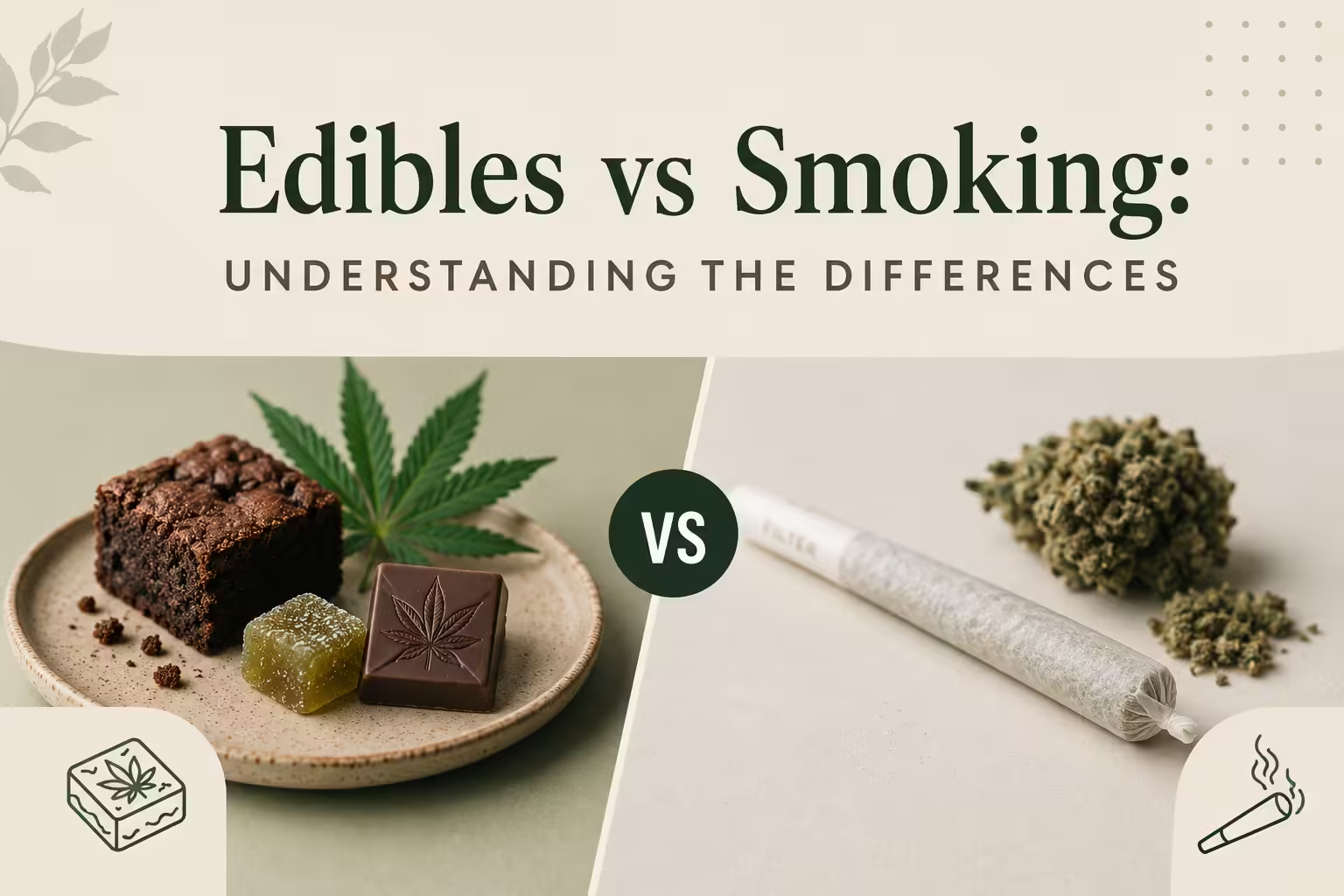
Edibles vs Smoking: Understanding the Differences in Effects
Introduction: Two Distinct Biological Pathways
When comparing edibles vs smoking, it is essential to understand how these two methods interact with your body differently. In the study of botanical science, the most critical distinction lies in the “route of administration.” For those seeking to understand the plant, this comparison is not merely about preference; it is about understanding two fundamentally different biological processes.
While both methods introduce cannabinoids like THC and CBD into the system, the speed at which they act, the chemical form they take, and the duration of their effects vary significantly. This guide provides a neutral, educational overview of how inhalation and ingestion interact with human physiology.
1. The Pulmonary Pathway: Inhalation (Smoking/Vaping)
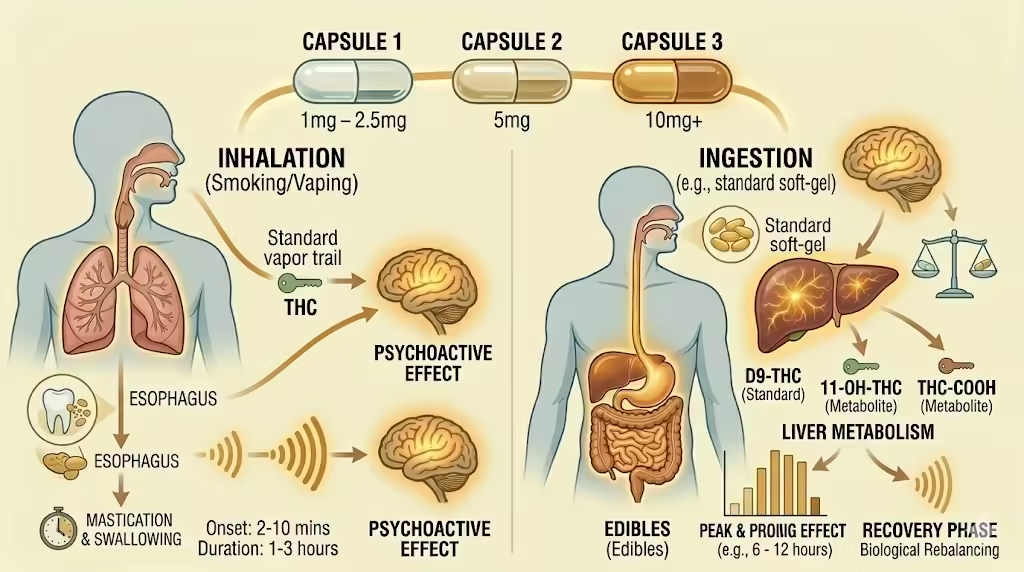
When cannabis is smoked or vaporized, the cannabinoids are delivered to the body via the lungs.
Mechanisms of Action:
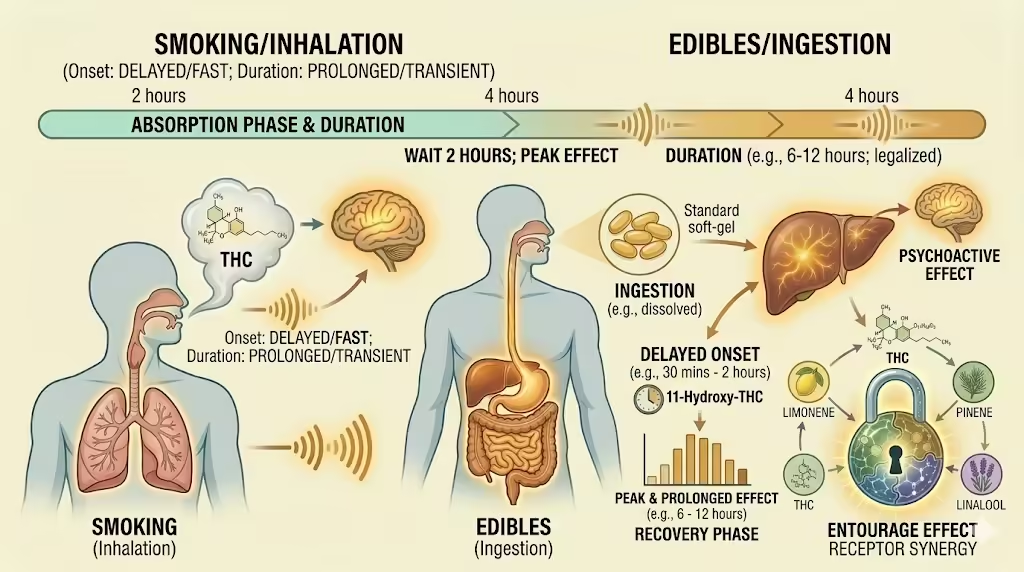
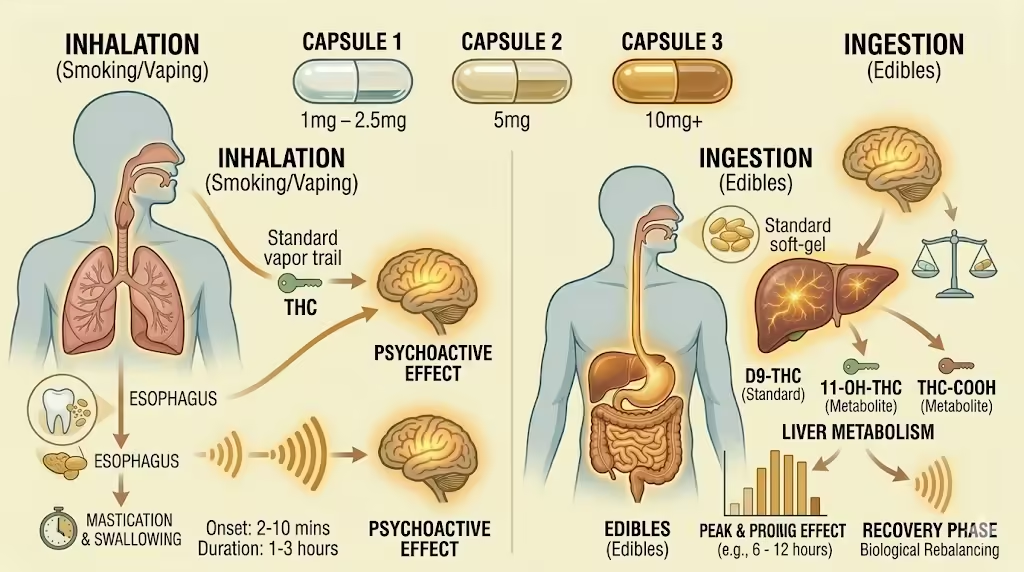
Absorption: THC enters the alveoli (tiny air sacs in the lungs) and passes directly into the bloodstream.
Onset: Because it bypasses the digestive system, the onset is nearly instantaneous, usually occurring within 2 to 10 minutes.
The Brain-Blood Barrier: Cannabinoids reach the brain quickly, allowing for immediate feedback on the intensity of the experience.
2. The Gastrointestinal Pathway: Ingestion (Edibles)
In contrast, when cannabis is ingested as an edible, it must be processed as food.
The Metabolic Journey:
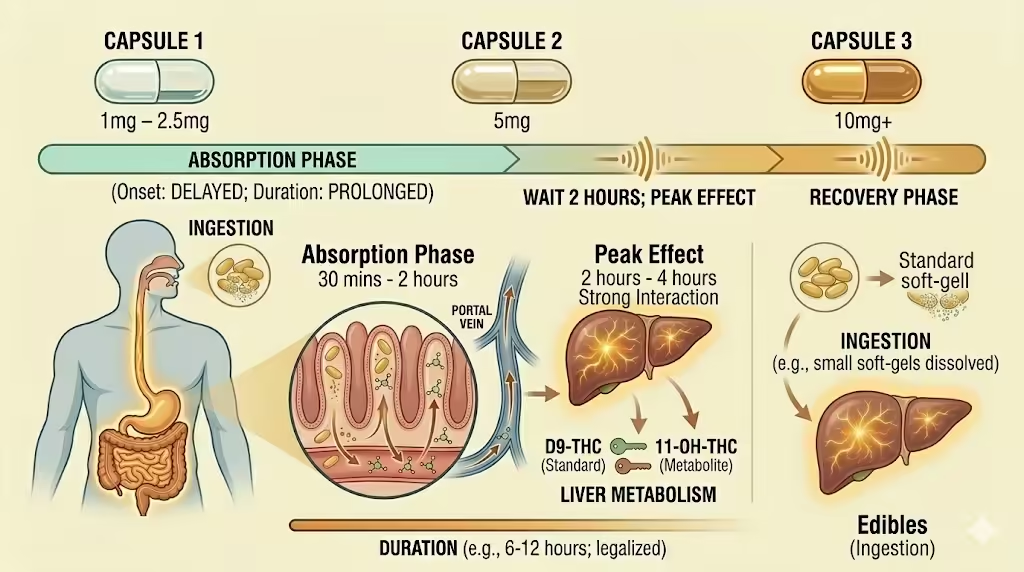
Digestion: The edible is broken down in the stomach and absorbed in the small intestine.
The Liver (First-Pass Metabolism): This is the defining difference. Before entering the general bloodstream, cannabinoids travel through the portal vein to the liver.
Chemical Change: The liver enzymes convert a large portion of Delta-9-THC into a metabolite called 11-Hydroxy-THC. This compound is significantly more potent and more effective at crossing into the brain than inhaled THC.
3. Comparison of Effects: Potency and Duration
The “feel” of edibles vs smoking is often described differently due to these chemical variations.
Feature
Smoking / Inhalation
Edibles / Ingestion
Primary Compound
Delta-9-THC
11-Hydroxy-THC
Onset Time
2 – 10 Minutes
30 – 120 Minutes
Peak Effect
30 Minutes
3 – 4 Hours
Total Duration
1 – 3 Hours
6 – 12 Hours
4. Bioavailability: How Much Reaches the System?
Bioavailability refers to the percentage of a substance that actually enters the circulation to have an active effect.
Inhalation: Has a relatively high bioavailability (approx. 10% to 35%), though much is lost to “side-stream smoke” or exhaled.
Ingestion: Has lower bioavailability (approx. 4% to 12%) because the digestive system is highly efficient at breaking down molecules. However, because the resulting 11-Hydroxy-THC is more potent, the perceived effect of an edible is often much stronger than smoking an equivalent milligram amount.
5. Factors Influencing Individual Response
No two people will react to edibles vs smoking in the same way.
Metabolic Rate: Individuals with high metabolisms may process edibles faster, leading to a quicker onset but shorter duration.
Tolerance: Regular smokers may find that they still have a very low tolerance for edibles because the liver metabolism creates a “new” compound (11-Hydroxy) that their body isn’t accustomed to.
Stomach Content: For edibles, having fat in the stomach (like avocado or nuts) can increase absorption, whereas an empty stomach might lead to a faster but more erratic onset.
6. Safety and Environmental Literacy
Understanding these differences is vital for a safe experience.
The “Feedback Loop”: Smoking provides immediate feedback, allowing a person to stop when they reach their desired level.
The “Wait Time”: Edibles lack this immediate feedback. A common error is “redosing” too early because the effects haven’t started, leading to an overwhelming peak 3 hours later.
7. Conclusion: Science-Based Choice
Whether exploring the rapid onset of inhalation or the prolonged, metabolic depth of ingestion, the choice depends on an individual’s understanding of their own biology. By recognizing the role of the lungs versus the liver, and the chemical shift from Delta-9 to 11-Hydroxy-THC, one can approach cannabis from a position of informed literacy rather than guesswork.
Disclaimer
This content is for strictly educational and informational purposes only. It does not constitute medical or legal advice. Haze Buds does not encourage the use of cannabis where it is illegal. Ingestion carries a higher risk of over-consumption due to delayed onset. Always consult with a healthcare professional before introducing any new substance into your routine, and ensure you are in compliance with all local laws and regulations regarding cannabis.