Understanding THC Levels: What Beginners Should Know
Introduction: The Metric of Potency
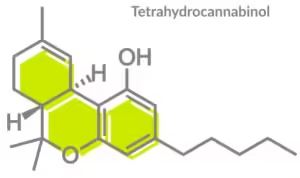
In the contemporary study of cannabis, THC (Tetrahydrocannabinol) is the most frequently discussed compound. To a beginner, the numbers listed on a dispensary menu or a lab report—often ranging from 10% to over 30%—can seem like a simple ranking of “quality.” However, understanding THC levels requires a deeper look into plant biology and human physiology.
Potency is not a linear measurement of “good” or “bad.” It is a mathematical representation of the concentration of a specific cannabinoid within the plant’s resin. This guide explores the nuances of these levels to help adult learners navigate the complex world of botanical chemistry.
1. What Does “THC Percentage” Actually Mean?
When a product is labeled as “20% THC,” it refers to the weight of the THC relative to the total weight of the flower.
The Calculation
In a 1-gram (1,000mg) sample of flower tested at 20%, there are theoretically 200mg of THC. However, it is important to note that in raw flower, the compound exists mostly as THCA (an acidic, non-psychoactive precursor). It only becomes THC through a process called decarboxylation (exposure to heat).
The 2026 Perspective: Modern laboratory testing has become incredibly precise. However, because cannabis is a biological product, THC levels can vary between different branches of the same plant. The percentage on the label is an average based on a tested batch.
2. THC and the Human Body: A Biological Interaction
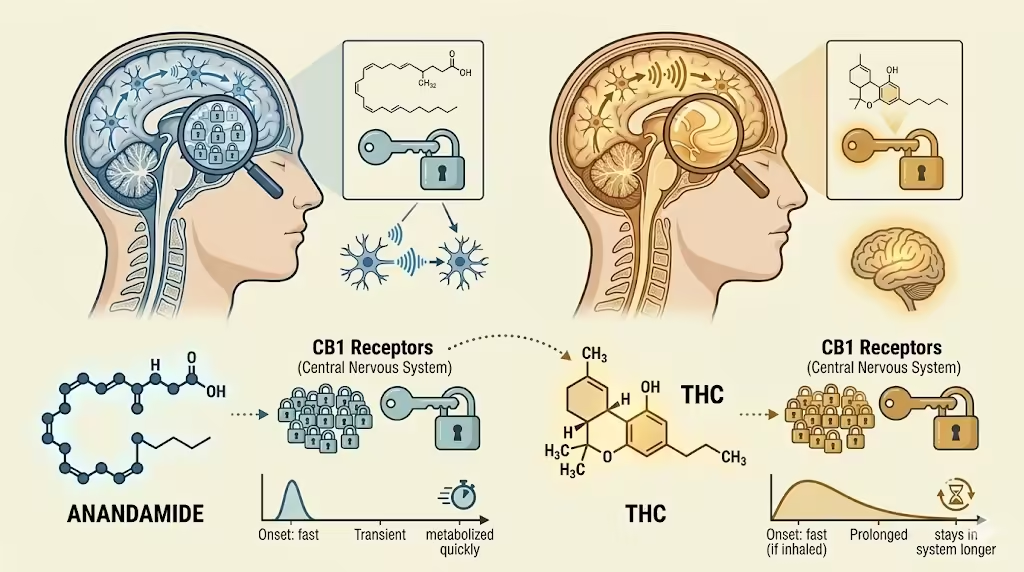
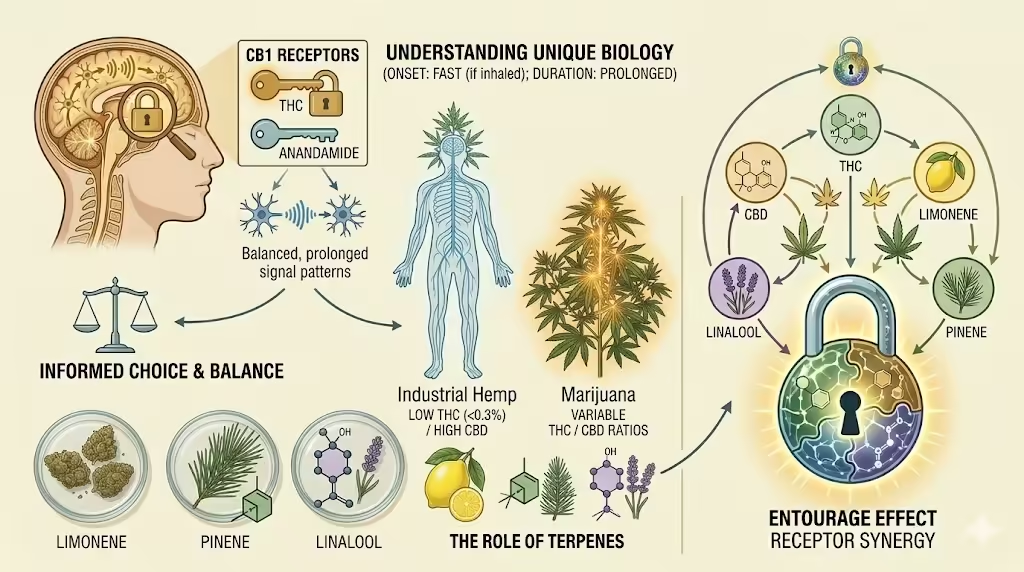
The way THC affects an individual is determined by the Endocannabinoid System (ECS). This is a vast network of receptors (CB1 and CB2) located throughout the brain and body.
CB1 Receptors: Primarily located in the central nervous system. THC has a high affinity for these receptors, which is why it produces psychoactive effects.
The Interaction: THC mimics a natural molecule in your body called Anandamide (often called the “bliss molecule”). Because THC stays in the system longer than Anandamide, it can significantly alter the signals being sent between neurons.
3. The Biphasic Effect: Understanding the “Bell Curve”
In pharmacology, a biphasic effect means that low and high doses of the same substance can produce opposite results. This is critical for understanding THC levels.
Low to Moderate Levels: May promote relaxation or sensory enhancement.
High Levels: May lead to increased heart rate, temporary cognitive impairment, or feelings of unease.
For a beginner, a “high THC” strain (e.g., 25%+) may bypass the desired relaxation phase and move directly into a phase of discomfort. This is why researchers often suggest that for many individuals, “less is more.”
4. Why “Higher” Isn’t Always “Better”: The Entourage Effect
One of the most common misconceptions is that a higher THC percentage equals a “better” experience. Scientific data suggests otherwise.
The Role of Terpenes
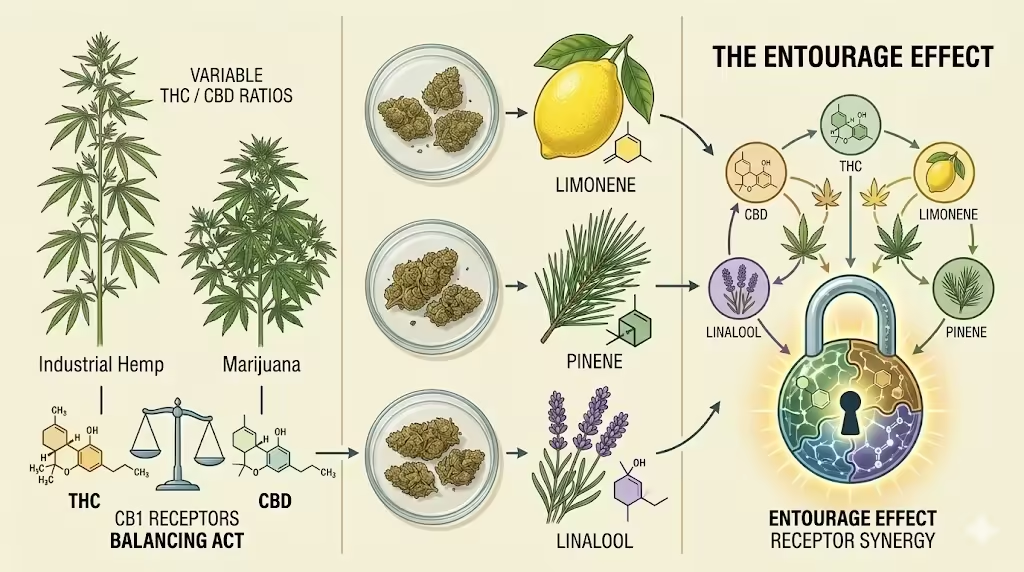
Terpenes are aromatic compounds that determine the scent of the plant. They also modulate how THC interacts with your receptors. A 15% THC strain with a rich terpene profile may feel more significant and balanced than a 30% THC “isolate” that lacks these aromatic compounds.
The Balancing Act: THC vs. CBD
CBD (Cannabidiol) acts as a functional antagonist to THC. It can physically block THC from binding perfectly to the CB1 receptors, essentially “buffering” the intensity of the psychoactive effects.
THC Level
CBD Level
Predicted Interaction
High
Zero/Low
Intense psychoactive potential; higher risk of unease for beginners.
Moderate
Moderate (1:1)
Balanced interaction; often described as “mellow.”
Low
High
Minimal psychoactive effect; focused on physiological homeostasis.
5. Potency Across Different Formats
THC levels are measured differently depending on how the cannabis is processed:
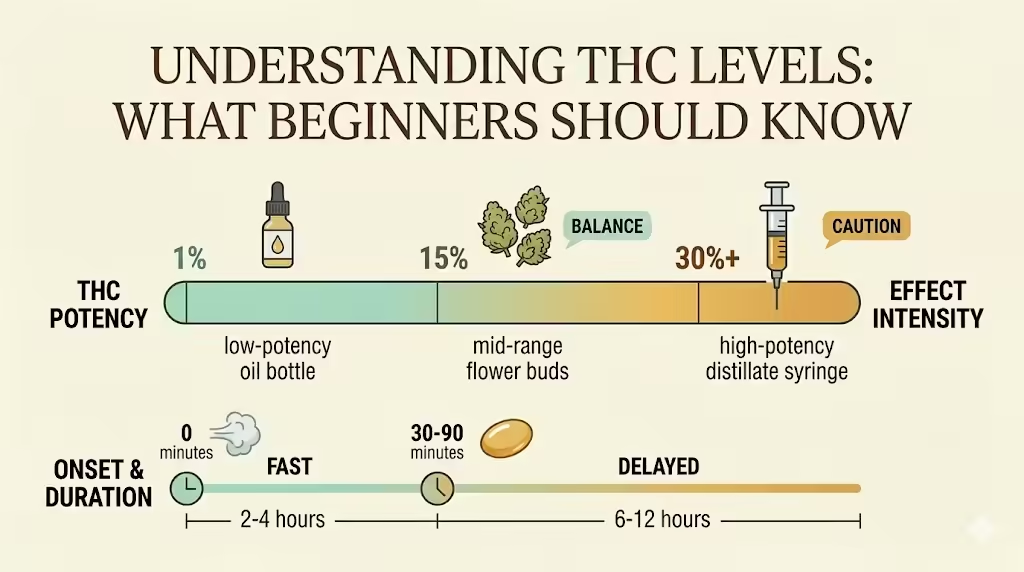
Flower: Typically 10% – 30% THC.
Concentrates (Wax, Shatter, Oils): 60% – 90%+ THC. These are generally not recommended for those still building a foundational understanding of the plant.
Edibles: Measured in milligrams (mg) per serving rather than percentages. A standard “beginner” serving is often cited in literature as 2.5mg to 5mg of THC.
6. Personal Biology: The Variable Factor
Two people can consume the exact same level of THC and have vastly different experiences. Factors include:
Genetics: Some individuals have more CB1 receptors than others.
Metabolism: Especially relevant for edibles, where the liver converts THC into 11-Hydroxy-THC.
Current State: Stress levels, hydration, and even whether you have eaten can change how the body processes cannabinoids.
7. How to Read a Modern Lab Report (COA)
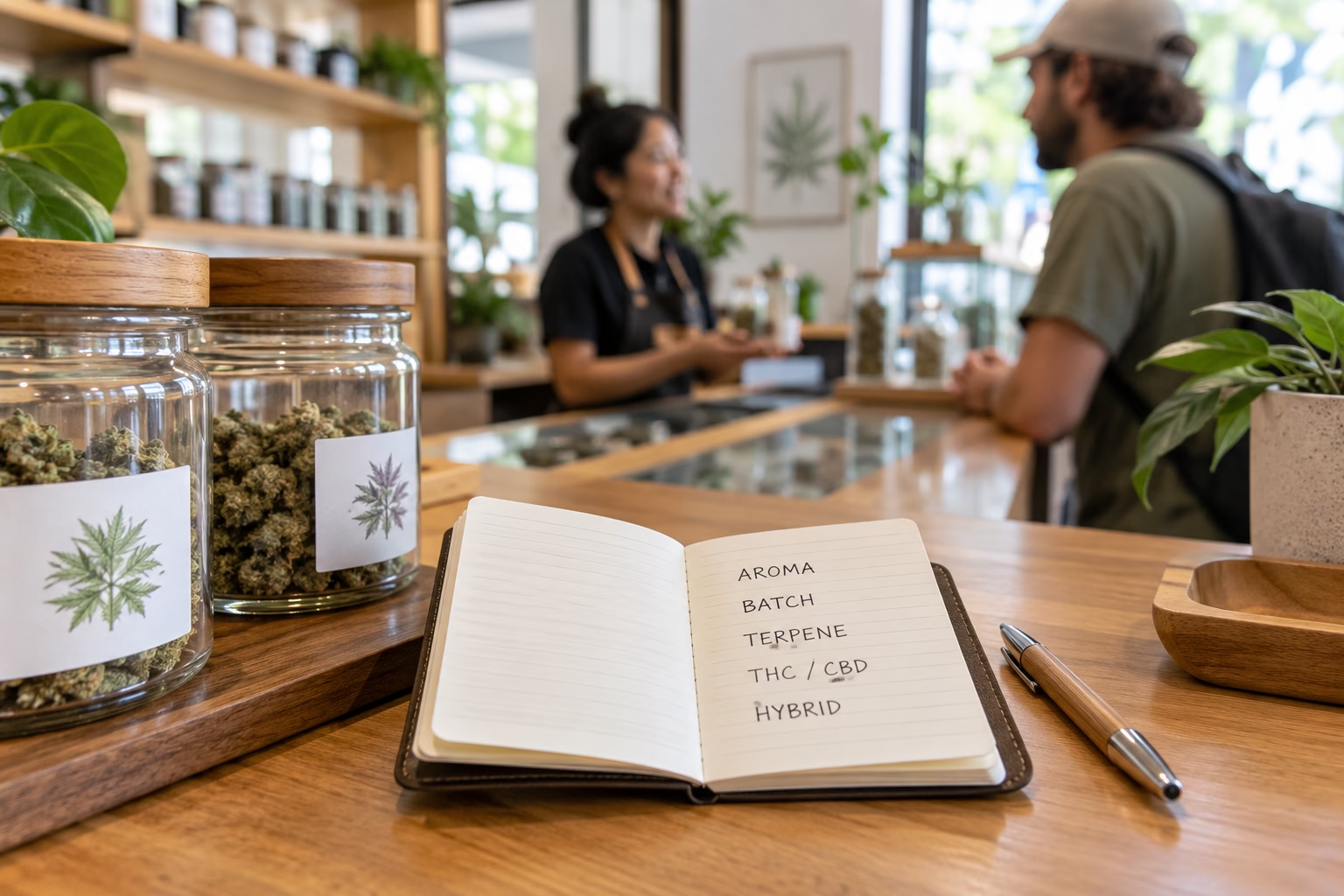
In 2026, transparency is standard. A Certificate of Analysis (COA) will show:
Total THC: (THCA x 0.877) + THC.
Terpene Profile: Listing the dominant scents (Myrcene, Limonene, etc.).
Safety Screen: Ensuring the product is free from heavy metals, pesticides, and mold.
8. Conclusion: Informed Choice Over Raw Power
Understanding THC levels is about recognizing that potency is only one part of a complex botanical puzzle. For those beginning their journey of understanding cannabis, the focus should be on the synergy of the plant—the balance of cannabinoids and terpenes—rather than chasing the highest numerical value. Literacy in how these compounds interact with your unique biology is the most effective way to ensure a positive and controlled relationship with the plant.
Disclaimer
This content is for strictly educational and informational purposes only. It does not constitute medical or legal advice. HazeBuds does not encourage the use of cannabis where it is illegal. High levels of THC can lead to adverse effects in some individuals. Always consult with a healthcare professional before introducing any new substance into your routine, and ensure you are in compliance with all local laws and regulations regarding cannabis.