In the modern landscape of 2026, cannabis has transitioned from a misunderstood botanical to a subject of rigorous scientific study and global conversation. However, for those new to the topic, the sheer volume of terminology—from “terpenes” to “receptors”—can be overwhelming.
Understanding cannabis requires looking past the trends and focusing on the biology of the plant and its interaction with the human body. This guide serves as a foundational resource for educational purposes, providing a neutral overview of the plant’s makeup and its historical significance.
1. The Botany: Classification and Structure
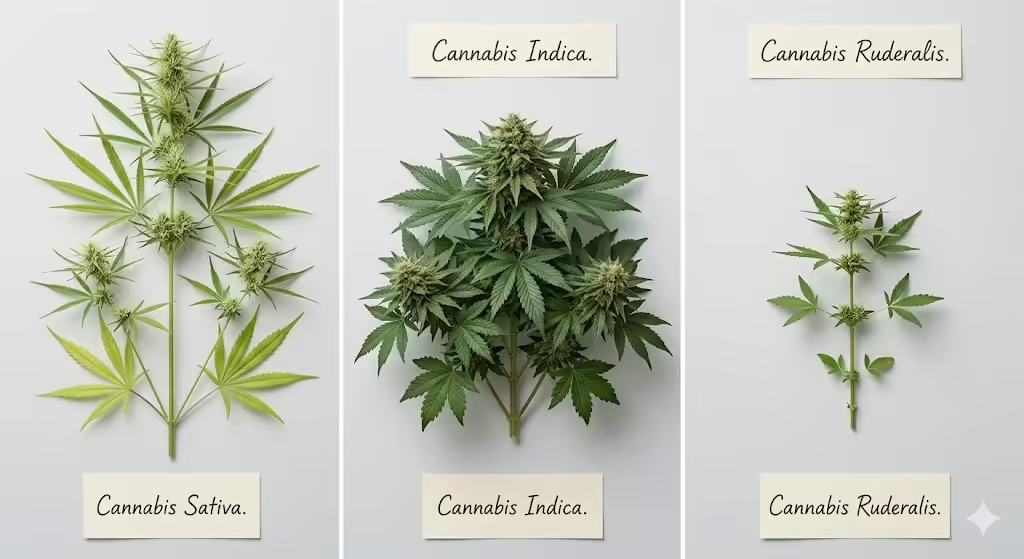
Cannabis is a genus of flowering plants in the family Cannabaceae. While the plant is often discussed as a monolithic entity, it is botanically diverse. Historically, the industry has used three primary labels to categorize the plant’s growth patterns and physical traits:
Cannabis Sativa: Characterized by tall, narrow leaves and longer flowering cycles. These plants originally thrived in warmer climates.
Cannabis Indica: Typically shorter and bushier with wider leaves, adapted to cooler, higher-altitude environments.
Cannabis Ruderalis: A lesser-known subspecies that is “auto-flowering,” meaning it blooms based on age rather than light cycles.
The Shift in Modern Botany: In recent years, researchers have noted that these labels (Sativa/Indica) are more reflective of the plant’s physical appearance (morphology) than its chemical effect. Today, scientists prefer to categorize cannabis by “Chemovars” (chemical variations) based on the specific concentration of compounds within the plant.
2. The Chemistry: Cannabinoids Explained
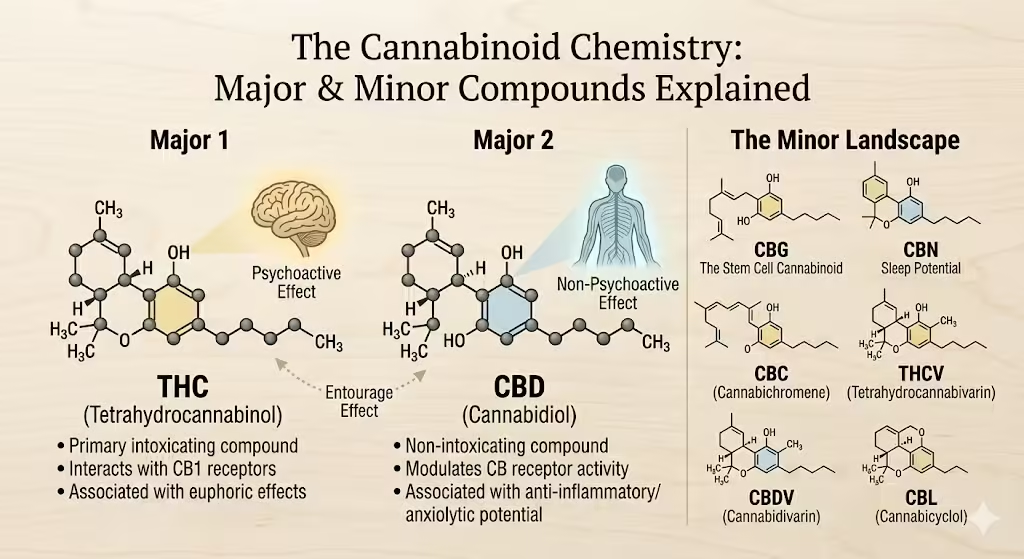
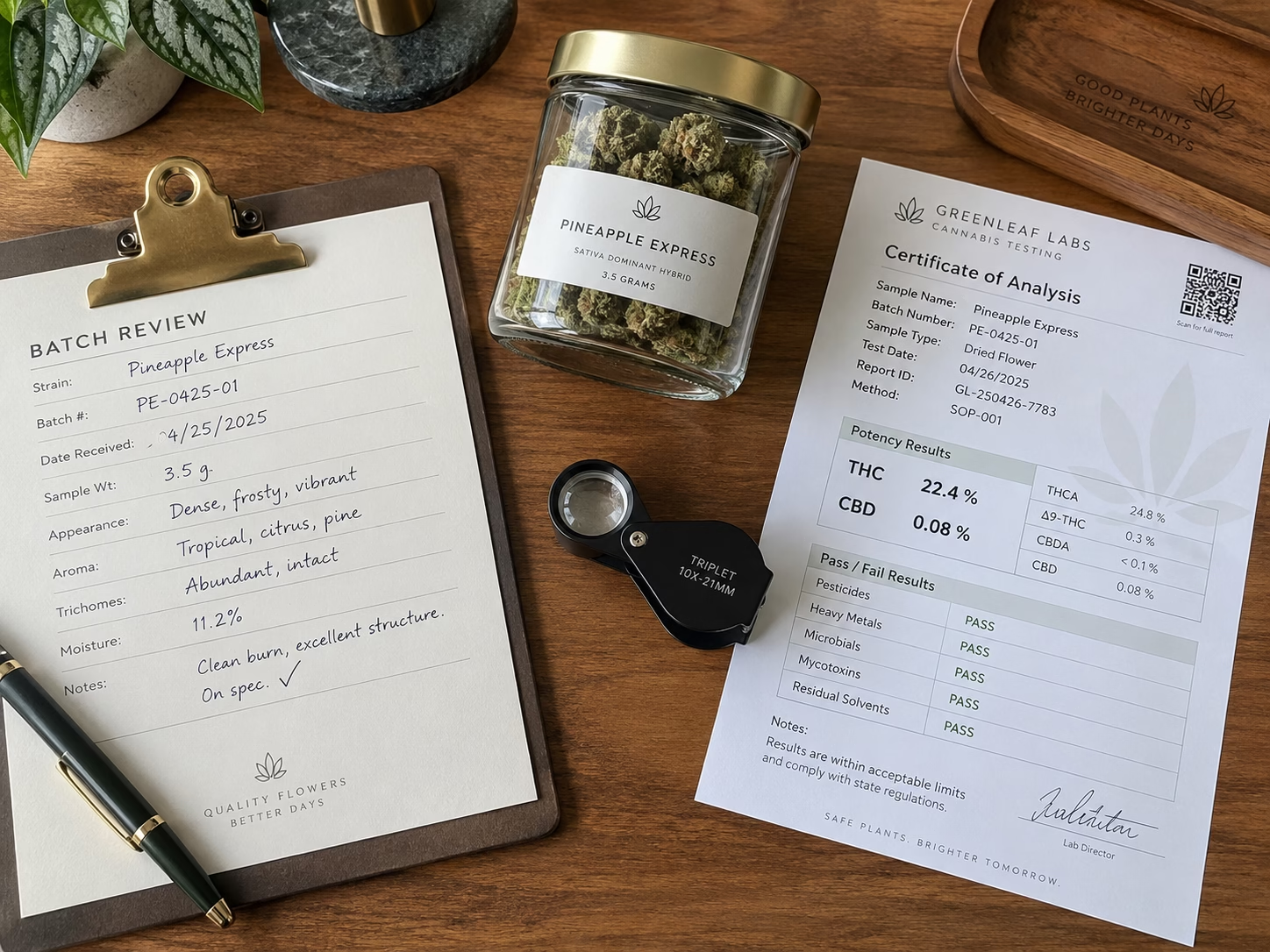
The cannabis plant contains over 100 unique chemical compounds known as cannabinoids. These are the primary drivers of the plant’s characteristics.
THC (Tetrahydrocannabinol)
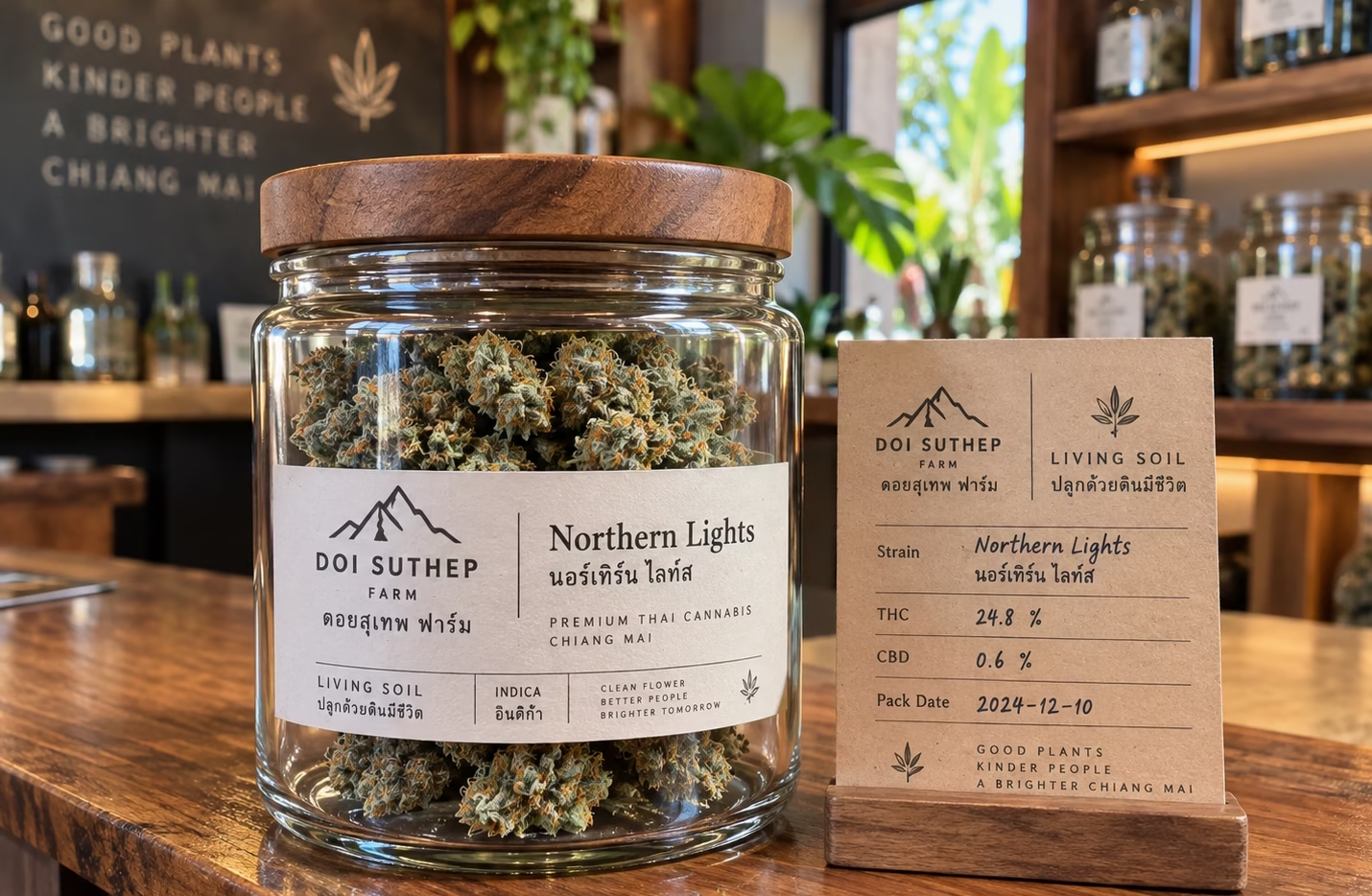
THC is the most well-known cannabinoid. It is the primary psychoactive component of the plant. In a botanical sense, the plant produces THC (initially as THCA) likely as a defense mechanism against ultraviolet light or pests.
CBD (Cannabidiol)
CBD is the second most prevalent compound. Unlike THC, CBD is non-intoxicating. It has gained significant attention in the medical community for its potential role in managing homeostasis without the “high” associated with THC.
Minor Cannabinoids
As research expands in 2026, focus has shifted to “minor” cannabinoids such as:
CBG (Cannabigerol): Often called the “stem cell” cannabinoid, as it is the precursor from which other cannabinoids are synthesized.
CBN (Cannabinol): Produced when THC ages and oxidizes; it is currently being studied for its relationship with rest.
3. The Sensory Science: Terpenes and Flavonoids
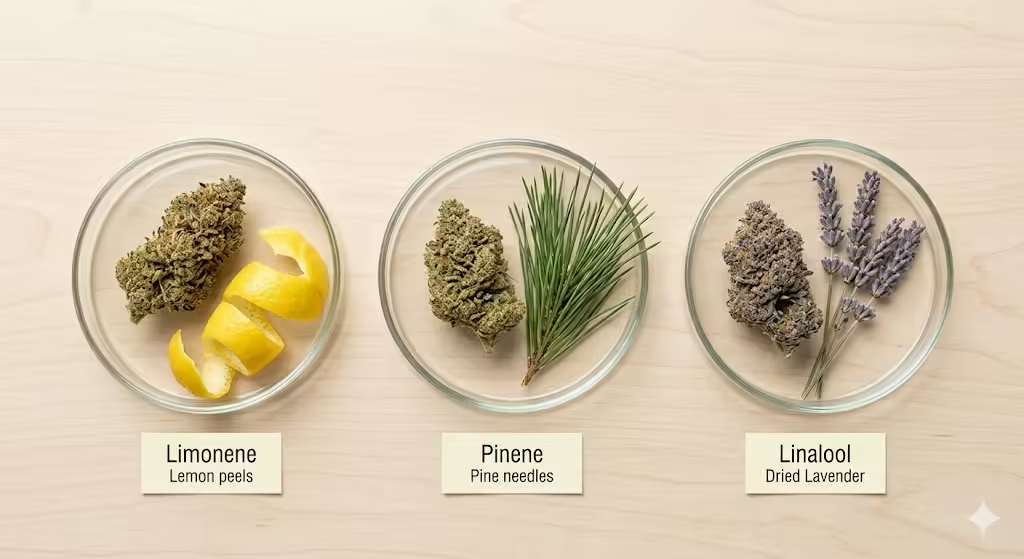
If cannabinoids are the engine of the plant, terpenes are the steering wheel. Terpenes are aromatic oils secreted in the same glands that produce cannabinoids. They provide cannabis with its distinct scents—ranging from citrus and pine to earthy musk.
Terpene
Aroma
Common Occurrence
Myrcene
Earthy, Musky
Mango, Lemongrass
Limonene
Citrus
Lemon Rind, Juniper
Pinene
Pine
Pine Needles, Rosemary
Linalool
Floral
Lavender
The Entourage Effect: This theory suggests that cannabinoids and terpenes work better together than in isolation. Scientific observation indicates that the presence of specific terpenes may modulate how the body processes THC or CBD.
4. The Biological Bridge: The Endocannabinoid System (ECS)
To understand why cannabis affects humans, one must understand the Endocannabinoid System (ECS). Discovered in the 1990s, the ECS is a complex cell-signaling system found in all mammals.
The ECS plays a role in regulating a range of functions and processes, including:
Sleep and Mood
Appetite
Memory
Reproduction and Fertility
The system consists of three core components:
Endocannabinoids: Molecules made by your body.
Receptors: Found throughout the body (CB1 receptors in the central nervous system and CB2 receptors in the peripheral nervous system).
Enzymes: Which break down endocannabinoids once they’ve carried out their function.
Cannabinoids from the plant (phytocannabinoids) mimic the body’s natural molecules, allowing them to bind to these receptors and influence the system’s signals.
5. Overview of Interaction Methods
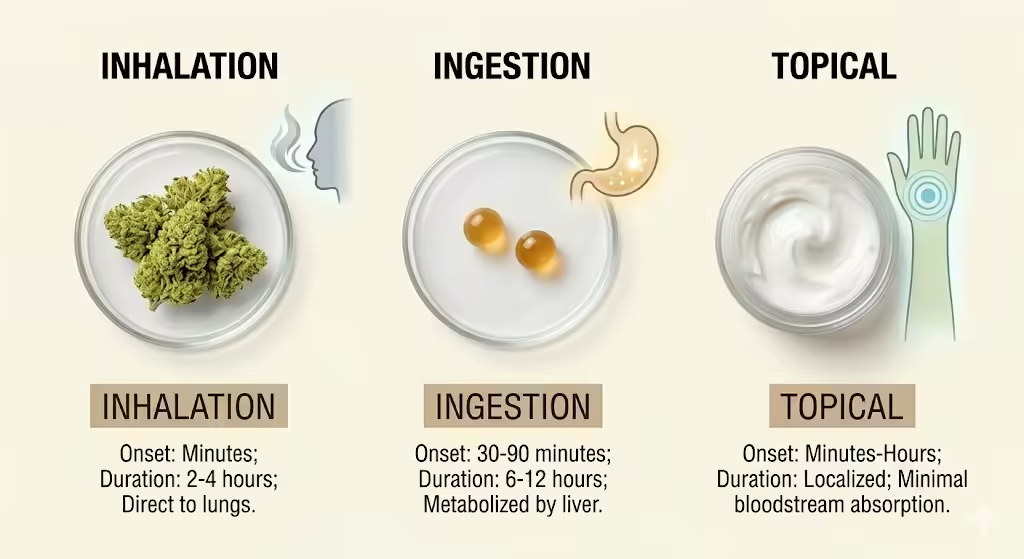
Education regarding cannabis use also involves understanding the delivery mechanisms. Each method affects the body’s “bioavailability”—the rate and extent to which the compounds are absorbed into the bloodstream.
Inhalation: Through vaporization or combustion. Compounds enter the lungs and pass directly into the bloodstream, leading to rapid onset.
Ingestion: Through edibles or oils. The compounds must pass through the digestive system and the liver (first-pass metabolism), which results in a slower onset but typically a more prolonged experience.
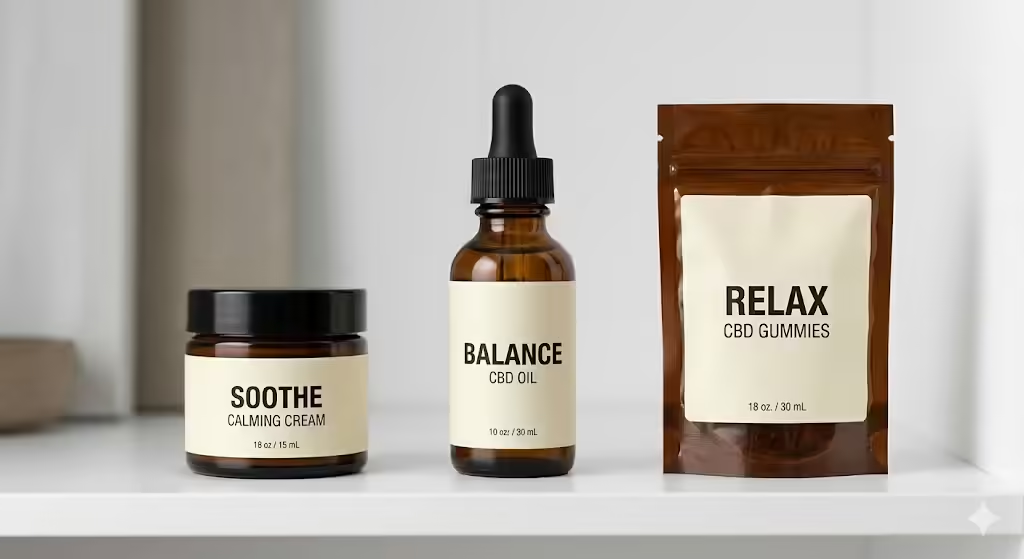
Topical: Creams or balms applied to the skin. These generally interact with local receptors in the skin rather than entering the systemic bloodstream.
6. History and Modern Compliance
Cannabis has been utilized by human civilizations for over 5,000 years, moving from an essential source of fiber (hemp) to a staple in ancient pharmacopeias. In 2026, the global legal landscape is a patchwork of regulations.
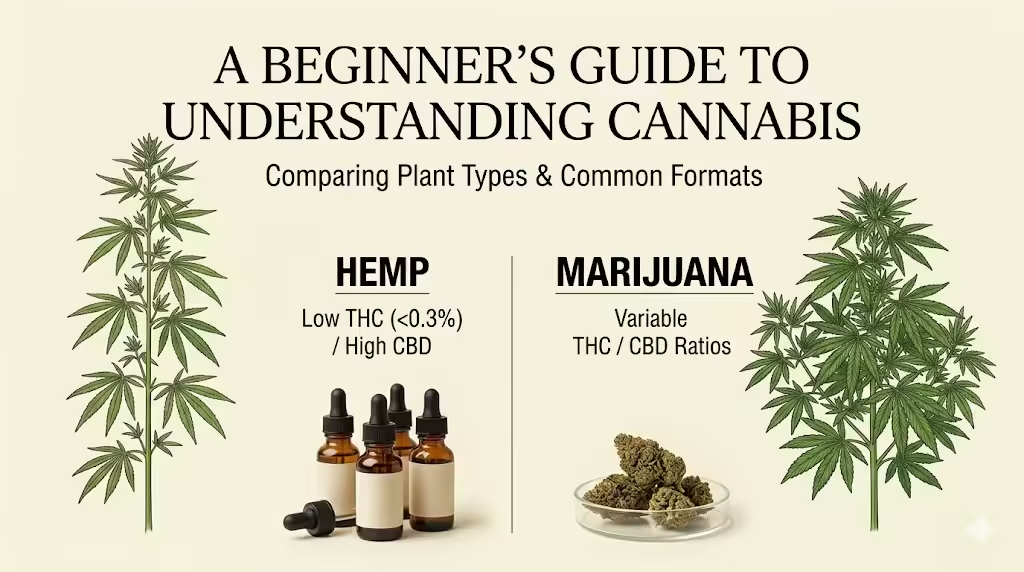
Education on Compliance: Understanding cannabis use also means understanding the legal thresholds. Many regions distinguish between “Hemp” (cannabis with less than 0.3% THC) and “Marijuana” (cannabis with higher THC concentrations). Users and observers must remain aware of local laws regarding age limits, possession quantities, and public use restrictions.
7. Conclusion: The Power of Literacy
The journey of understanding cannabis is an ongoing process of scientific discovery. As our global society continues to research the nuances of the plant—from the molecular structure of minor cannabinoids to the long-term impacts on the ECS—education remains the most vital tool for any individual. By focusing on the facts of botany and biology, one can navigate this complex topic with clarity and objectivity.
Disclaimer
This content is for strictly educational and informational purposes only. It does not constitute medical or legal advice. HazeBuds does not encourage the use of cannabis where it is illegal. Always consult with a healthcare professional before introducing any new substance into your routine, and ensure you are in compliance with all local laws and regulations regarding cannabis.