Using Journals to Document Observations Related to Cannabis Products in Thailand
Keeping a simple journal can be a useful tool for organizing observations when exploring cannabis products. Many visitors to licensed dispensaries in Thailand find value in recording product information and sensory details to support learning and comparison over time.
This educational guide outlines practical ways to document observations related to cannabis products in a structured and responsible manner.
Important Disclaimer: This article is for educational purposes only and is not medical or legal advice. All cannabis activities in Thailand must comply with current regulations, including the requirement for a valid PT33 prescription where applicable. Journaling should focus on product characteristics and contextual information only. Always follow Thai law regarding possession and use.
Why Document Observations?
Recording basic details about products and settings can help create a personal reference over time. This practice supports:
Better recognition of different aroma profiles and product characteristics
Comparison between batches or dispensaries
Improved understanding of how growing, curing, and storage conditions may influence appearance and scent
Development of personal preferences based on observable traits
Many people use journaling as a way to become more informed consumers within Thailand’s regulated market.
What to Include in Your Journal
Focus on objective, observable information rather than subjective interpretations. Helpful categories to record include:
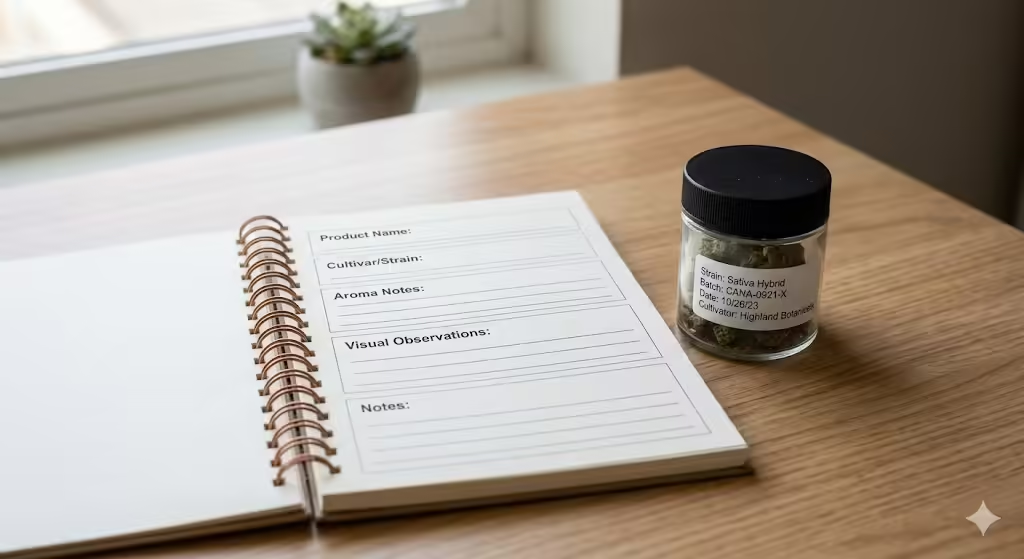
Product details: Strain or product name, batch or lot number, cannabinoid percentages from the label, and the licensed dispensary where it was obtained.
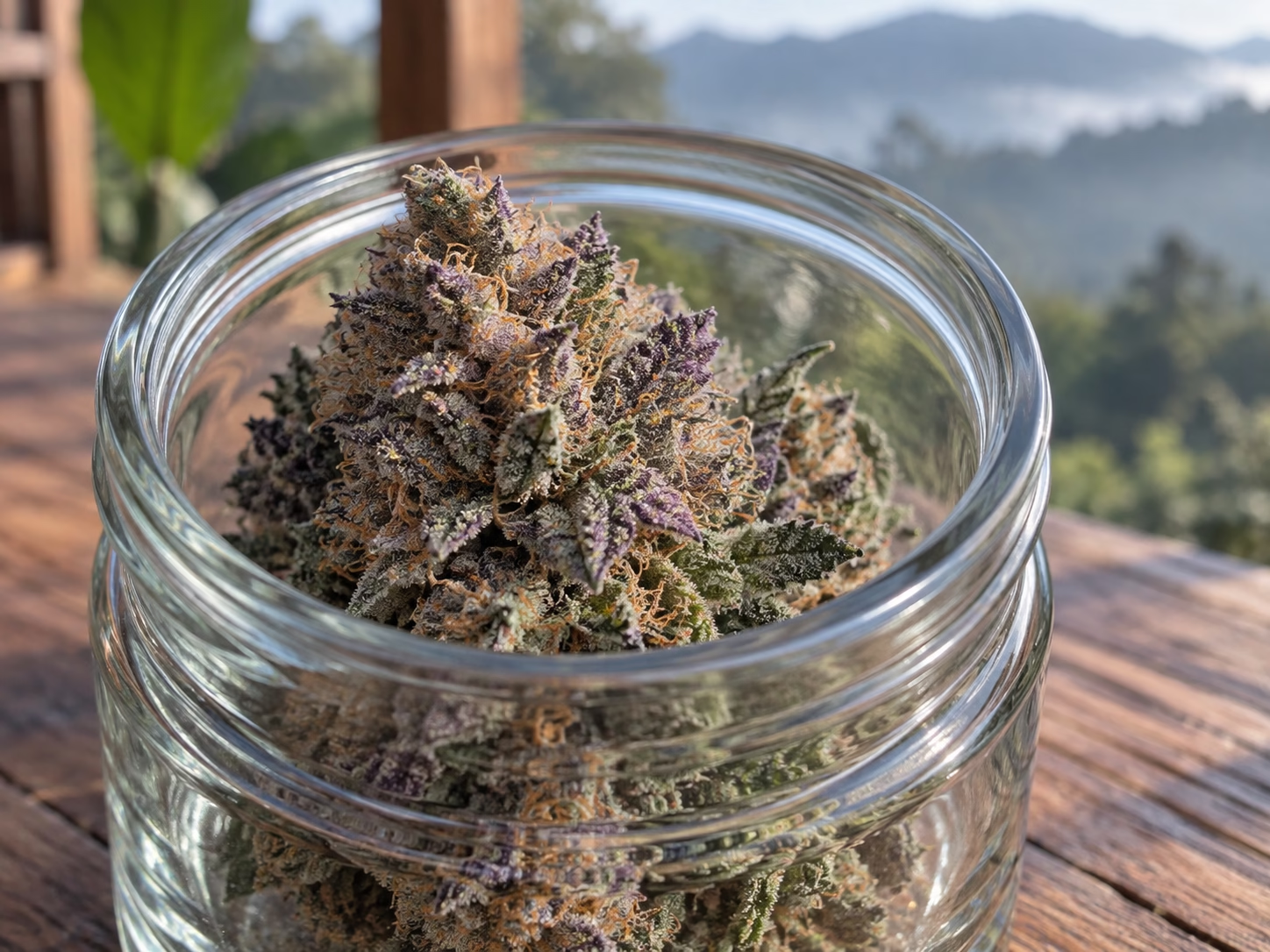
Visual observations: Color of the flower or product, presence and appearance of trichomes, overall structure, and any visible signs of quality or handling.
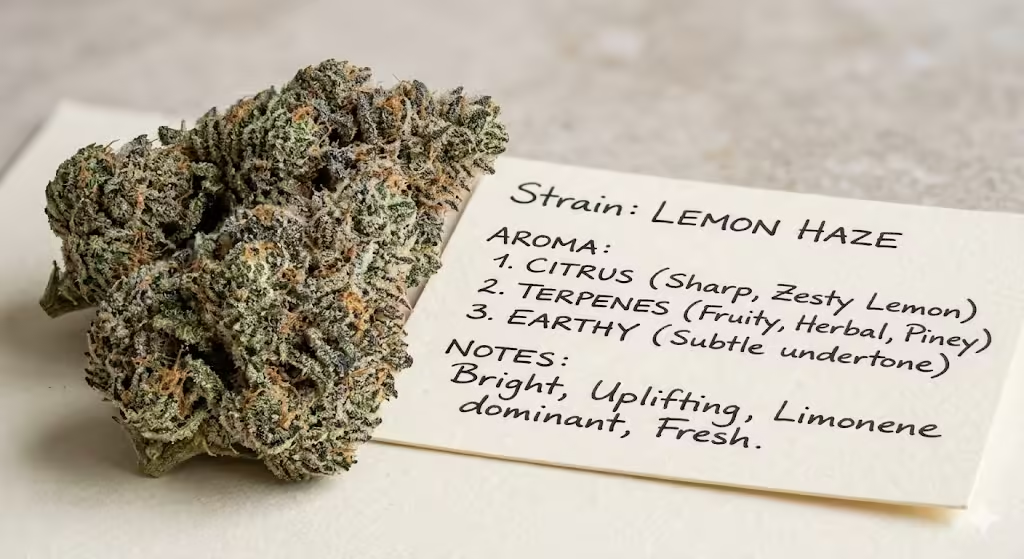
Aroma notes: Descriptions of scent using broad categories (earthy, citrus, pine, floral, etc.) and intensity.
Texture and moisture: How the product feels when handled (e.g., dry, sticky, or properly cured).
Contextual information: Date, time of day, location or setting, and any other relevant environmental factors.
Keeping entries factual and consistent makes the journal more useful for future reference.
Simple Journaling Methods
You do not need elaborate tools to start. Common approaches include:
A dedicated notebook or journal kept in a safe, private location
Simple templates with consistent fields for each entry
Digital note-taking apps with password protection for privacy
Voice notes followed by written summaries if preferred
The most effective journals are those that are easy to maintain and review regularly.
Connecting Observations to Terpenes and Quality
Documenting aroma and visual traits can help connect products to their terpene profiles over time. For example, noting citrus-like scents may correspond with products high in certain terpenes, while earthy notes might align with others.
Recording these observations alongside label information (such as dominant terpenes when available) can support a deeper understanding of product diversity available at licensed dispensaries in Chiang Mai and other areas.
Using Your Journal at Licensed Dispensaries in Chiang Mai
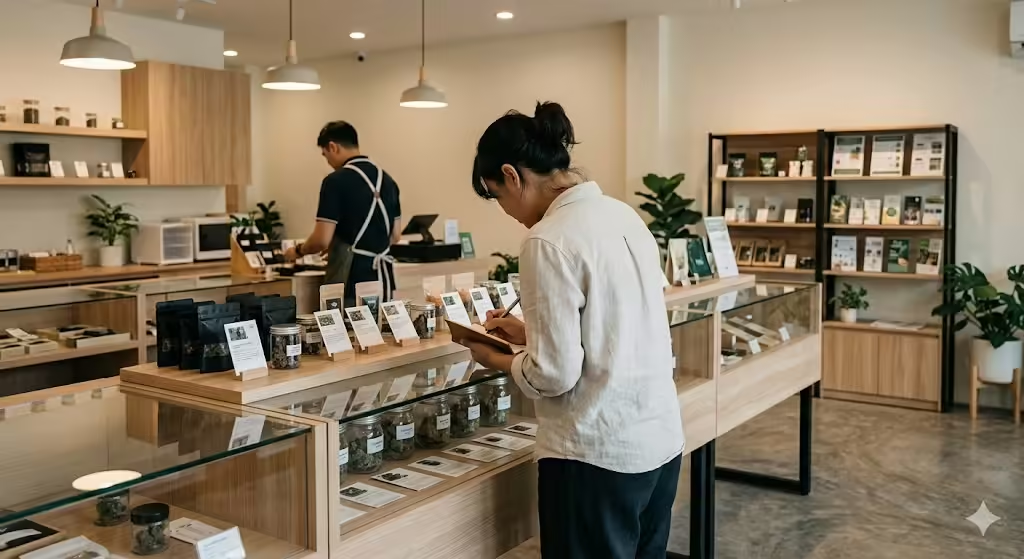
Many licensed dispensaries in Chiang Mai welcome questions and provide opportunities to examine products. Having a journal can help you systematically note details during visits.
Some visitors find it useful to record observations immediately after examining a product while details are fresh. Staff at locations such as Haze Buds can often provide additional context about product origins or characteristics that you may wish to include in your notes.
Conclusion
Journaling offers a structured way to document observable characteristics of cannabis products, including appearance, aroma, and contextual details. When focused on factual information and used responsibly, it can support ongoing learning about product quality and variety within Thailand’s regulated market.
Consistent, objective record-keeping helps many people develop greater familiarity with the options available at licensed dispensaries.
FAQ Section
What should I focus on when journaling about cannabis products? Focus on objective details such as product name, batch information, cannabinoid content from labels, visual appearance (including trichomes), aroma descriptions using common categories, and the setting or context of your observation.
Is it necessary to record how a product made me feel? No. Effective journaling for educational purposes centers on product characteristics and observable traits rather than personal responses. This keeps records factual and aligned with learning goals.
Can journaling help with understanding terpenes? Yes. Noting aroma profiles over time and comparing them with product information can help you recognize patterns associated with different terpenes available in licensed products.
Where should I keep my journal? Store it in a private, secure location. If using a digital format, consider password protection. Always ensure any records comply with legal requirements regarding documentation of cannabis products.
Do licensed dispensaries in Chiang Mai support this kind of observation? Many licensed locations encourage customers to examine products carefully and ask questions. Recording observations can complement the educational resources often provided by dispensaries such as Haze Buds.
Suggested Internal Links
Terpene Tasting 101: How to Choose the Right Strains Like a Pro at a Dispensary in Thailand
Sweet, Fruity, or Gas? A Guide to Chiang Mai’s Best Terpenes
What Are Trichomes? The Tiny Structures That Determine Cannabis Quality and Potency
A Practical Guide to Identifying High-Quality Cannabis Flower in Chiang Mai Dispensaries
How to Read Cannabis Product Labels and Lab Reports in Thailand Dispensaries