Understanding Minor Cannabinoids: CBG, CBN, and CBC Explained for Thailand Cannabis Buyers
Cannabis contains dozens of naturally occurring chemical compounds called cannabinoids. While most attention focuses on THC and CBD, smaller amounts of other cannabinoids are also present. These are often referred to as minor cannabinoids. Three that frequently appear in product discussions are CBG, CBN, and CBC.
This guide provides factual information about what these compounds are and how they form in the cannabis plant. It is written for readers interested in understanding product details available through Thailand’s licensed dispensary channels.
Major and Minor Cannabinoids: The Basics
Cannabinoids are a class of compounds produced by the cannabis plant. THC and CBD are considered major cannabinoids because they usually occur in higher concentrations in many varieties.
Minor cannabinoids, including CBG, CBN, and CBC, generally appear in lower amounts. Their presence and levels depend on plant genetics, growing conditions, harvest timing, and post-harvest handling. Licensed dispensaries in Thailand often include cannabinoid profile information on product labels or lab documentation as part of standard transparency practices.
CBG: The Precursor Compound in the Cannabis Plant
CBG stands for cannabigerol. It originates from cannabigerolic acid (CBGA), a foundational molecule in the plant’s biosynthetic process. As the cannabis plant matures, enzymes convert CBGA into other cannabinoid acids, which then become the more familiar compounds after decarboxylation.
Because of this conversion process, CBG levels are typically higher in younger plants and lower in fully mature flowers. CBG is classified as non-intoxicating in its natural form. When reviewing product information at licensed Thai dispensaries, you may see CBG listed as part of a broader cannabinoid analysis.
CBN: Formed Through Natural Degradation
CBN stands for cannabinol. Unlike CBG, CBN is not produced in large quantities directly by the living plant. It forms primarily when THC undergoes oxidation and degradation due to exposure to oxygen, light, heat, or extended storage time.
This makes CBN more common in aged or improperly stored cannabis material. In product testing data shared by licensed dispensaries, higher CBN readings often indicate material that has undergone some degree of natural breakdown over time.
CBC: A Parallel Pathway in Plant Biosynthesis
CBC stands for cannabichromene. It arises from cannabichromenic acid (CBCA), which branches off from the same CBGA precursor as other cannabinoids. Different plant varieties and growing environments can influence how much CBC develops alongside other compounds.
Like CBG, CBC is generally regarded as non-intoxicating based on its chemical structure. It appears in varying trace amounts depending on the specific genetics of the plant.
Minor Cannabinoids and Product Information in Thailand’s Licensed Market
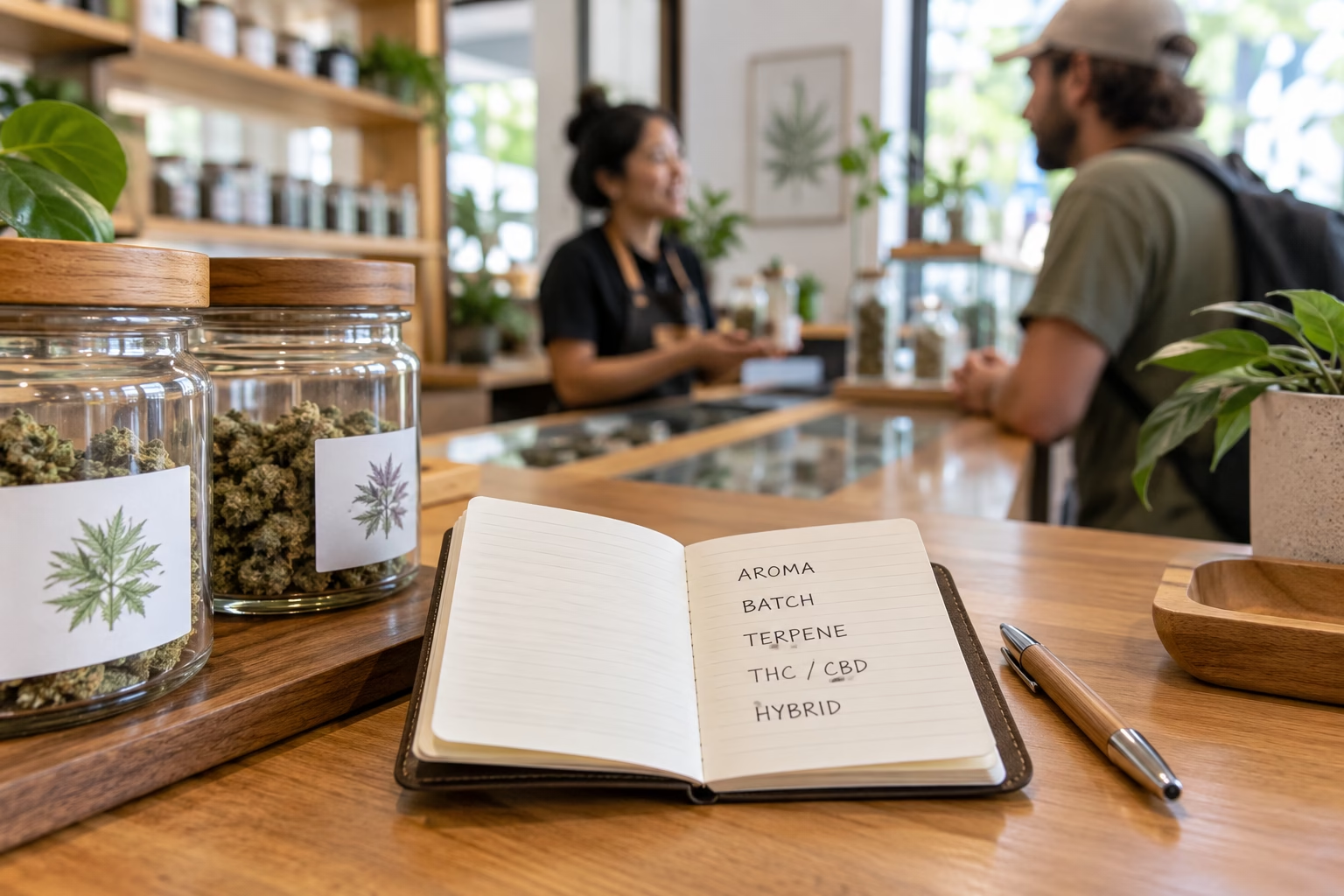
Thailand’s cannabis sector operates under a regulated framework that requires licensed dispensaries to follow testing and documentation standards. Many establishments provide cannabinoid profile details that may reference minor cannabinoids such as CBG, CBN, and CBC in addition to THC and CBD percentages.
Understanding these terms helps visitors interpret the technical information presented on product menus or certificates of analysis. Licensed locations, including Haze Buds in Chiang Mai, frequently share educational materials to explain the different compounds found in cannabis plants and products.
This knowledge supports a clearer appreciation of the natural chemical diversity within the plant, without implying any specific outcomes or recommendations.
Conclusion
CBG, CBN, and CBC represent three minor cannabinoids that occur naturally in cannabis through distinct biosynthetic or degradation pathways. CBG acts as a precursor molecule, CBN forms mainly through the breakdown of THC, and CBC develops along a separate branch from the same early precursor.
For anyone exploring product information at licensed dispensaries in Thailand, recognizing these names provides useful context about what appears in lab reports and strain descriptions. Educational resources available through reputable operators help make this information more accessible to both first-time visitors and experienced enthusiasts.
Further reading on related topics can deepen your understanding of cannabis plant chemistry and Thailand’s regulatory environment.
FAQ Section
What is CBG and how does it form in cannabis? CBG, or cannabigerol, is a minor cannabinoid that serves as a chemical precursor. It derives from cannabigerolic acid (CBGA), which the plant converts into other cannabinoid acids as it grows and matures.
How is CBN different from THC in terms of formation? CBN, or cannabinol, is not produced directly in significant amounts by the living plant. It results from the oxidation and natural degradation of THC when cannabis is exposed to air, light, heat, or prolonged storage.
Do all cannabis products contain CBG, CBN, and CBC? No. The amounts of these minor cannabinoids vary considerably depending on the plant variety, growing conditions, harvest stage, and storage. Some products may list them on lab reports, while others focus primarily on THC and CBD content.
Why do licensed dispensaries in Thailand mention minor cannabinoids on product information? Licensed dispensaries operate under regulatory requirements that include testing and documentation. Including profiles of various cannabinoids, including minor ones, provides transparency about the chemical composition of the products they offer.
Where can visitors in Chiang Mai learn more about cannabinoid profiles? Many licensed dispensaries maintain educational materials and trained staff who can explain the different compounds listed in product documentation. Haze Buds locations in Chiang Mai are examples of establishments that provide such resources alongside their product selections.
Suggested Internal Links
CBD and THC: Understanding The Difference For The Cannabis New Smokers
A Beginner’s Guide to Understanding Cannabis
What is CBD? Benefits and How to Choose Products for Beginners
Terpene Tasting 101: How to Choose the Right Strains Like a Pro at a Dispensary in Thailand
Thailand Cannabis Laws 2026 Update: Complete Guide for Foreign Tourists